Personalized Outbound Strategy
Get The Right Outbound Strategy In Minutes
Enter your email to get a custom plan & stack recommendation for your business
It's being carefully crafted by AI
Please check your mailbox in 5 minutes
%20Redacto%20logo_New.png)



Banks, NBFCs, and fintech companies handle some of the most sensitive personal data in India.
That makes DPDPA compliance not optional, but operationally critical.
The problem? Most compliance processes today are still manual, fragmented, or dependent on consultants.
That doesn’t scale.
AI-powered DPDPA platforms are changing how BFSI teams manage consent, risk, and audits, without adding more overhead.
In this guide, we’ll break down:
If you’re in BFSI, you’re not just choosing software.
You’re choosing how your organization handles risk, audits, and data governance at scale.
Pricing Disclaimer: All pricing mentioned here is indicative and based on market research, public information, and enterprise benchmarks for 2026. These are not fixed vendor quotes, and actual pricing may vary depending on scope, modules, deployment, and support needs.
Before comparing tools, here’s why most BFSI teams move away from manual compliance.
BFSI companies manage:
Under DPDPA, all of this becomes a compliance responsibility.
Most teams still rely on:
This creates gaps.
And gaps lead to:
Modern platforms automate:
Instead of reacting, teams stay continuously compliant.
👉 If a tool misses even one of these, teams end up doing manual work again.
What Happens If You Don't Comply with DPDPA Requirements
Before choosing a tool, it helps to understand where most failures happen.
Consent must be explicit, traceable, and revocable.
Most BFSI systems were never designed for this level of tracking.
Banks and NBFCs rely heavily on:
Each vendor becomes a compliance risk.
DPDPA puts strict controls on where data can be stored or processed.
Without visibility, violations are easy.
Audits require:
Manual systems struggle to produce these on time.
Not all privacy tools are built for BFSI complexity.
Here’s what actually matters.
Track:
Handle requests like:
Without manual effort.
Automate risk assessments for:
Continuously monitor third-party compliance.
Third-Party Risk Management Framework: A Step-by-Step Implementation Guide
Know:
Track data movement across jurisdictions.
Generate compliance reports instantly.
👉 If a tool misses even one of these, BFSI teams end up filling gaps manually.
Below are the platforms most commonly evaluated by BFSI teams.
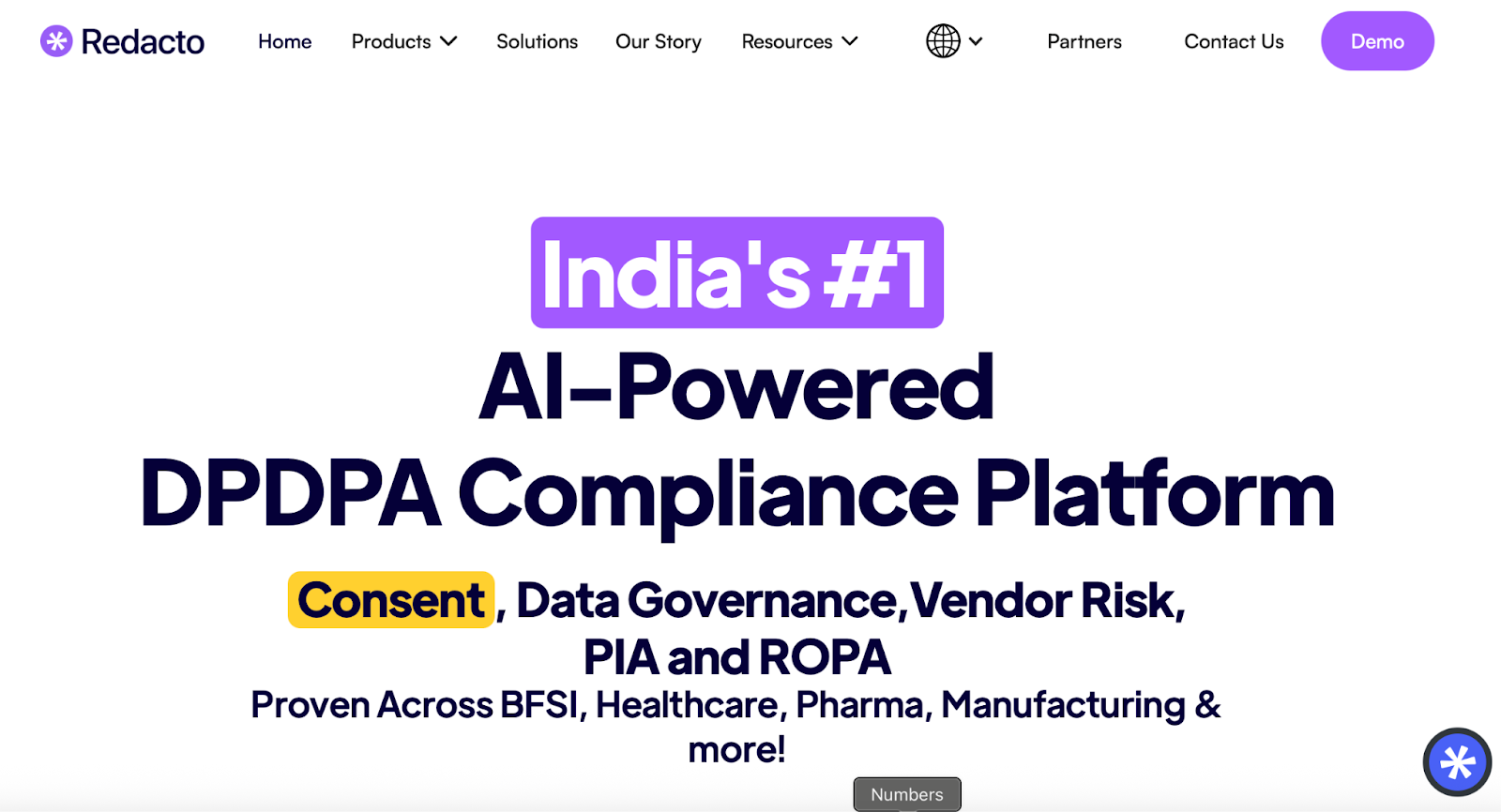
Redacto is an AI-powered compliance platform designed around DPDPA workflows.
It focuses on bringing multiple compliance functions into a single system, rather than treating them as separate modules.
Why responsible AI governance starts with data privacy
BFSI organizations often deal with interconnected systems and high audit pressure.
A platform that combines governance, risk, and compliance workflows can reduce dependency on multiple tools.
Redacto is typically considered in scenarios where:
Starts around ₹35L annually, depending on scope.
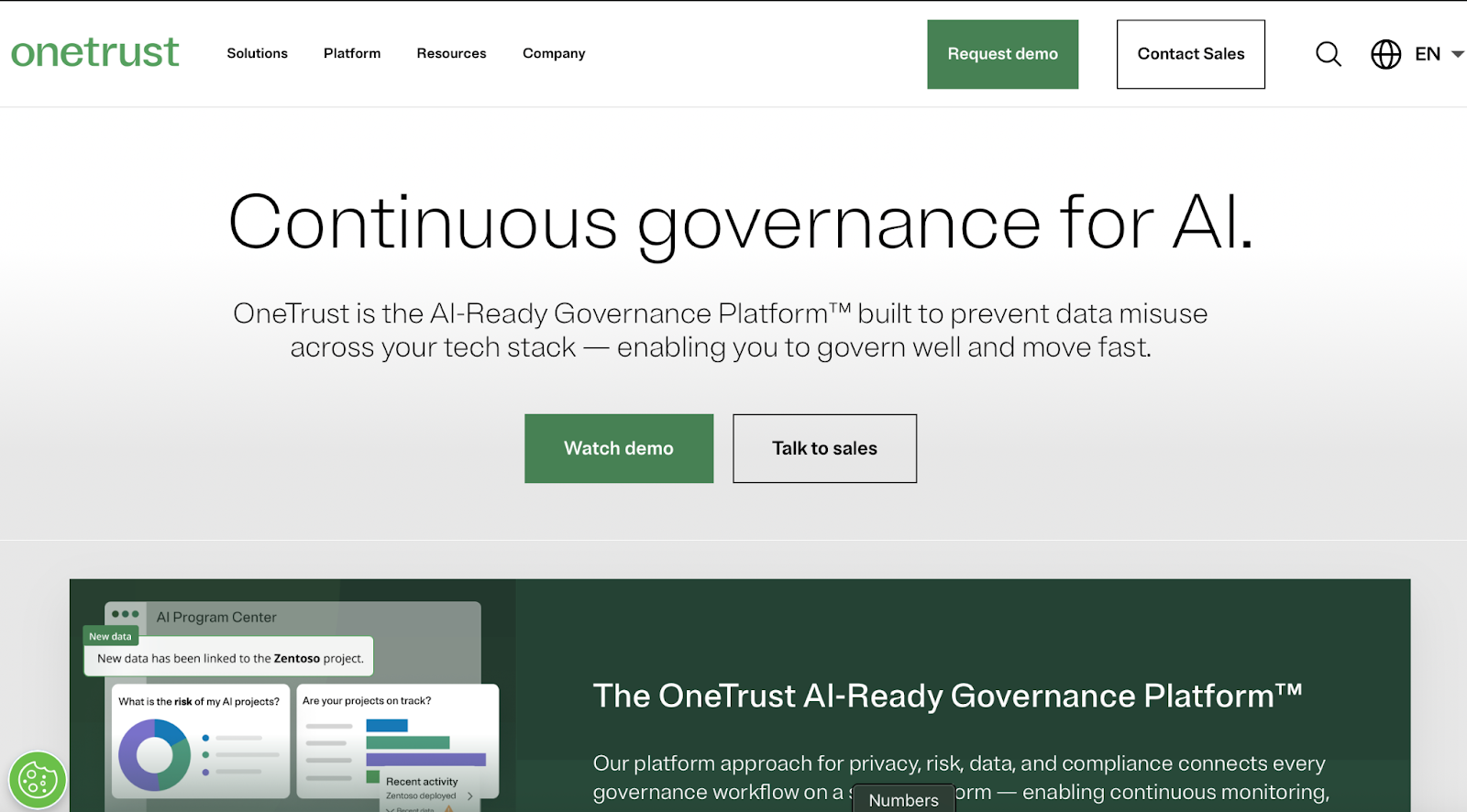
OneTrust is one of the most established privacy platforms globally.
It offers a wide range of governance and compliance modules, covering multiple regulations beyond DPDPA.
Large banks and financial institutions with global operations often consider OneTrust because of its maturity and broad regulatory coverage.
Typically starts around ₹80L+ annually.
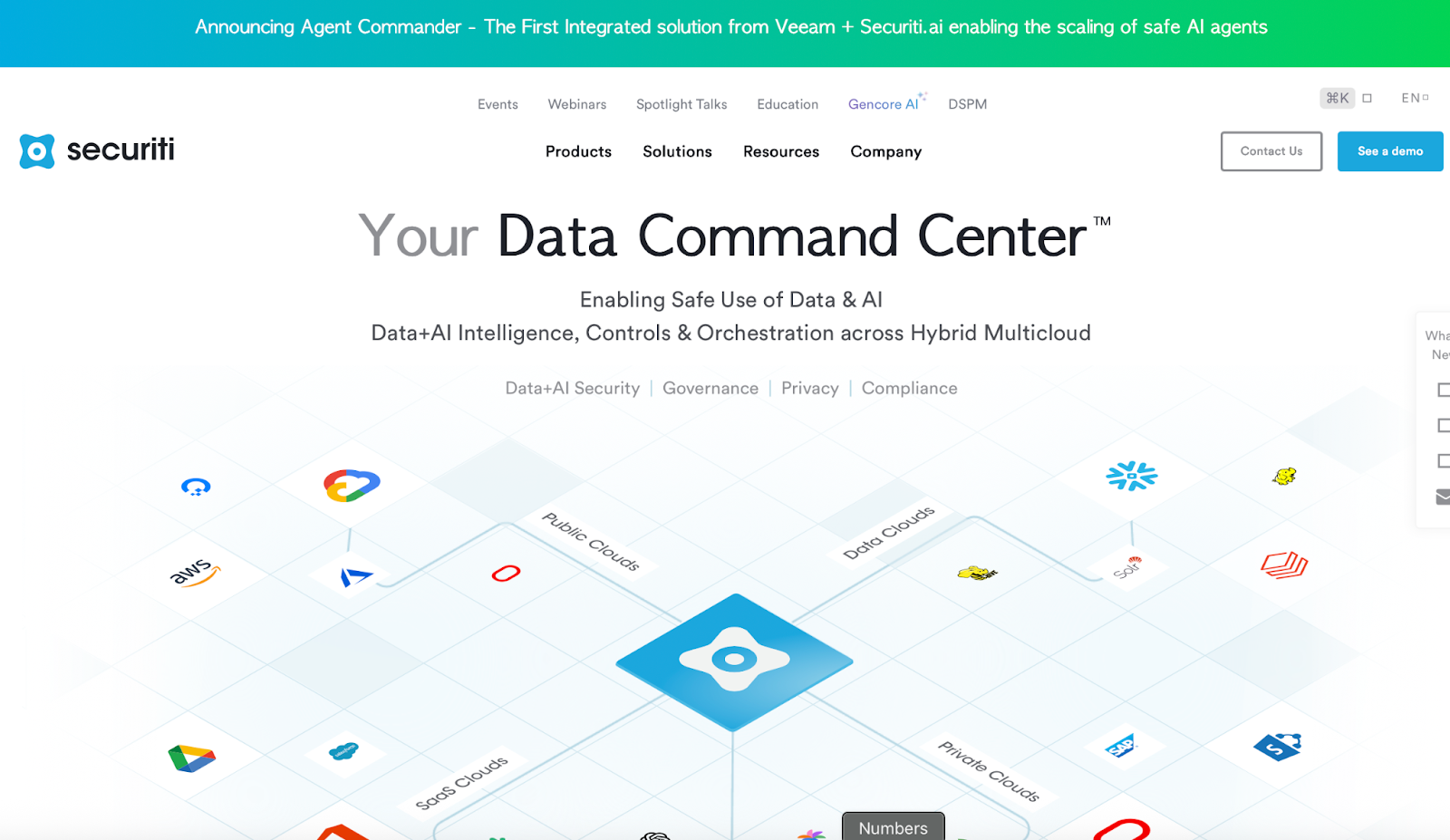
Securiti positions itself as an AI-driven data governance and compliance platform.
It focuses heavily on data intelligence and automation.
Organizations with large, distributed data environments often look at Securiti for its ability to map and manage data across systems.
Typically starts around ₹75L+ annually.
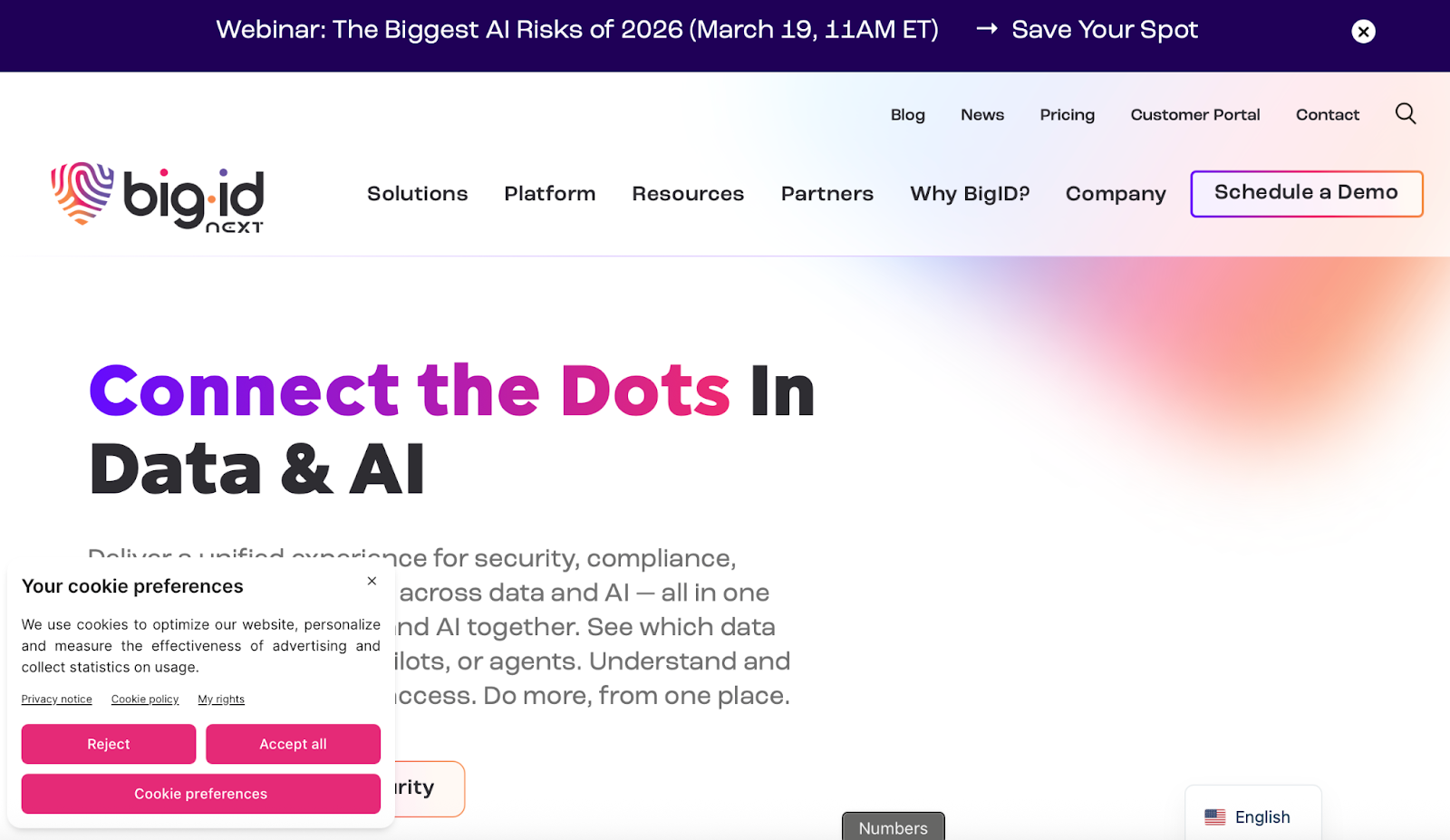
BigID is primarily known for its strength in data discovery and intelligence.
Unlike full-stack compliance platforms, its core focus is on understanding and classifying data.
Organizations dealing with large volumes of data often use BigID to build visibility before implementing full compliance workflows.
Can exceed ₹1Cr annually depending on deployment scale.
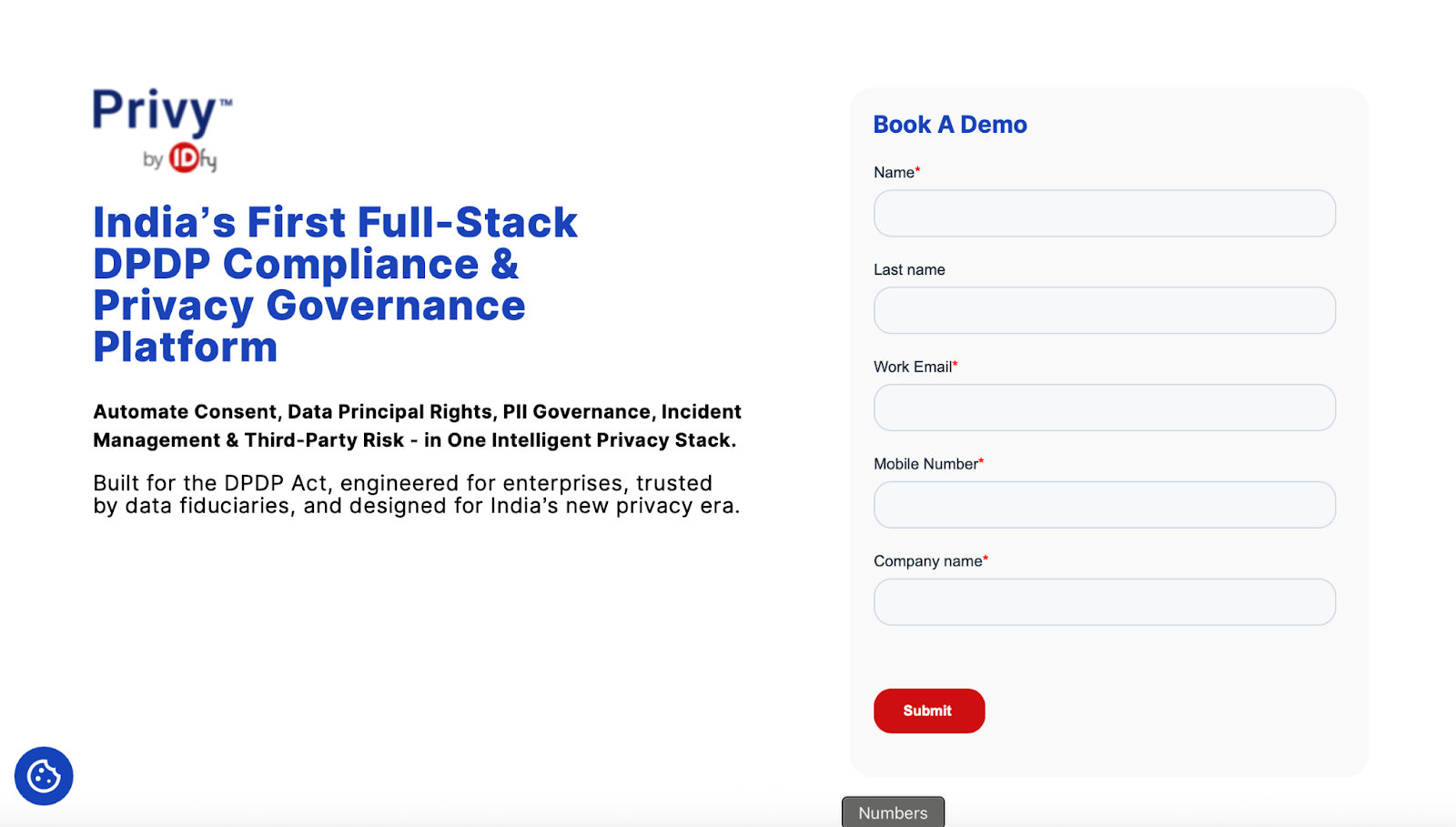
IDfy’s Privy platform is designed for Indian enterprises, with a focus on compliance and risk management.
Given its India-first positioning, IDfy is often evaluated by BFSI organizations looking for local compliance alignment.
Starts around ₹35L+ annually.
DPDPA platforms don’t usually publish exact pricing.
But here’s what most BFSI teams end up paying:
👉 The biggest cost driver is usually implementation, not the software itself.
This is where most teams get stuck.
Here’s a simple way to decide.
Look at platforms like Redacto or OneTrust.
BigID is a strong option.
Redacto or IDfy are better aligned.
Securiti or OneTrust may fit.
👉 The right choice depends less on features, and more on your compliance maturity.
Enter your email to get a custom plan & stack recommendation for your business
Please check your mailbox in 5 minutes

Choosing a DPDPA platform is really about how your team handles risk every day.
In this guide, we saw how BFSI teams deal with consent gaps, vendor risk, and audit pressure, and how different platforms solve these problems.
But if your goal is faster rollout with India-first compliance, platforms like Redacto or IDfy are often easier to implement.
If you want to see how this works in a real BFSI setup, you can explore a quick Redacto demo and evaluate it against your workflows.