Table of contents

10 Best Data Privacy Management Platforms for Enterprises in India

By
AK
Last Updated on:
May 21, 2026

If you are searching for the best data privacy management platforms in India, chances are your biggest challenge is no longer writing privacy policies.

It is managing compliance operationally across your organization.

Many enterprises already use GDPR tools, but DPDPA compliance often needs India-specific workflows for:

  • multilingual consent management
    โ€
  • DSAR automation
    โ€
  • vendor risk assessments
    โ€
  • audit trails
    โ€
  • breach notification workflows
    โ€
  • Significant Data Fiduciary obligations

At the same time, customer data is spread across CRMs, cloud apps, internal systems, and third-party vendors, making compliance difficult to track and even harder to prove during audits.

I recently saw this during a discussion with an enterprise compliance team.ย 

Their biggest challenge was not documentation. It was proving how consent, data requests, and vendor risks were actually being managed across systems.

With DPDPA penalties reaching up to โ‚น250 crore, enterprises can no longer depend on spreadsheets and manual workflows.

This is why enterprises are now evaluating dedicated data privacy management platforms.

In this guide, you will find the best platforms for:

  • consent management
    โ€
  • DSAR automation
    โ€
  • vendor risk management
    โ€
  • DPIA workflows
    โ€
  • audit readiness

including India-native DPDPA platforms, AI PrivacyOps tools, and global enterprise privacy governance suites.

TL;DR

  • Redacto is best for enterprises that want an India-first DPDPA platform with consent, DSAR, vendor risk, DPIA, and governance workflows in one place.
    โ€
  • Seqrite is best for organizations that want privacy compliance and cybersecurity managed together.
    โ€
  • Privy by IDfy is best for regulated industries needing strong DPDPA governance, audit readiness, and consent management.
    โ€
  • OneTrust is best for large enterprises managing global privacy, AI governance, and multi-region compliance workflows.
    โ€
  • Securiti is best for AI data discovery, DSPM, privacy automation, and multicloud governance.
    โ€
  • Consentin is best for businesses wanting faster DPDPA rollout with multilingual consent workflows and simpler deployment.
    โ€
  • BigID is best for enterprise-scale data discovery, AI governance, and unstructured data intelligence.
    โ€
  • TrustArc is best for structured privacy operations, DSAR automation, and audit-focused compliance programs.
    โ€
  • IBM Guardium is best for real-time database monitoring, threat detection, and compliance visibility.
    โ€
  • PrivacyEngine is best for organizations needing DPDP workflows, privacy training, risk management, and governance tracking.

โ€

How We Evaluated These Data Privacy Management Platforms

To make this list genuinely useful for enterprise teams in India, the evaluation focused on the practical problems most organizations are dealing with while preparing for DPDPA compliance.

  • DPDPA readiness mattered heavily because you need more than generic GDPR workflows for consent, audit trails, DSARs, and breach reporting in India.
    โ€
  • Enterprise scalability was important since privacy operations become much harder when your data is spread across teams, cloud apps, vendors, and internal systems.
    โ€
  • India-specific workflows were prioritized because multilingual consent handling and local compliance expectations are becoming critical for large enterprises.
    โ€
  • Consent management capabilities were reviewed closely to see how well platforms handle consent collection, withdrawal, preference tracking, and recordkeeping.
    โ€
  • DSAR automation was evaluated based on how much manual work your legal, compliance, and IT teams can actually reduce.
    โ€
  • Vendor risk workflows were considered because third-party compliance is becoming one of the biggest operational risks under DPDPA.
    โ€
  • AI automation was reviewed to understand whether the platform genuinely reduces operational effort through automated discovery, classification, DPIAs, and risk analysis.
    โ€
  • Deployment flexibility mattered because many enterprises still require on-prem or private-cloud environments alongside SaaS deployments.
    โ€
  • Integrations were important since privacy tools need to connect smoothly with your CRM, HRMS, cloud infrastructure, and security stack.
    โ€
  • Pricing transparency was considered to understand whether the platform realistically fits enterprise compliance budgets in India.
    โ€
  • Enterprise adoption in India also played a role, especially across BFSI, healthcare, fintech, ecommerce, and manufacturing sectors.

โ€

10 Best Data Privacy Management Platform For Enterprises in India

Platform Best For Core Privacy Workflows Discovery / AI Depth Setup Complexity Main Advantage
Redacto India-first DPDPA operations Consent, DSAR, DPIA, vendor risk, audits Strong Lowโ€“Medium Fast India-specific privacy workflows
Seqrite Privacy + cybersecurity together Consent basics, discovery, monitoring Moderate Medium Security and privacy in one stack
Privy by IDfy BFSI and regulated sectors Consent, DSAR, DPIA, vendor risk Moderate Medium Strong DPDPA governance readiness
OneTrust Large global enterprises Consent, DSAR, DPIA, vendor risk, governance Strong High Deep multi-regulation ecosystem
Securiti Enterprise governance Privacy, security, data governance, AI governance Very Strong High Unified privacy, security, and governance
Consentin Fast DPDPA rollout Consent, DSAR, DPIA, vendor risk Moderate Low Quick multilingual consent deployment
BigID Enterprise data intelligence Discovery, classification, DSPM, governance Very Strong High Deep discovery and classification
TrustArc Mature privacy programs Consent, DSAR, DPIA, vendor risk, audits Moderate Mediumโ€“High Structured privacy operations
IBM Guardium Security-first compliance monitoring Database monitoring, audit visibility, security controls Strong High Real-time database monitoring
PrivacyEngine DPDP operations + training DSAR, DPIA, vendor risk, training, audits Moderate Medium Privacy program training and governance

1. Redacto โ€” Best India-First Data Privacy Management Platform for DPDPA Compliance

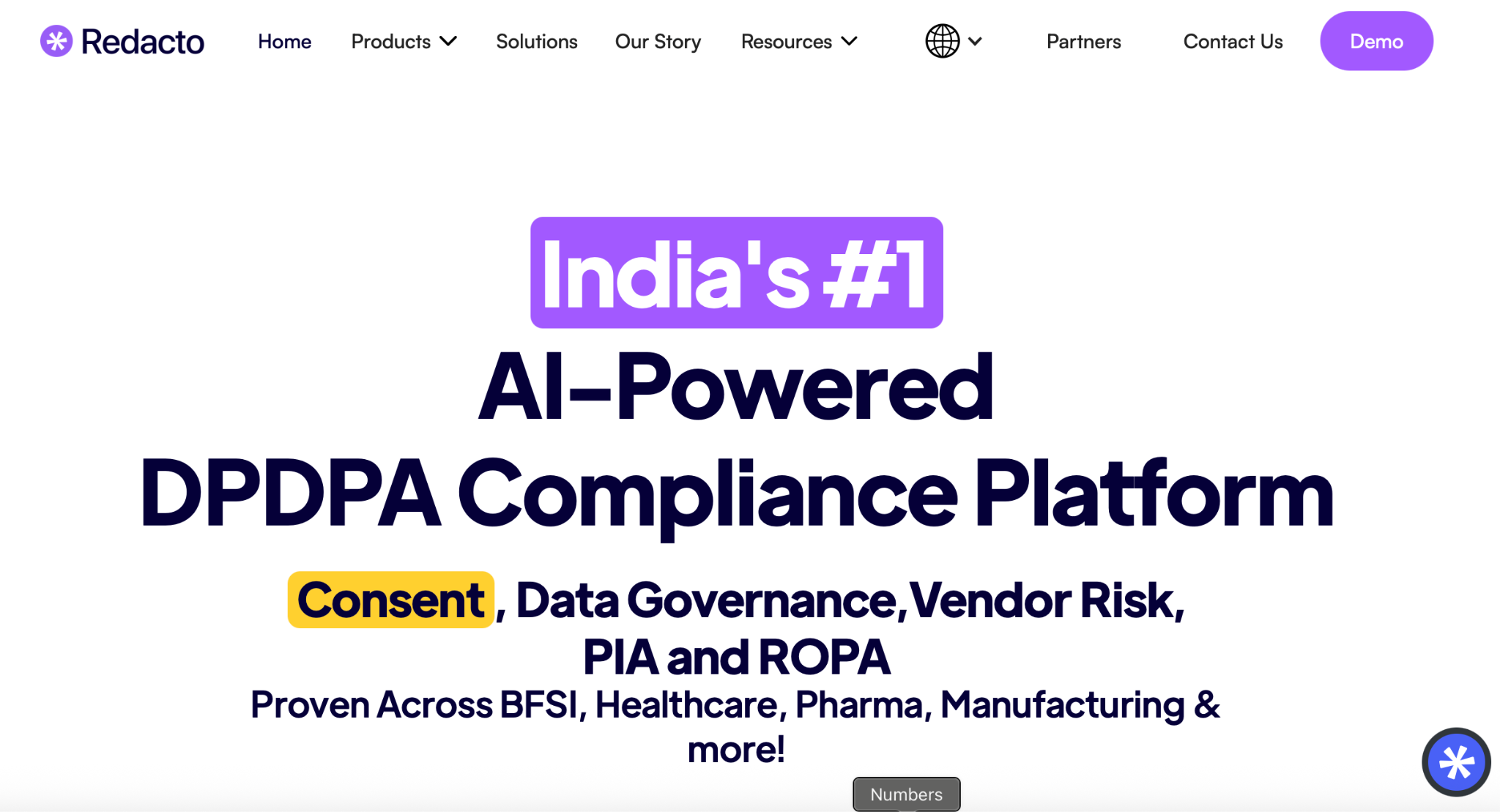
Redacto Homepageโ€
This image shows the Redacto Homepage

Redacto is an India-first AI-powered data privacy and governance platform built specifically for enterprises preparing for DPDPA compliance at scale.

What makes Redacto stand out is that the platform focuses heavily on operational privacy workflows instead of just policy management.ย 

Many enterprises already have legal documentation in place, but struggle with actually managing consent records, vendor assessments, DSARs, breach workflows, and audit readiness across systems.ย 

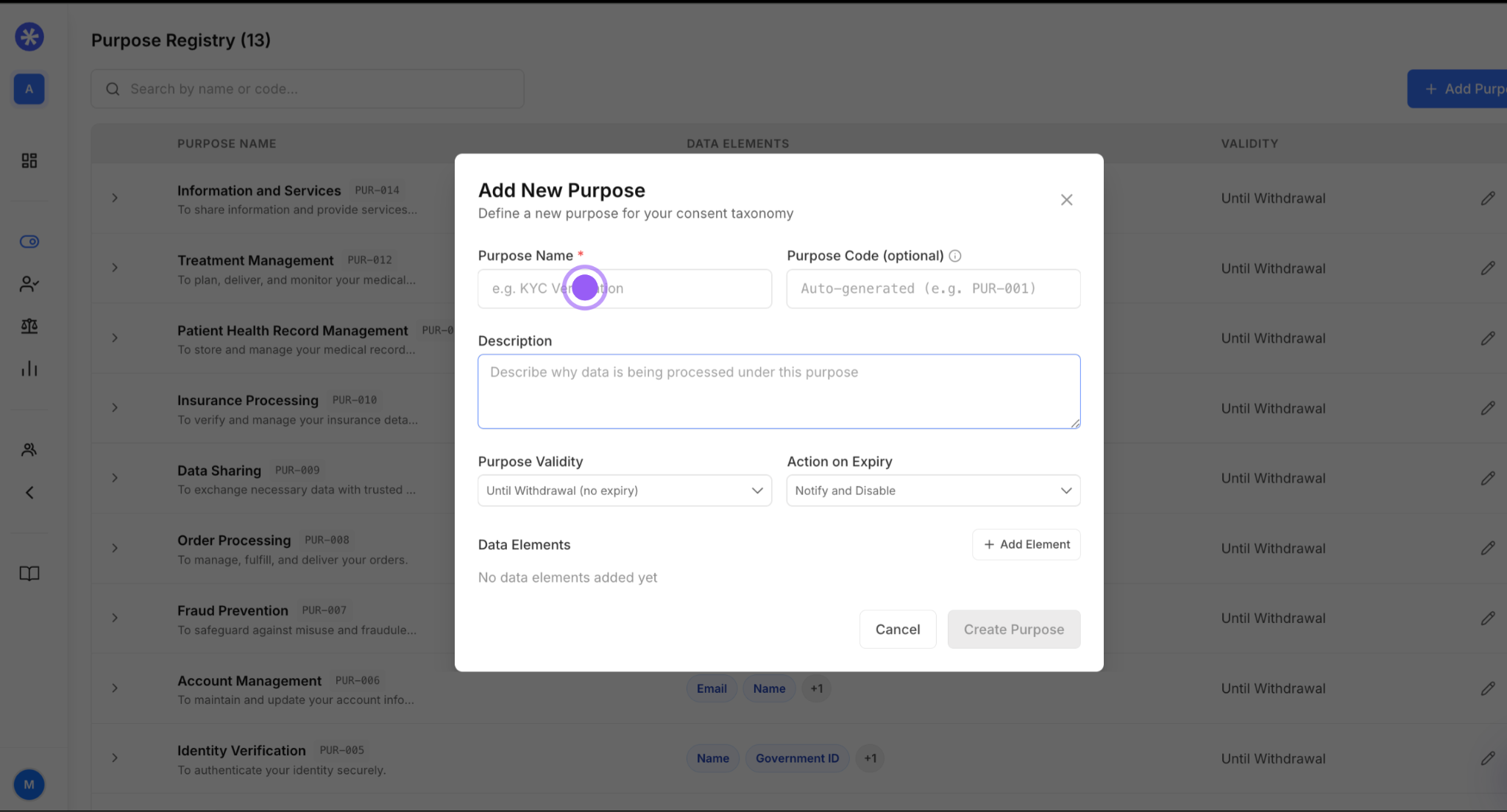
Consent management in Redacto
This image shows the Consent management in Redacto

Redacto is designed to solve those operational gaps.

The platform combines:

  • Consent management
    โ€
  • Data discovery & mapping
    โ€
  • Vendor risk management
    โ€
  • DPIA/PIA automation
    โ€
  • DSAR workflows
    โ€
  • breach notification management
    โ€
  • governance reporting

inside one unified platform.

Redacto also supports multilingual consent workflows and offers 7000+ integrations/plugins, which can significantly reduce deployment effort for enterprises dealing with fragmented systems.

One area where the platform feels particularly strong is vendor risk automation.ย 

According to the company, enterprises have reduced vendor assessment timelines from days or weeks to minutes using AI-assisted workflows.

Key Features

  • AI DPDPA compliance workflows
    โ€
  • Unified consent management with multilingual support
    โ€
  • Automated DSAR management
    โ€
  • Vendor risk assessments and remediation workflows
    โ€
  • Privacy Impact Assessment (PIA/DPIA) automation
    โ€
  • Data discovery and mapping
    โ€
  • Real-time breach notification dashboards
    โ€
  • SaaS, private-cloud, and on-prem deployment support
    โ€
  • 7000+ consent integrations/plugins

Best For

  • BFSI
    โ€
  • healthcare
    โ€
  • pharma
    โ€
  • ecommerce
    โ€
  • manufacturing
    โ€
  • enterprises looking for India-specific DPDPA workflows with faster deployment

Pros

  • Built specifically around Indian privacy compliance workflows
    โ€
  • Strong focus on operational usability instead of only governance documentation
    โ€
  • Flexible deployment options for regulated industries
    โ€
  • Faster implementation compared to many global privacy suites that often require heavy customization for DPDPA workflows

Cons

  • Compared to global incumbents like OneTrust or TrustArc, Redacto is still a newer platform in the enterprise privacy market, so some multinational enterprises may still evaluate larger global ecosystems alongside it.

โ€

2. Seqrite โ€” Best for Enterprises Looking for Combined Privacy + Cybersecurity Management

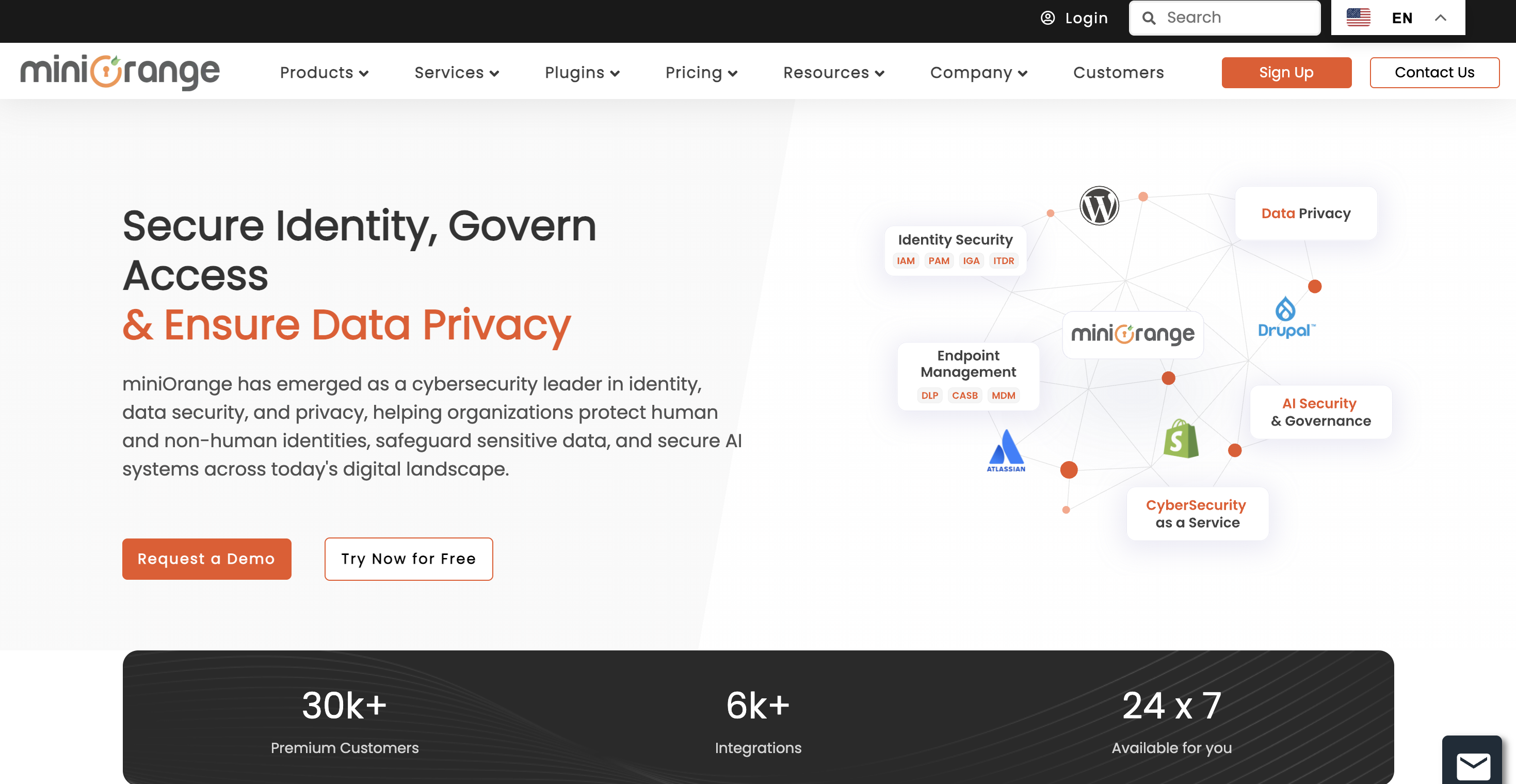
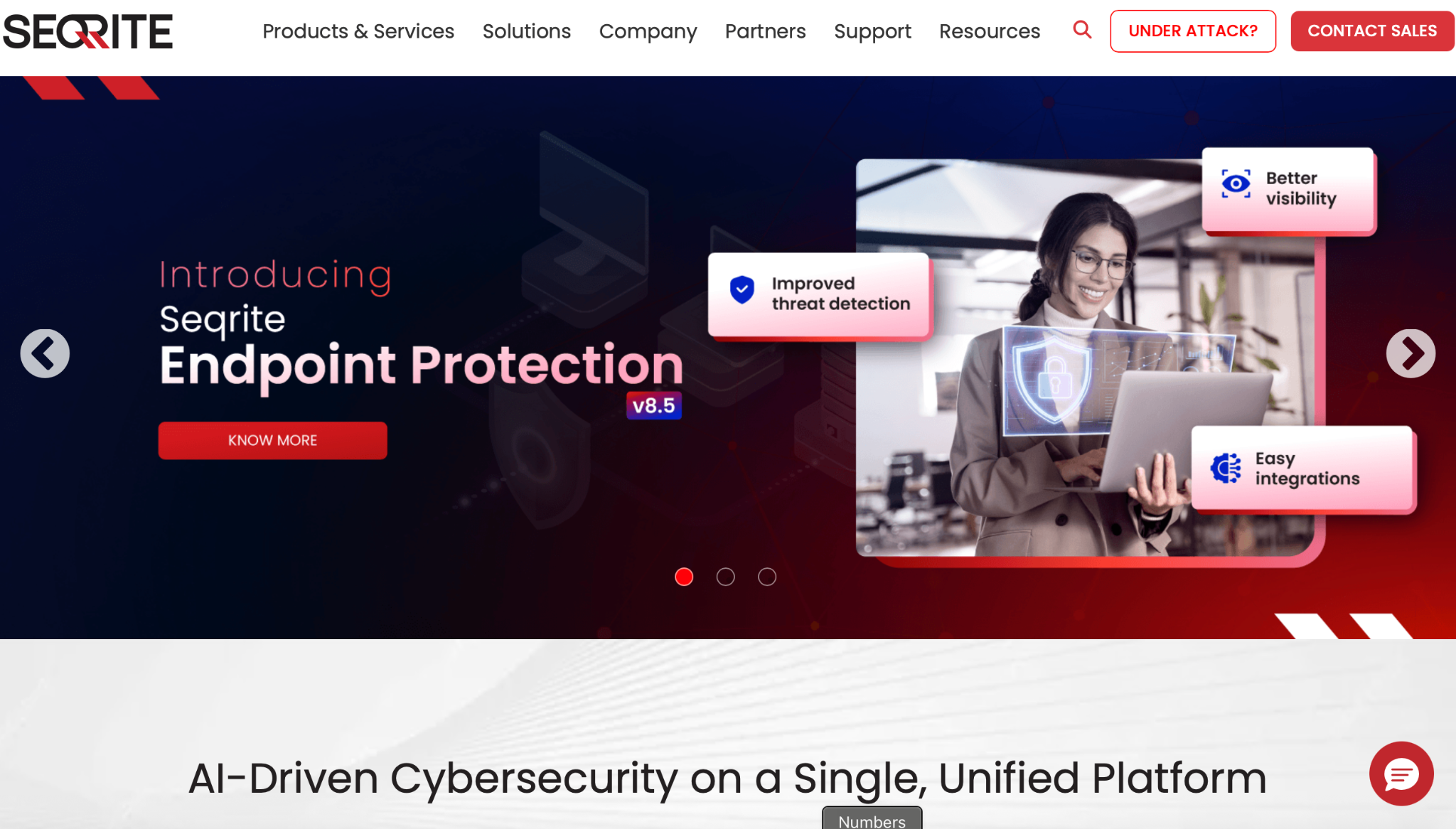
Seqrite Homepage
This image shows the Seqrite Homepage

Seqrite is primarily known as an enterprise cybersecurity platform, but its growing data privacy and DPDP compliance capabilities make it one of the stronger India-native options for enterprises that want privacy and security managed together.

What makes Seqrite different from many traditional privacy platforms is its broader security-first approach.ย 

Instead of focusing only on consent and governance workflows, the platform combines:

  • data privacy
    โ€
  • endpoint security
    โ€
  • DLP
    โ€
  • discovery & classification
    โ€
  • governance
    โ€
  • monitoring
    โ€
  • threat detection

inside a unified platform.

This makes Seqrite particularly useful for enterprises where privacy, cybersecurity, and compliance teams work closely together.

The platform supports:

  • data discovery & classification
    โ€
  • consent governance
    โ€
  • policy management
    โ€
  • dashboards & reporting
    โ€
  • alerting & investigations
    โ€
  • AIsecurity operations
    โ€
  • cloud and on-prem deployments

Seqrite also positions itself strongly around AI-powered automation through its GenAI security analyst called SIA, which helps reduce operational complexity for enterprise security teams.

Key Features

  • Data discovery and classification
    โ€
  • Consent and governance management
    โ€
  • Endpoint protection and DLP
    โ€
  • AI monitoring and investigations
    โ€
  • Centralized dashboards and reporting
    โ€
  • Cloud, hybrid, and on-prem deployment support
    โ€
  • Policy and posture management
    โ€
  • Threat intelligence and MDR services

Best For

  • BFSI
    โ€
  • healthcare
    โ€
  • manufacturing
    โ€
  • enterprises wanting combined cybersecurity and privacy operations
    โ€
  • organizations already managing large endpoint environments

Pros

  • Easy centralized management across endpoints and security operations
    โ€
  • Lightweight deployment with minimal system performance impact according to users
    โ€
  • Strong visibility features for monitoring systems and cloud activity
    โ€
  • Affordable compared to many global enterprise security suites
    โ€
  • Good customer support experience highlighted in multiple reviews
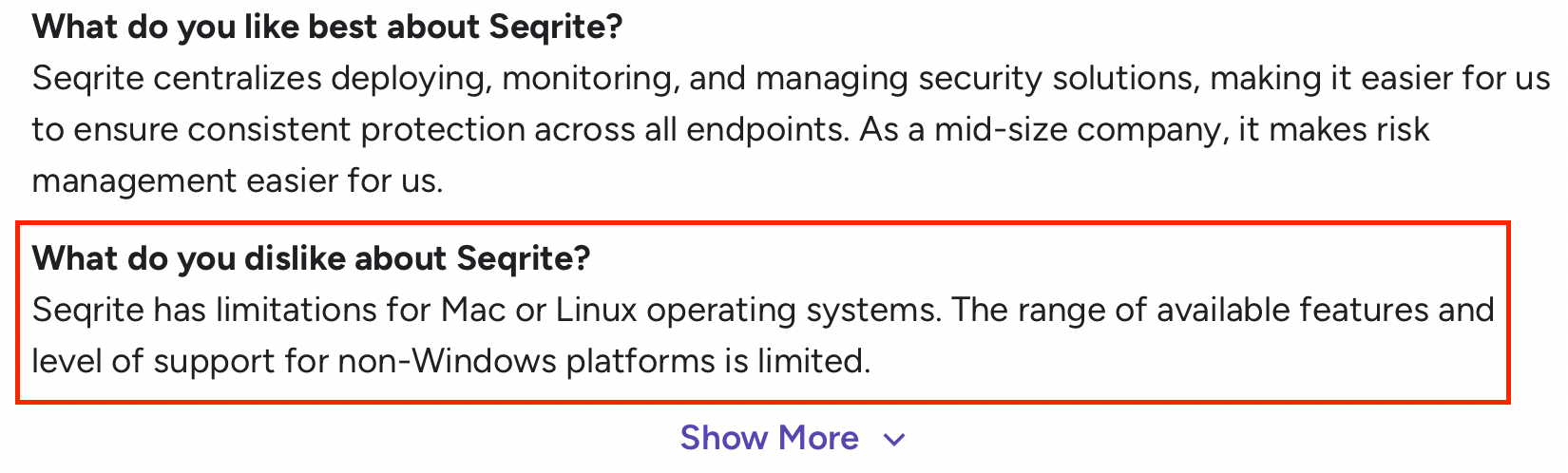
G2 review noting Seqriteโ€™s limited support and features for Mac and Linux systems.
This image shows the G2 review noting Seqriteโ€™s limited support and features for Mac and Linux systems.

Cons

  • Some users reported limited feature depth for Mac and Linux environments
    โ€
  • Privacy governance workflows may feel less specialized compared to dedicated PrivacyOps platforms
    โ€
  • Enterprises needing highly advanced consent governance may still evaluate more privacy-focused platforms alongside Seqrite

โ€

3. Privy by IDfy โ€” Best for BFSI and Regulated Enterprises Preparing for DPDPA

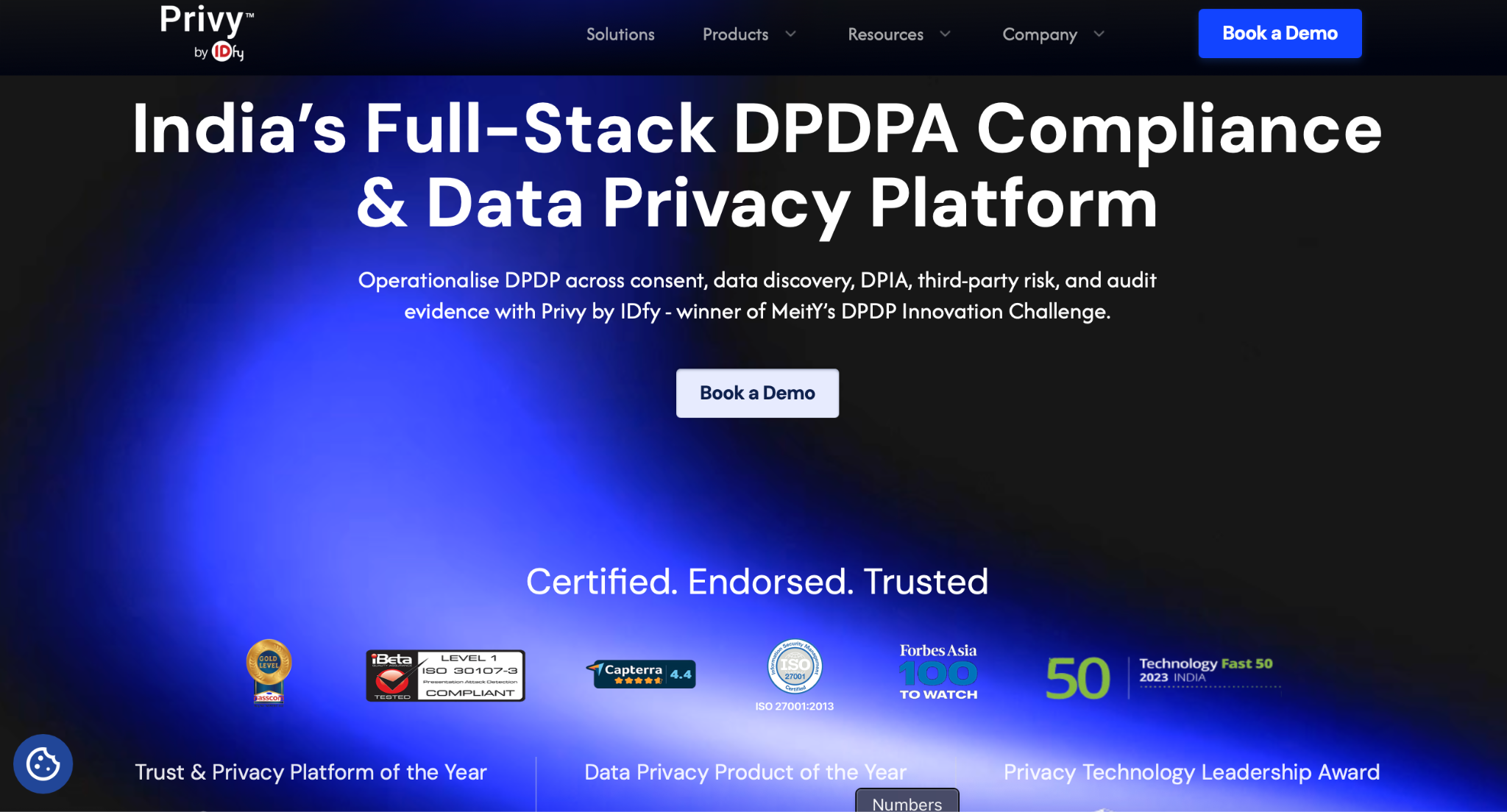
Privy by IDfy Homepage
This image shows the Privy by IDfy Homepage

Privy by IDfy is one of the most DPDPA-focused privacy management platforms currently available for Indian enterprises.

Unlike many global privacy tools that later adapted to DPDPA, Privy was built specifically around Indiaโ€™s evolving privacy and consent ecosystem.ย 

The platform focuses heavily on helping enterprises operationalize privacy workflows across:

  • consent governance
    โ€
  • data discovery
    โ€
  • DSAR management
    โ€
  • DPIA workflows
    โ€
  • third-party risk
    โ€
  • audit readiness

One thing that stands out immediately is Privyโ€™s strong alignment with Indiaโ€™s regulatory ecosystem.ย 

The platform was the winner of MeitYโ€™s DPDP Innovation Challenge and positions itself heavily around India-specific compliance implementation.

Privy also benefits from IDfyโ€™s larger trust and RegTech infrastructure, which gives it a strong enterprise credibility advantage in regulated industries like BFSI, fintech, and financial services.

The platform includes:

  • multilingual consent governance
    โ€
  • cookie management
    โ€
  • automated data rights workflows
    โ€
  • AI-powered privacy monitoring through InspectAI
    โ€
  • personal data discovery & governance
    โ€
  • continuous compliance management

Privy appears particularly strong for enterprises that need privacy operations tied closely with audit evidence, governance visibility, and regulator-facing workflows.

Key Features

  • Consent lifecycle management
    โ€
  • Automated DSAR workflows
    โ€
  • AI privacy co-pilot (InspectAI)
    โ€
  • Cookie consent management
    โ€
  • Personal data discovery & governance
    โ€
  • Continuous compliance monitoring
    โ€
  • Third-party risk workflows
    โ€
  • Audit-ready privacy operations
    โ€
  • DPDPA-focused governance workflows

Best For

  • BFSI
    โ€
  • fintech
    โ€
  • insurance
    โ€
  • regulated enterprises
    โ€
  • organizations needing strong audit and governance visibility

Pros

  • Strong DPDPA-specific workflow coverage compared to many global platforms
    โ€
  • Helpful governance visibility for enterprise compliance teams
    โ€
  • Strong enterprise credibility in BFSI and fintech sectors
    โ€
  • AI-powered compliance insights through InspectAI
    โ€
  • Multiple enterprises highlighted implementation and compliance support positively
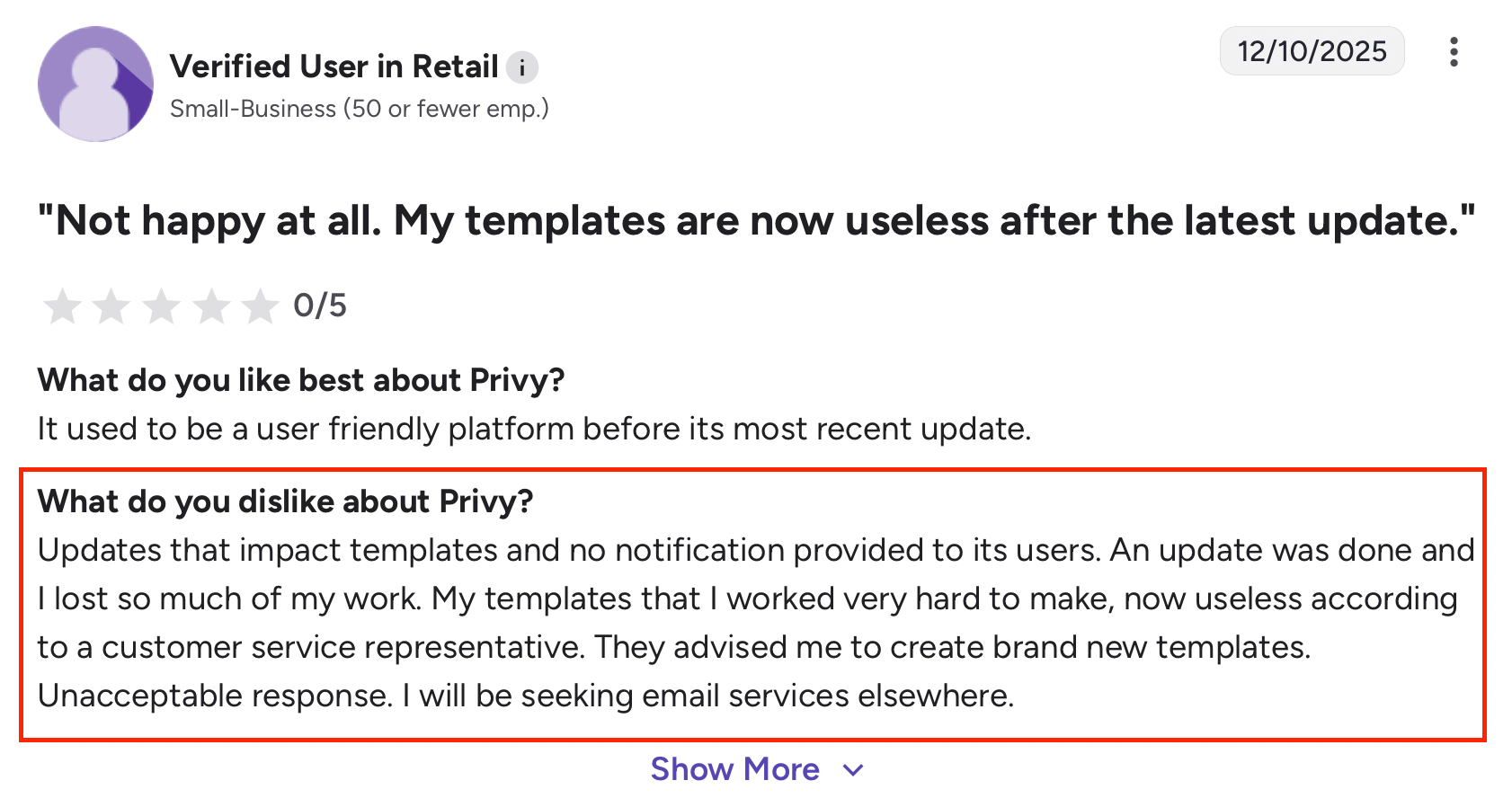
G2 review criticizing Privy updates for breaking templates without user notification.
This image shows the G2 review criticizing Privy updates for breaking templates without user notification.

Cons

  • Enterprises outside regulated sectors may find some workflows more governance-heavy than needed
    โ€
  • Some users mentioned dashboard and layout organization could improve
    โ€
  • Certain customization and template flexibility areas may require additional refinement depending on enterprise use cases
    โ€
  • Pricing may become expensive as deployment scale increases across teams and workflows

โ€

4. OneTrust โ€” Best for Large Enterprises Managing Global Privacy, Risk, and AI Governance

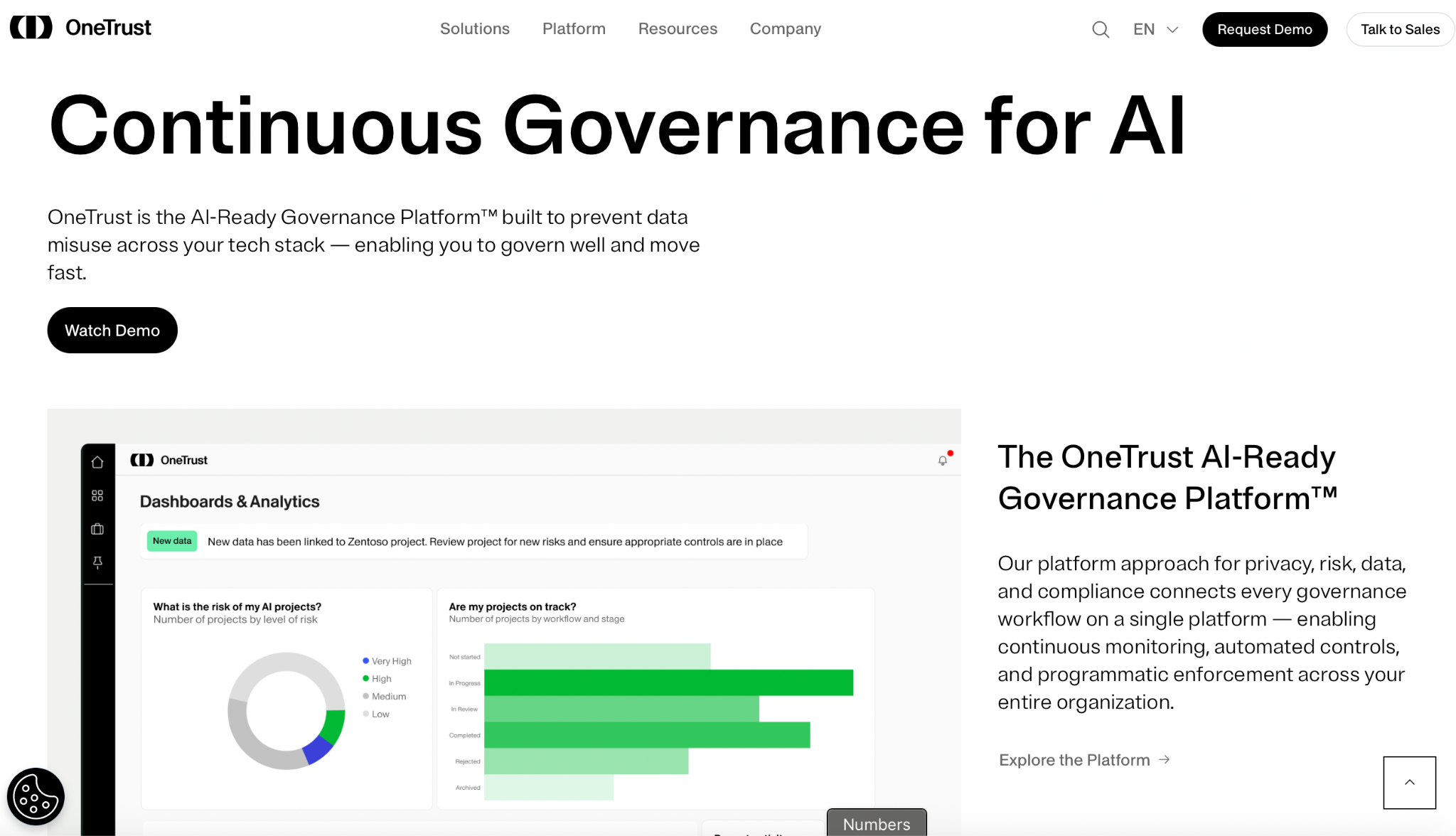
OneTrust Homepage
This image shows the OneTrust Homepage

OneTrust is one of the most mature enterprise privacy management platforms in the market.

It is built for large organizations that need to manage privacy, consent, third-party risk, data governance, AI governance, and compliance workflows from one central platform.

For Indian enterprises, OneTrust makes the most sense when you are not only preparing for DPDPA, but also managing global regulations like GDPR, CCPA, DORA, and other regional privacy laws.

The platform covers:

  • privacy automation
    โ€
  • consent and preference management
    โ€
  • DSAR workflows
    โ€
  • data mapping
    โ€
  • DPIA and RoPA
    โ€
  • third-party risk management
    โ€
  • AI governance
    โ€
  • tech risk and compliance
    โ€
  • policy enforcement

What makes OneTrust strong is its depth.ย 

You get a large privacy ecosystem with pre-built workflows, regulatory intelligence, automation templates, integrations, and reporting features.ย 

This is useful if your organization has multiple business units, regions, brands, vendors, and data systems to manage.

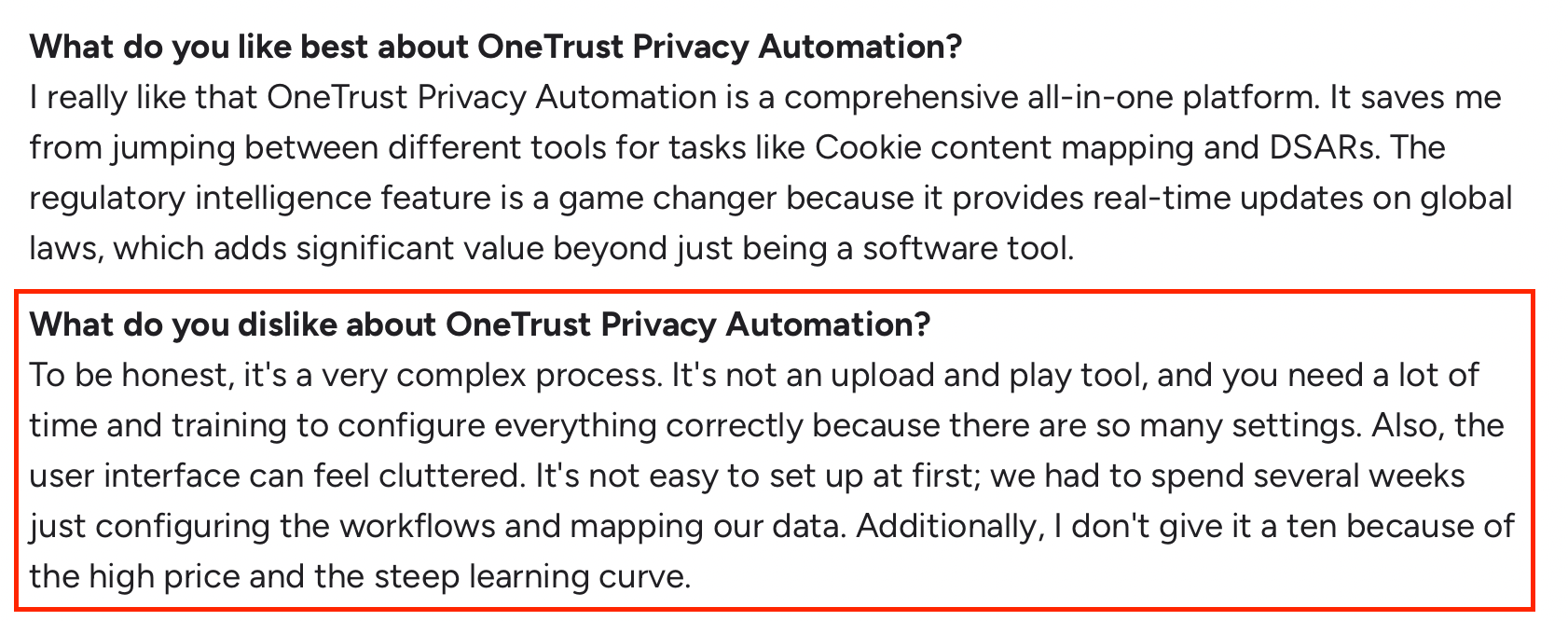
But that depth also creates complexity.ย 

OneTrust is powerful, but it is not always a quick โ€œplug-and-playโ€ tool. Teams often need proper implementation support, training, and time to configure workflows correctly.

Key Features

  • Privacy automation and workflow management
    โ€
  • Consent and preference management
    โ€
  • DSAR and rights request handling
    โ€
  • DPIA, RoPA, and data mapping
    โ€
  • Third-party risk management
    โ€
  • AI governance and data use governance
    โ€
  • Regulatory intelligence across global laws
    โ€
  • Integrations with enterprise systems
    โ€
  • Dashboards, reports, and audit evidence

Best For

  • large enterprises
    โ€
  • multinational companies
    โ€
  • privacy teams managing multiple regulations
    โ€
  • enterprises with dedicated compliance and implementation teams
    โ€
  • organizations that need privacy, AI governance, and third-party risk in one platform

Pros

  • Centralizes privacy workflows across consent, DSARs, RoPA, DPIA, and vendor risk
    โ€
  • Strong integration capabilities with common enterprise systems
    โ€
  • Pre-built templates help reduce manual compliance work
    โ€
  • Regulatory intelligence helps teams track changing privacy laws
G2 review highlighting OneTrustโ€™s complex setup, cluttered UI, and steep learning curve.
This image shows the G2 review highlighting OneTrustโ€™s complex setup, cluttered UI, and steep learning curve.

Cons

  • Can feel complex for teams new to privacy technology
    โ€
  • Setup may take weeks if workflows and data mapping are heavily customized
    โ€
  • Pricing can become expensive as you add more modules
    โ€
  • Reporting and dashboards are basic in certain areas
Top 5+ OneTrust Alternatives & Competitors for DPDPA Compliance in India (2026)

โ€

5. Securiti โ€” Best for AI-Powered Enterprise Privacy and Data Governance

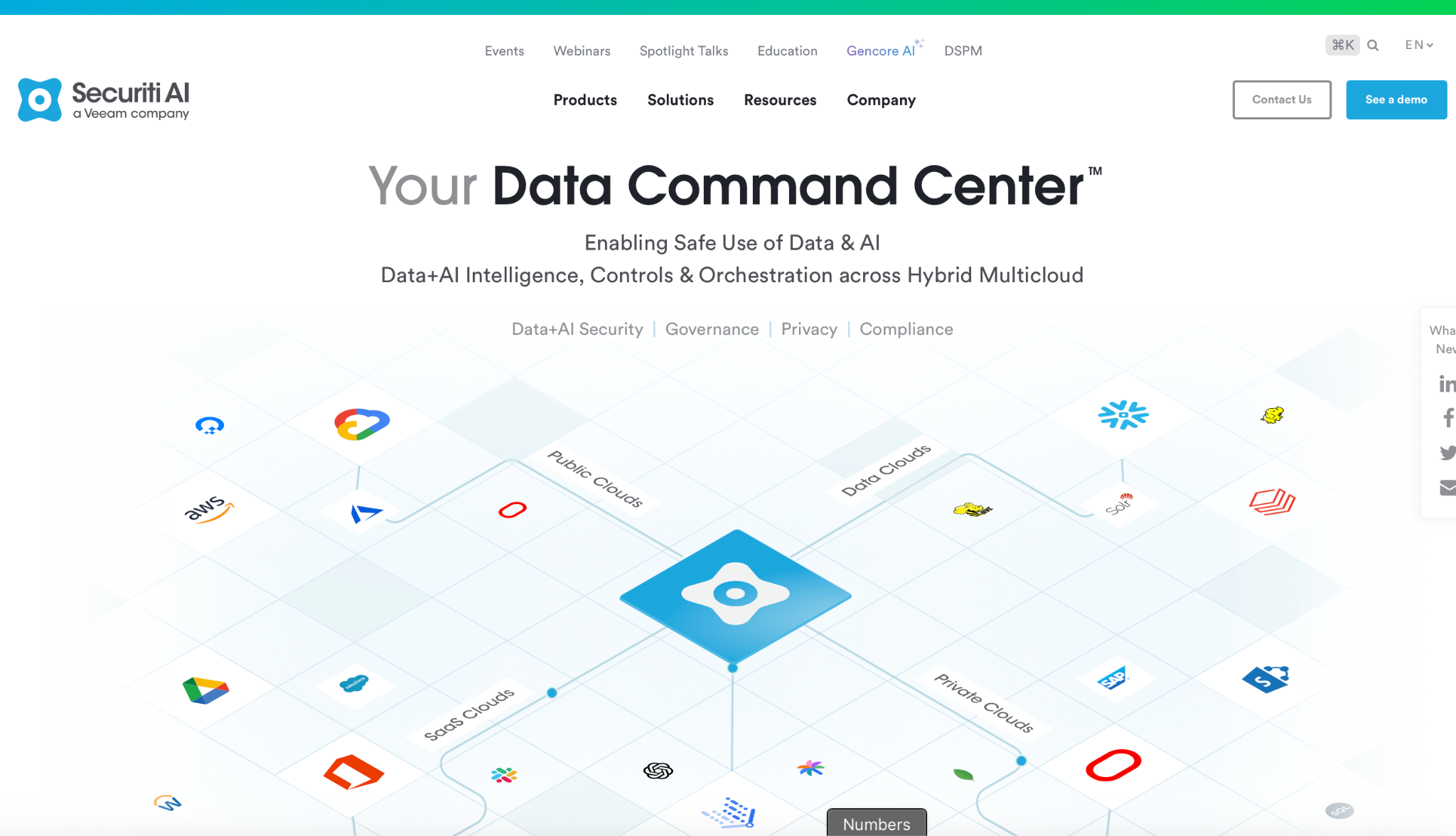
Securiti Homepage
This image shows the Securiti Homepage

Securiti is one of the strongest enterprise platforms for organizations managing privacy, security, governance, compliance, and AI risk across large hybrid environments.

What makes Securiti different from many traditional privacy tools is its broader โ€œData Command Centerโ€ approach. Instead of treating privacy, governance, and security as separate functions, the platform combines them into one unified data intelligence and orchestration layer.

The platform supports:

  • data discovery & classification
    โ€
  • consent management
    โ€
  • DSAR automation
    โ€
  • data mapping
    โ€
  • DPIA and assessment automation
    โ€
  • breach management
    โ€
  • AI governance
    โ€
  • compliance management
    โ€
  • DSPM (Data Security Posture Management)

Securiti appears particularly strong for enterprises dealing with massive multicloud environments, large SaaS ecosystems, and complex enterprise data estates.

One feature that stands out consistently is the platformโ€™s Data Command Graph, which helps organizations map relationships between data systems, users, policies, and sensitive information across environments. T

his gives privacy and security teams much better visibility into how enterprise data is actually flowing.

The platform also integrates with thousands of cloud, SaaS, and enterprise systems, making it useful for large organizations managing fragmented infrastructure.

Key Features

  • AI-powered data discovery and classification
    โ€
  • Data mapping automation and RoPA management
    โ€
  • DSAR automation
    โ€
  • Consent lifecycle management
    โ€
  • Breach and incident management
    โ€
  • AI governance and compliance workflows
    โ€
  • Third-party and assessment automation
    โ€
  • DSPM capabilities
    โ€
  • Hybrid multicloud integrations
    โ€
  • Data Command Graph for enterprise data visibility

Best For

  • large enterprises
    โ€
  • multinational organizations
    โ€
  • enterprises with hybrid or multicloud environments
    โ€
  • organizations managing AI governance alongside privacy
    โ€
  • enterprises needing large-scale data visibility and classification

Pros

  • Strong hybrid cloud and multicloud discovery capabilities
    โ€
  • Automated remediation workflows help reduce manual operational effort
    โ€
  • Excellent integrations with enterprise systems like SAP, Salesforce, Office 365, SharePoint, and ServiceNow
    โ€
  • AI cookie detection and classification capabilities
    โ€
  • Good centralized visibility across privacy, governance, and compliance workflows
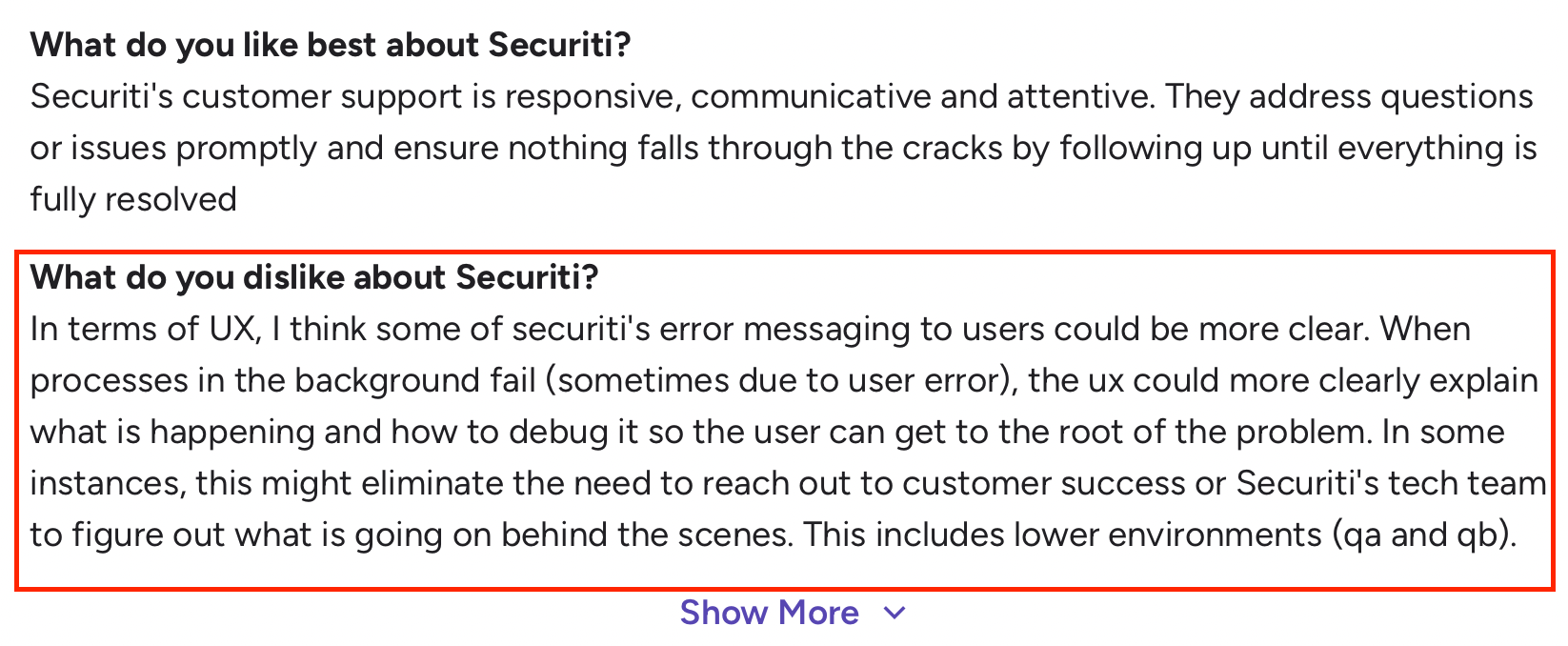
G2 review noting Securitiโ€™s unclear error messaging and UX troubleshooting challenges.
This image shows the G2 review noting Securitiโ€™s unclear error messaging and UX troubleshooting challenges.

Cons

  • UI can sometimes feel complex for large-scale deployments
    โ€
  • Some bulk configuration and onboarding workflows may still require manual setup
    โ€
  • Certain discovery and remediation configurations could be simplified further
    โ€
  • Frequent feature rollouts can sometimes make the platform feel overwhelming
    โ€
  • Enterprises may need technical expertise during large implementations
5 Best Securiti.ai Alternatives for DPDPA Compliance in Indian Enterprises

โ€

6. Consentin โ€” Best for Fast DPDPA Consent and Privacy Operations Deployment

Consentin Homepage
This image shows the Consentin Homepage

Consentin by Leegality is an India-native privacy and consent management platform built specifically for businesses implementing DPDPA compliance across customer and vendor workflows.

What makes Consentin stand out is its practical, implementation-first approach.ย 

While many enterprise privacy platforms focus heavily on governance complexity, Consentin focuses more on helping Indian businesses go live quickly with DPDP-compliant consent, privacy rights management, data discovery, and third-party risk workflows.

The platform combines:

  • consent management
    โ€
  • cookie consent
    โ€
  • privacy rights handling
    โ€
  • data discovery
    โ€
  • data mapping & lineage
    โ€
  • DPIA/PIA workflows
    โ€
  • third-party risk assessments
    โ€
  • breach notification automation

inside one platform.

One area where Consentin feels particularly strong is consent lifecycle management. The platform supports:

  • 22 Indian languages
    โ€
  • 2-click consent collection
    โ€
  • consent syncing through APIs and webhooks
    โ€
  • automated consent withdrawal workflows
    โ€
  • deletion instructions to internal and third-party systems

This makes it useful for enterprises handling large-scale customer interactions across apps, websites, CRMs, IVR systems, and partner ecosystems.

Another thing worth noting is the deployment simplicity.ย 

Consentin claims a typical go-live timeline of around two weeks, which is significantly faster than many large enterprise privacy suites that often require months of implementation work.

The platform also positions itself strongly around legal and compliance expertise, since it is built by Leegality, which already has deep roots in Indiaโ€™s compliance and digital documentation ecosystem.

Key Features

  • DPDP-compliant consent management
    โ€
  • Cookie consent management
    โ€
  • Privacy rights and consent withdrawal workflows
    โ€
  • Data discovery across structured and unstructured systems
    โ€
  • Data mapping and lineage visibility
    โ€
  • DPIA, PIA, and third-party risk assessments
    โ€
  • Automated breach notification workflows
    โ€
  • API and webhook integrations
    โ€
  • 22-language consent collection support

Best For

  • BFSI
    โ€
  • ecommerce
    โ€
  • fintech
    โ€
  • telemarketing
    โ€
  • mid-market enterprises
    โ€
  • organizations wanting faster DPDPA implementation

Pros

  • Fast implementation timelines compared to larger governance-heavy platforms
    โ€
  • Strong support for multilingual consent collection
    โ€
  • Useful API and webhook integrations for syncing consent across systems
    โ€
  • Simple flat-fee pricing structure helps reduce pricing complexity
    โ€
  • Strong focus on operational privacy workflows instead of only governance documentation

Cons

  • Large multinational enterprises may still prefer broader global governance ecosystems like OneTrust or Securiti
    โ€
  • Data discovery capabilities for SaaS deployments are more limited compared to some advanced enterprise discovery platforms
    โ€
  • Enterprises needing highly advanced AI governance or complex multicloud orchestration may require additional tooling
    โ€
  • More operationally focused than deeply analytics-heavy enterprise governance suites

โ€

7. BigID โ€” Best for Enterprise Data Discovery, Classification, and AI Data Governance

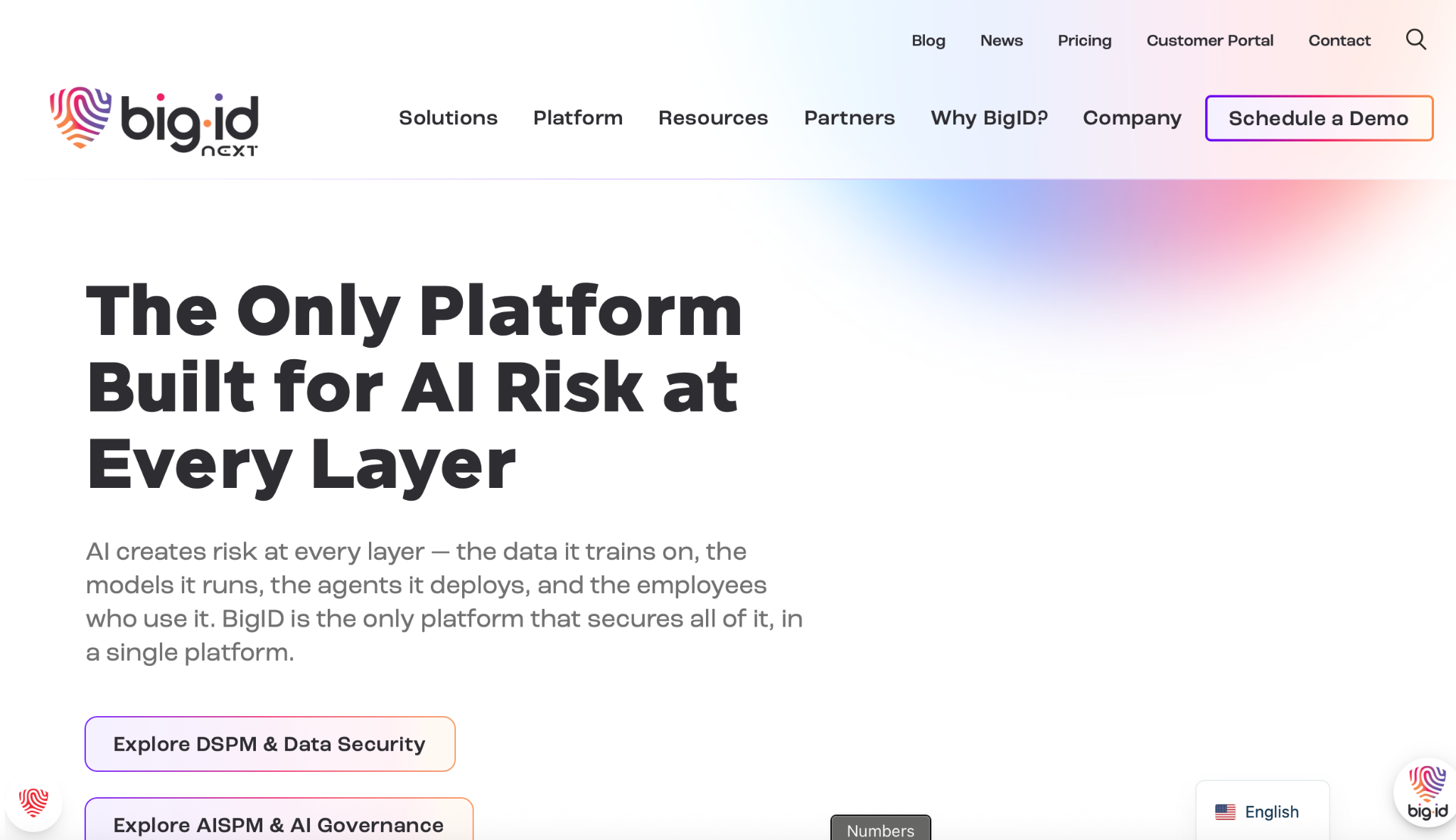
BigID Homepage
This image shows the BigID Homepage

BigID is one of the most advanced enterprise platforms for organizations that need deep visibility into sensitive data spread across cloud, SaaS, on-prem, and AI environments.

What makes BigID different from many traditional privacy platforms is its heavy focus on:

  • data discovery
    โ€
  • AI-driven classification
    โ€
  • DSPM (Data Security Posture Management)
    โ€
  • AI governance
    โ€
  • risk remediation
    โ€
  • enterprise-scale data intelligence

Instead of focusing only on consent and privacy workflows, BigID is designed to help enterprises understand exactly:

  • where sensitive data exists
    โ€
  • who has access to it
    โ€
  • how it flows across systems
    โ€
  • how it is being used in AI environments

The platform supports:

  • data discovery & classification
    โ€
  • consent and privacy management
    โ€
  • DSAR automation
    โ€
  • data minimization
    โ€
  • AI governance
    โ€
  • risk remediation
    โ€
  • cross-border data monitoring
    โ€
  • data retention & deletion
    โ€
  • vendor and compliance management

One area where BigID stands out strongly is unstructured data governance. The platform can classify and contextualize:

  • emails
    โ€
  • chats
    โ€
  • files
    โ€
  • code repositories
    โ€
  • cloud storage
    โ€
  • vector databases
    โ€
  • AI training datasets

across enterprise environments using AI-powered classification models.

BigID also positions itself heavily around AI governance and AI risk management. This includes:

  • AI security posture management
    โ€
  • shadow AI detection
    โ€
  • AI access governance
    โ€
  • AI-ready data labeling
    โ€
  • AI compliance monitoring

which is becoming increasingly important for enterprises deploying copilots, LLMs, and agentic AI systems internally.

For Indian enterprises, BigID is usually a stronger fit when the primary challenge is large-scale data visibility, AI governance, or enterprise data classification rather than only operational DPDPA workflows.

Key Features

  • AI-powered data discovery and classification
    โ€
  • DSPM and data security posture management
    โ€
  • AI governance and AI risk management
    โ€
  • DSAR automation
    โ€
  • Consent and preference management
    โ€
  • Data minimization and retention workflows
    โ€
  • Cross-border data transfer monitoring
    โ€
  • Data masking and redaction
    โ€
  • Unstructured data governance
    โ€
  • Enterprise-scale integrations across cloud, SaaS, and on-prem systems

Best For

  • large enterprises
    โ€
  • multinational organizations
    โ€
  • enterprises managing massive structured and unstructured datasets
    โ€
  • organizations deploying AI systems and copilots
    โ€
  • enterprises prioritizing data discovery and AI governance

Pros

  • Strong AI-powered data classification and discovery capabilities
    โ€
  • Helpful centralized visibility into sensitive enterprise data
    โ€
  • Good support for data privacy, access governance, and compliance workflows
    โ€
  • Strong cloud and SaaS integration ecosystem
    โ€
  • Multiple users highlighted the platformโ€™s intuitive UI and enterprise-scale visibility features positively
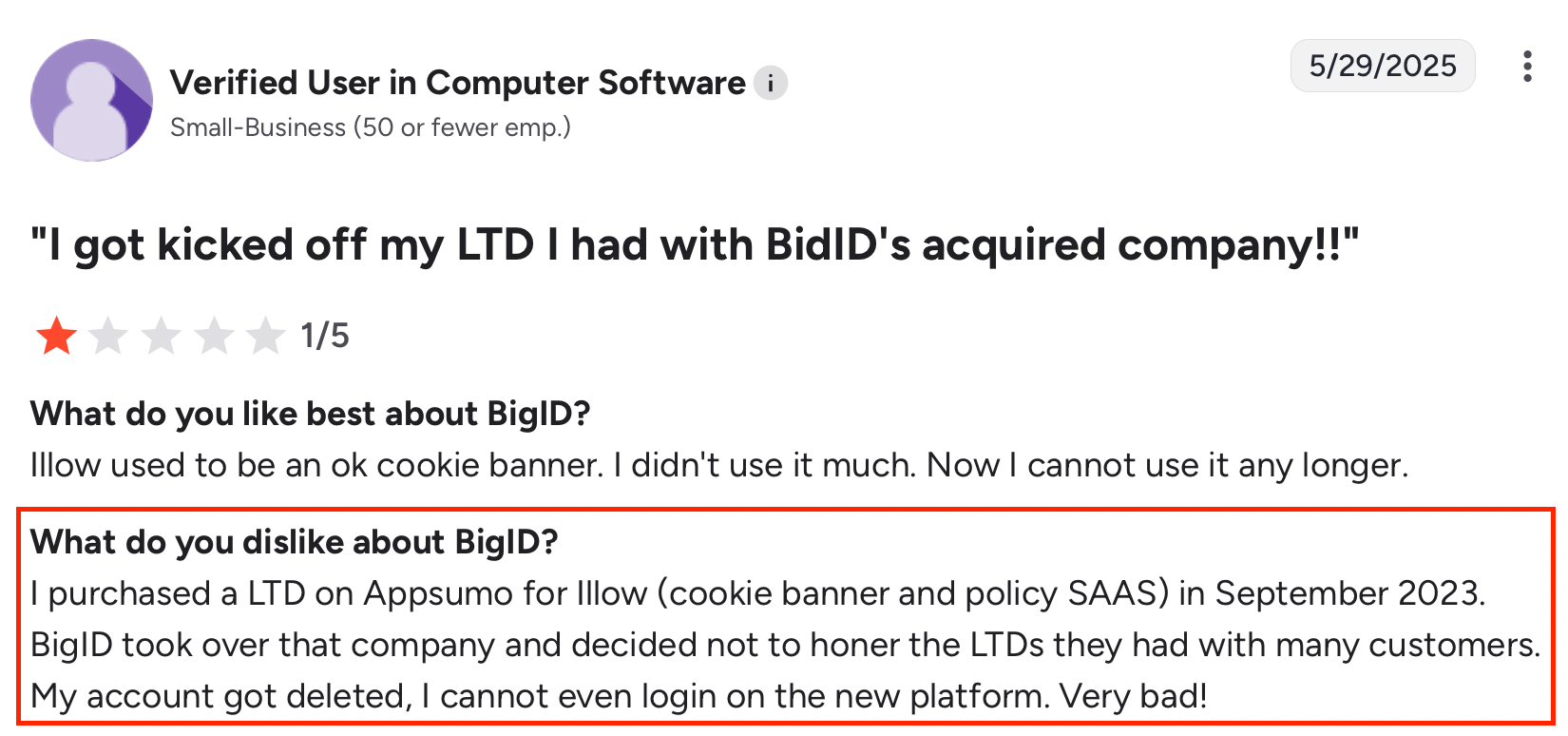
G2 review criticizing BigID for account deletion and failure to honor lifetime deal access after acquisition.
This image shows the G2 review criticizing BigID for account deletion and failure to honor lifetime deal access after acquisition.

Cons

  • Some users reported occasional platform latency and slower response times
    โ€
  • Advanced workflows may require technical expertise during implementation
    โ€
  • Certain detailed file-level investigations can become cumbersome at scale
    โ€
  • Some remediation and workflow areas may still require additional refinement depending on enterprise use cases

โ€

8. TrustArc โ€” Best for Mature Privacy Program Management and Global Compliance

TrustArc Homepage
This image shows the TrustArc Homepage

TrustArc is a mature privacy management platform built for enterprises that want to centralize privacy operations, risk assessments, cookie consent, vendor management, and regulatory guidance in one place.

For Indian enterprises, TrustArc is a good fit if you need to manage DPDPA along with global privacy laws like GDPR, CCPA, and other regional regulations.

The platform supports:

  • privacy program management
    โ€
  • cookie and tracker consent
    โ€
  • data request automation
    โ€
  • data mapping
    โ€
  • vendor risk management
    โ€
  • DPIA and privacy assessments
    โ€
  • regulatory guidance
    โ€
  • AI privacy support

TrustArc is especially useful when your privacy team wants structure.ย 

Instead of managing DSARs, PIAs, vendor reviews, and data maps through spreadsheets and email threads, TrustArc gives you a more repeatable workflow.

The platform also offers regulatory guidance, operational templates, and AI assistance for privacy teams, which can help enterprises reduce manual work and keep privacy programs more organized.

Key Features

  • Privacy program management
    โ€
  • Data request automation
    โ€
  • Cookie and tracker consent management
    โ€
  • Data mapping and vendor risk management
    โ€
  • Privacy, vendor, and risk assessments
    โ€
  • AI support for privacy leaders
    โ€
  • Regulatory guidance and compliance templates
    โ€
  • Certifications and assurance services
    โ€
  • Global privacy regulation support, including India DPDP Act coverage

Best For

  • large enterprises
    โ€
  • privacy teams managing multiple regulations
    โ€
  • organizations needing structured privacy program management
    โ€
  • enterprises that want vendor risk, DSARs, PIAs, and cookie consent in one platform
    โ€
  • global companies operating in India

Pros

  • Centralizes privacy work across DSARs, DPIAs, vendor assessments, data mapping, and cookie consent
    โ€
  • Helps create repeatable workflows instead of fragmented manual processes
    โ€
  • Users highlight strong onboarding and helpful support
    โ€
  • Useful AI functionality for reports, privacy guidance, and compliance visibility
    โ€
  • Good option for enterprises managing global privacy programs
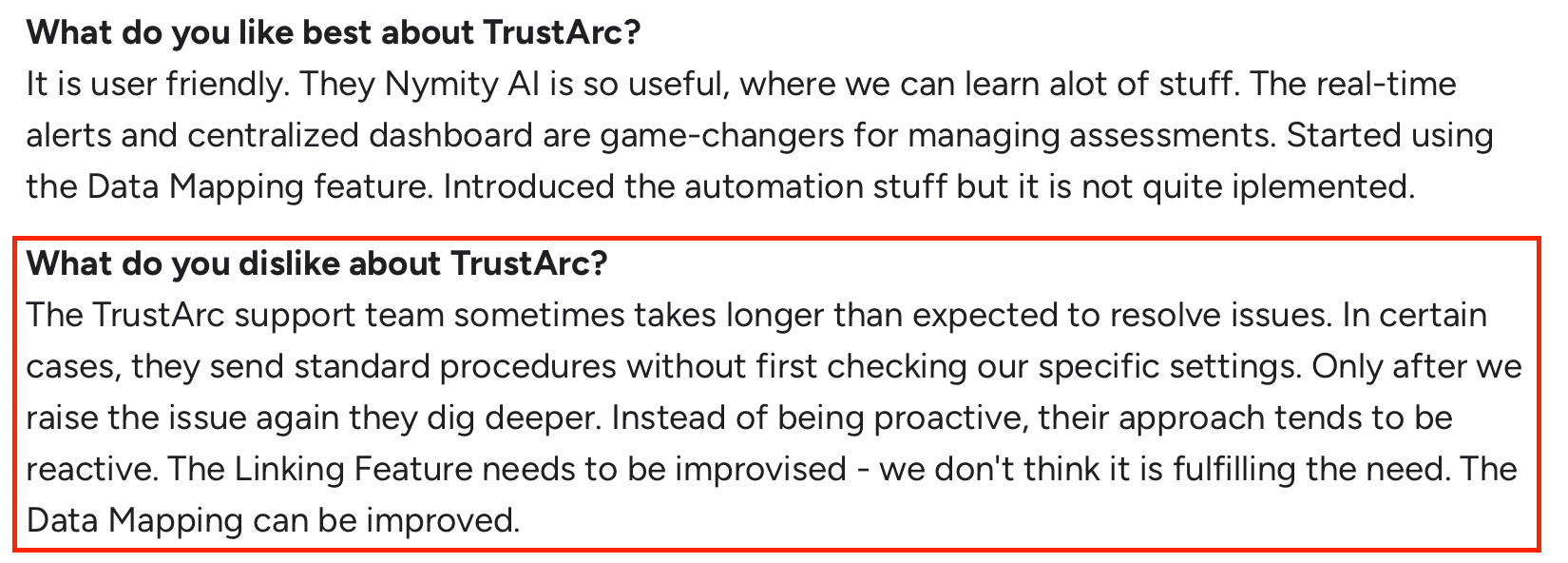
G2 review highlighting TrustArcโ€™s slow support response and limitations in data mapping features.
This image shows the G2 review highlighting TrustArcโ€™s slow support response and limitations in data mapping features.

Cons

  • Requires upfront setup and configuration to get full value
    โ€
  • Pricing may be high for smaller teams or emerging markets
    โ€
  • Some users want more self-service customization options
    โ€
  • Data mapping and linking features may need improvement in certain use cases
    โ€
  • DPDPA-specific workflows may need more configuration compared to India-native tools like Redacto, Privy, Consentin, or Seqrite

โ€

9. IBM Guardium โ€” Best for Security-First Data Protection and Compliance Monitoring

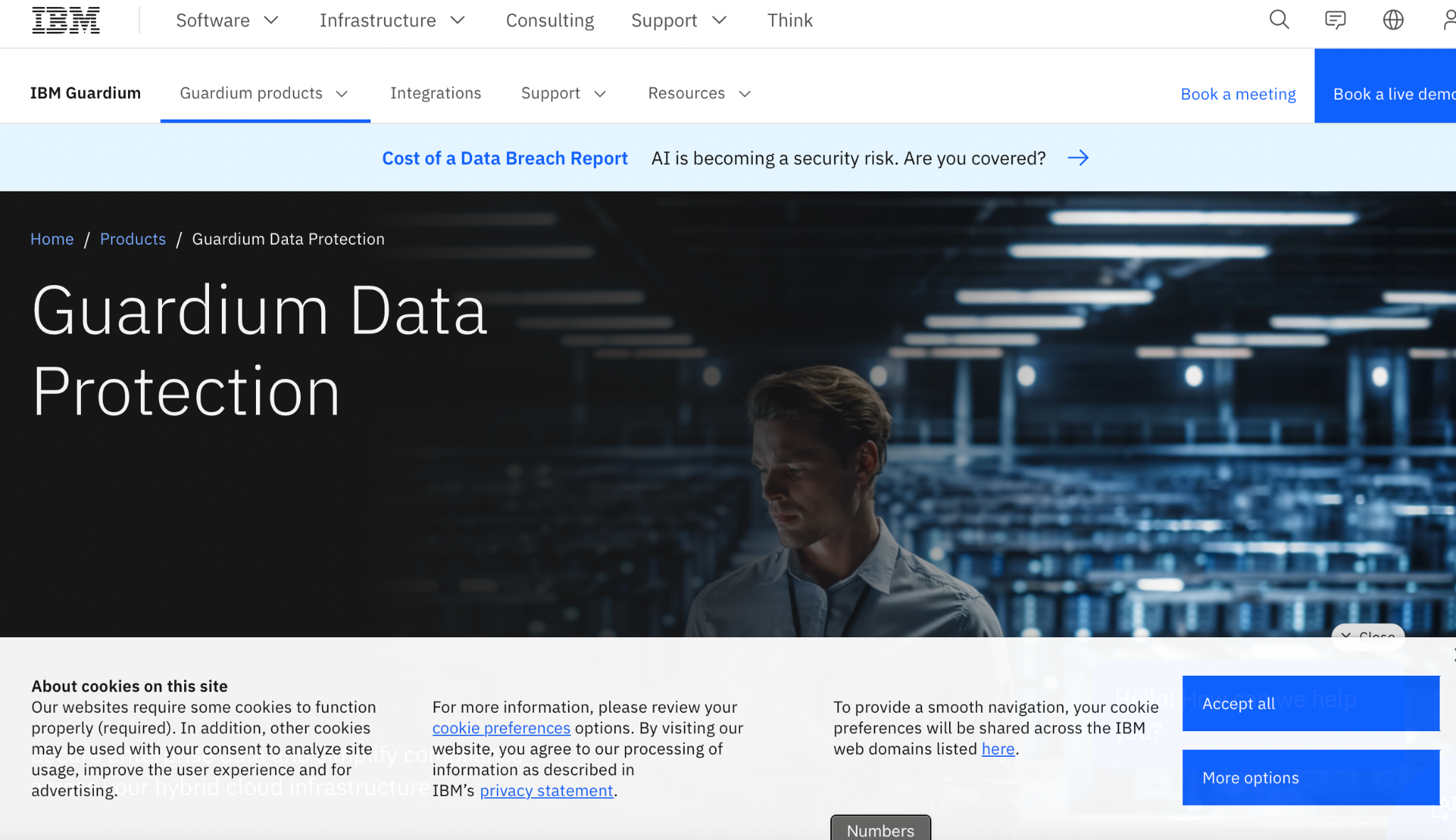
IBM Guardium Homepage
This image shows the IBM Guardium Homepage

IBM Guardium is a strong fit for enterprises that want to secure sensitive data, monitor database activity, and simplify compliance across hybrid cloud and SaaS environments.

Unlike privacy-first platforms, Guardium is more security-focused.ย 

It helps you discover and classify sensitive data, monitor access in real time, manage vulnerabilities, detect suspicious activity, and generate compliance reports.

The platform supports:

  • sensitive data discovery
    โ€
  • data classification
    โ€
  • real-time activity monitoring
    โ€
  • user access tracking
    โ€
  • vulnerability management
    โ€
  • compliance reporting
    โ€
  • long-term audit data retention
    โ€
  • hybrid cloud and SaaS visibility

For Indian enterprises, IBM Guardium makes sense if your biggest concern is protecting sensitive data and proving security controls during audits.ย 

It can support privacy programs, but it is not mainly built around consent, DSAR, or DPIA workflows like Redacto, Privy, OneTrust, or TrustArc.

Key Features

  • Sensitive data discovery and classification
    โ€
  • Real-time database activity monitoring
    โ€
  • User access and policy change tracking
    โ€
  • Vulnerability assessment and threat detection
    โ€
  • Prebuilt compliance templates and reports
    โ€
  • Long-term audit data retention
    โ€
  • Centralized security policy management
    โ€
  • Hybrid cloud and SaaS environment support

Best For

  • large enterprises
    โ€
  • BFSI and regulated sectors
    โ€
  • security-first compliance teams
    โ€
  • enterprises with complex database environments
    โ€
  • organizations needing strong audit and activity monitoring

Pros

  • Excellent visibility into who is accessing sensitive data and when
    โ€
  • Strong audit logs and compliance reporting
    โ€
  • Useful real-time alerts for suspicious activity
    โ€
  • Broad coverage across complex data environments
    โ€
  • Mature enterprise-grade data security platform
G2 review highlighting IBM Guardiumโ€™s complex deployment, maintenance, and resource-intensive setup.
This image shows the G2 review highlighting IBM Guardiumโ€™s complex deployment, maintenance, and resource-intensive setup.

Cons

  • Initial setup and configuration can be complex
    โ€
  • Requires technical expertise to tune policies and alerts
    โ€
  • UI can feel dated compared to newer privacy platforms
    โ€
  • Can be resource-heavy if not optimized well
    โ€
  • Not ideal if your main need is consent management, DSAR automation, or DPDPA-specific workflows

โ€

10. PrivacyEngine โ€” Best for DPDP Training, Risk Management, and Privacy Program Operations

PrivacyEngine Homepage
This image shows the PrivacyEngine Homepage

PrivacyEngine is a privacy operations platform built for organizations that want to manage DPDP, GDPR, risk assessments, breach workflows, training, and audit evidence from one place.

For Indian enterprises, PrivacyEngine is useful because it has a dedicated India-focused DPDPA offering. The platform supports workflows around:

  • consent notices
    โ€
  • data principal rights
    โ€
  • breach reporting
    โ€
  • childrenโ€™s data
    โ€
  • vendor and cross-border data management
    โ€
  • DPDP training
    โ€
  • risk management
    โ€
  • Significant Data Fiduciary governance

What makes PrivacyEngine different is its focus on turning compliance into a live operating program.ย 

Instead of only storing policies or assessment templates, it helps teams assign owners, track actions, manage risks, document evidence, and keep leadership updated on DPDP readiness.

It also includes training modules, which can be useful if you need to educate internal teams on DPDP responsibilities instead of keeping privacy knowledge limited to legal or compliance teams.

Key Features

  • DPDP readiness and gap analysis
    โ€
  • Consent and notice management
    โ€
  • Data principal request management
    โ€
  • Breach and incident management
    โ€
  • Vendor and cross-border data management
    โ€
  • RoPA and DPIA workflows
    โ€
  • Risk management dashboards
    โ€
  • DPDP training modules
    โ€
  • Governance, reporting, and audit evidence

Best For

  • mid-market and enterprise teams
    โ€
  • DPOs and compliance teams
    โ€
  • BFSI, fintech, SaaS, and healthcare companies
    โ€
  • organizations needing DPDP training plus operational workflows
    โ€
  • teams migrating from spreadsheet-based privacy management

Pros

  • Easy-to-use templates for DPIAs, risk assessments, policies, and supplier due diligence
    โ€
  • Built-in training modules help educate employees and track completion
    โ€
  • Strong audit trails for privacy actions, risks, incidents, and documentation
    โ€
  • Helpful support team with quick responses, according to users
    โ€
  • Good fit for GDPR and DPDP program management
G2 review highlighting PrivacyEngineโ€™s outdated interface and limited advanced data mapping features.
This image shows the G2 review highlighting PrivacyEngineโ€™s outdated interface and limited advanced data mapping features.

Cons

  • Reporting and dashboard customization could be more flexible
    โ€
  • Advanced features may have a learning curve at first
    โ€
  • Some areas can feel slightly slow or dated compared to newer platforms

Which Data Privacy Management Platform Should You Choose?

If You Need... Best Platforms
If you need India-first DPDPA workflows
Redacto Privy Seqrite Consentin
If you need global multi-regulation governance
OneTrust TrustArc Securiti
If you need strong data discovery & intelligence
BigID Securiti
If you need security and privacy together
Seqrite IBM Guardium
If you need faster deployment and lower customization
Redacto Privy Consentin
If you need AI governance & AI risk visibility
Securiti BigID OneTrust
If you need vendor risk & DPIA workflows
Redacto TrustArc PrivacyEngine
If you need audit readiness & compliance reporting
OneTrust IBM Guardium TrustArc

โ€

Conclusion

DPDPA compliance is no longer just a legal or policy discussion.

Enterprises now need operational privacy infrastructure that can actually manage consent, vendor risk, DSARs, breach workflows, audit readiness, and governance across systems.

In this guide, you saw:

  • what enterprise data privacy management platforms actually do
    โ€
  • which features matter most for DPDPA compliance
    โ€
  • the difference between India-native and global privacy platforms
    โ€
  • which tools fit different enterprise use cases best

One thing becomes clear very quickly during evaluation: most privacy challenges are operational now, not theoretical.

That is why it is important to:

  • start with data discovery and consent workflows first
    โ€
  • test platforms against real DPDP use cases, not just demo environments
    โ€
  • evaluate deployment complexity and integration effort early
    โ€
  • involve legal, compliance, security, and engineering teams together during evaluation

If your enterprise is looking for a faster, India-first approach to DPDPA compliance with consent management, vendor risk, DPIA, DSAR, and governance workflows in one platform, Redacto is one of the strongest platforms to evaluate in 2026.

Compliance

10 Best Data Privacy Management Platforms for Enterprises in India

AK
Data Privacy Expert

If you are searching for the best data privacy management platforms in India, chances are your biggest challenge is no longer writing privacy policies.

It is managing compliance operationally across your organization.

Many enterprises already use GDPR tools, but DPDPA compliance often needs India-specific workflows for:

  • multilingual consent management
    โ€
  • DSAR automation
    โ€
  • vendor risk assessments
    โ€
  • audit trails
    โ€
  • breach notification workflows
    โ€
  • Significant Data Fiduciary obligations

At the same time, customer data is spread across CRMs, cloud apps, internal systems, and third-party vendors, making compliance difficult to track and even harder to prove during audits.

I recently saw this during a discussion with an enterprise compliance team.ย 

Their biggest challenge was not documentation. It was proving how consent, data requests, and vendor risks were actually being managed across systems.

With DPDPA penalties reaching up to โ‚น250 crore, enterprises can no longer depend on spreadsheets and manual workflows.

This is why enterprises are now evaluating dedicated data privacy management platforms.

In this guide, you will find the best platforms for:

  • consent management
    โ€
  • DSAR automation
    โ€
  • vendor risk management
    โ€
  • DPIA workflows
    โ€
  • audit readiness

including India-native DPDPA platforms, AI PrivacyOps tools, and global enterprise privacy governance suites.

TL;DR

  • Redacto is best for enterprises that want an India-first DPDPA platform with consent, DSAR, vendor risk, DPIA, and governance workflows in one place.
    โ€
  • Seqrite is best for organizations that want privacy compliance and cybersecurity managed together.
    โ€
  • Privy by IDfy is best for regulated industries needing strong DPDPA governance, audit readiness, and consent management.
    โ€
  • OneTrust is best for large enterprises managing global privacy, AI governance, and multi-region compliance workflows.
    โ€
  • Securiti is best for AI data discovery, DSPM, privacy automation, and multicloud governance.
    โ€
  • Consentin is best for businesses wanting faster DPDPA rollout with multilingual consent workflows and simpler deployment.
    โ€
  • BigID is best for enterprise-scale data discovery, AI governance, and unstructured data intelligence.
    โ€
  • TrustArc is best for structured privacy operations, DSAR automation, and audit-focused compliance programs.
    โ€
  • IBM Guardium is best for real-time database monitoring, threat detection, and compliance visibility.
    โ€
  • PrivacyEngine is best for organizations needing DPDP workflows, privacy training, risk management, and governance tracking.

โ€

How We Evaluated These Data Privacy Management Platforms

To make this list genuinely useful for enterprise teams in India, the evaluation focused on the practical problems most organizations are dealing with while preparing for DPDPA compliance.

  • DPDPA readiness mattered heavily because you need more than generic GDPR workflows for consent, audit trails, DSARs, and breach reporting in India.
    โ€
  • Enterprise scalability was important since privacy operations become much harder when your data is spread across teams, cloud apps, vendors, and internal systems.
    โ€
  • India-specific workflows were prioritized because multilingual consent handling and local compliance expectations are becoming critical for large enterprises.
    โ€
  • Consent management capabilities were reviewed closely to see how well platforms handle consent collection, withdrawal, preference tracking, and recordkeeping.
    โ€
  • DSAR automation was evaluated based on how much manual work your legal, compliance, and IT teams can actually reduce.
    โ€
  • Vendor risk workflows were considered because third-party compliance is becoming one of the biggest operational risks under DPDPA.
    โ€
  • AI automation was reviewed to understand whether the platform genuinely reduces operational effort through automated discovery, classification, DPIAs, and risk analysis.
    โ€
  • Deployment flexibility mattered because many enterprises still require on-prem or private-cloud environments alongside SaaS deployments.
    โ€
  • Integrations were important since privacy tools need to connect smoothly with your CRM, HRMS, cloud infrastructure, and security stack.
    โ€
  • Pricing transparency was considered to understand whether the platform realistically fits enterprise compliance budgets in India.
    โ€
  • Enterprise adoption in India also played a role, especially across BFSI, healthcare, fintech, ecommerce, and manufacturing sectors.

โ€

10 Best Data Privacy Management Platform For Enterprises in India

Platform Best For Core Privacy Workflows Discovery / AI Depth Setup Complexity Main Advantage
Redacto India-first DPDPA operations Consent, DSAR, DPIA, vendor risk, audits Strong Lowโ€“Medium Fast India-specific privacy workflows
Seqrite Privacy + cybersecurity together Consent basics, discovery, monitoring Moderate Medium Security and privacy in one stack
Privy by IDfy BFSI and regulated sectors Consent, DSAR, DPIA, vendor risk Moderate Medium Strong DPDPA governance readiness
OneTrust Large global enterprises Consent, DSAR, DPIA, vendor risk, governance Strong High Deep multi-regulation ecosystem
Securiti Enterprise governance Privacy, security, data governance, AI governance Very Strong High Unified privacy, security, and governance
Consentin Fast DPDPA rollout Consent, DSAR, DPIA, vendor risk Moderate Low Quick multilingual consent deployment
BigID Enterprise data intelligence Discovery, classification, DSPM, governance Very Strong High Deep discovery and classification
TrustArc Mature privacy programs Consent, DSAR, DPIA, vendor risk, audits Moderate Mediumโ€“High Structured privacy operations
IBM Guardium Security-first compliance monitoring Database monitoring, audit visibility, security controls Strong High Real-time database monitoring
PrivacyEngine DPDP operations + training DSAR, DPIA, vendor risk, training, audits Moderate Medium Privacy program training and governance

1. Redacto โ€” Best India-First Data Privacy Management Platform for DPDPA Compliance
Redacto Homepageโ€
This image shows the Redacto Homepage

Redacto is an India-first AI-powered data privacy and governance platform built specifically for enterprises preparing for DPDPA compliance at scale.

What makes Redacto stand out is that the platform focuses heavily on operational privacy workflows instead of just policy management.ย 

Many enterprises already have legal documentation in place, but struggle with actually managing consent records, vendor assessments, DSARs, breach workflows, and audit readiness across systems.ย 

Consent management in Redacto
This image shows the Consent management in Redacto

Redacto is designed to solve those operational gaps.

The platform combines:

  • Consent management
    โ€
  • Data discovery & mapping
    โ€
  • Vendor risk management
    โ€
  • DPIA/PIA automation
    โ€
  • DSAR workflows
    โ€
  • breach notification management
    โ€
  • governance reporting

inside one unified platform.

Redacto also supports multilingual consent workflows and offers 7000+ integrations/plugins, which can significantly reduce deployment effort for enterprises dealing with fragmented systems.

One area where the platform feels particularly strong is vendor risk automation.ย 

According to the company, enterprises have reduced vendor assessment timelines from days or weeks to minutes using AI-assisted workflows.

Key Features

  • AI DPDPA compliance workflows
    โ€
  • Unified consent management with multilingual support
    โ€
  • Automated DSAR management
    โ€
  • Vendor risk assessments and remediation workflows
    โ€
  • Privacy Impact Assessment (PIA/DPIA) automation
    โ€
  • Data discovery and mapping
    โ€
  • Real-time breach notification dashboards
    โ€
  • SaaS, private-cloud, and on-prem deployment support
    โ€
  • 7000+ consent integrations/plugins

Best For

  • BFSI
    โ€
  • healthcare
    โ€
  • pharma
    โ€
  • ecommerce
    โ€
  • manufacturing
    โ€
  • enterprises looking for India-specific DPDPA workflows with faster deployment

Pros

  • Built specifically around Indian privacy compliance workflows
    โ€
  • Strong focus on operational usability instead of only governance documentation
    โ€
  • Flexible deployment options for regulated industries
    โ€
  • Faster implementation compared to many global privacy suites that often require heavy customization for DPDPA workflows

Cons

  • Compared to global incumbents like OneTrust or TrustArc, Redacto is still a newer platform in the enterprise privacy market, so some multinational enterprises may still evaluate larger global ecosystems alongside it.

โ€

2. Seqrite โ€” Best for Enterprises Looking for Combined Privacy + Cybersecurity Management
Seqrite Homepage
This image shows the Seqrite Homepage

Seqrite is primarily known as an enterprise cybersecurity platform, but its growing data privacy and DPDP compliance capabilities make it one of the stronger India-native options for enterprises that want privacy and security managed together.

What makes Seqrite different from many traditional privacy platforms is its broader security-first approach.ย 

Instead of focusing only on consent and governance workflows, the platform combines:

  • data privacy
    โ€
  • endpoint security
    โ€
  • DLP
    โ€
  • discovery & classification
    โ€
  • governance
    โ€
  • monitoring
    โ€
  • threat detection

inside a unified platform.

This makes Seqrite particularly useful for enterprises where privacy, cybersecurity, and compliance teams work closely together.

The platform supports:

  • data discovery & classification
    โ€
  • consent governance
    โ€
  • policy management
    โ€
  • dashboards & reporting
    โ€
  • alerting & investigations
    โ€
  • AIsecurity operations
    โ€
  • cloud and on-prem deployments

Seqrite also positions itself strongly around AI-powered automation through its GenAI security analyst called SIA, which helps reduce operational complexity for enterprise security teams.

Key Features

  • Data discovery and classification
    โ€
  • Consent and governance management
    โ€
  • Endpoint protection and DLP
    โ€
  • AI monitoring and investigations
    โ€
  • Centralized dashboards and reporting
    โ€
  • Cloud, hybrid, and on-prem deployment support
    โ€
  • Policy and posture management
    โ€
  • Threat intelligence and MDR services

Best For

  • BFSI
    โ€
  • healthcare
    โ€
  • manufacturing
    โ€
  • enterprises wanting combined cybersecurity and privacy operations
    โ€
  • organizations already managing large endpoint environments

Pros

  • Easy centralized management across endpoints and security operations
    โ€
  • Lightweight deployment with minimal system performance impact according to users
    โ€
  • Strong visibility features for monitoring systems and cloud activity
    โ€
  • Affordable compared to many global enterprise security suites
    โ€
  • Good customer support experience highlighted in multiple reviews
G2 review noting Seqriteโ€™s limited support and features for Mac and Linux systems.
This image shows the G2 review noting Seqriteโ€™s limited support and features for Mac and Linux systems.

Cons

  • Some users reported limited feature depth for Mac and Linux environments
    โ€
  • Privacy governance workflows may feel less specialized compared to dedicated PrivacyOps platforms
    โ€
  • Enterprises needing highly advanced consent governance may still evaluate more privacy-focused platforms alongside Seqrite

โ€

3. Privy by IDfy โ€” Best for BFSI and Regulated Enterprises Preparing for DPDPA
Privy by IDfy Homepage
This image shows the Privy by IDfy Homepage

Privy by IDfy is one of the most DPDPA-focused privacy management platforms currently available for Indian enterprises.

Unlike many global privacy tools that later adapted to DPDPA, Privy was built specifically around Indiaโ€™s evolving privacy and consent ecosystem.ย 

The platform focuses heavily on helping enterprises operationalize privacy workflows across:

  • consent governance
    โ€
  • data discovery
    โ€
  • DSAR management
    โ€
  • DPIA workflows
    โ€
  • third-party risk
    โ€
  • audit readiness

One thing that stands out immediately is Privyโ€™s strong alignment with Indiaโ€™s regulatory ecosystem.ย 

The platform was the winner of MeitYโ€™s DPDP Innovation Challenge and positions itself heavily around India-specific compliance implementation.

Privy also benefits from IDfyโ€™s larger trust and RegTech infrastructure, which gives it a strong enterprise credibility advantage in regulated industries like BFSI, fintech, and financial services.

The platform includes:

  • multilingual consent governance
    โ€
  • cookie management
    โ€
  • automated data rights workflows
    โ€
  • AI-powered privacy monitoring through InspectAI
    โ€
  • personal data discovery & governance
    โ€
  • continuous compliance management

Privy appears particularly strong for enterprises that need privacy operations tied closely with audit evidence, governance visibility, and regulator-facing workflows.

Key Features

  • Consent lifecycle management
    โ€
  • Automated DSAR workflows
    โ€
  • AI privacy co-pilot (InspectAI)
    โ€
  • Cookie consent management
    โ€
  • Personal data discovery & governance
    โ€
  • Continuous compliance monitoring
    โ€
  • Third-party risk workflows
    โ€
  • Audit-ready privacy operations
    โ€
  • DPDPA-focused governance workflows

Best For

  • BFSI
    โ€
  • fintech
    โ€
  • insurance
    โ€
  • regulated enterprises
    โ€
  • organizations needing strong audit and governance visibility

Pros

  • Strong DPDPA-specific workflow coverage compared to many global platforms
    โ€
  • Helpful governance visibility for enterprise compliance teams
    โ€
  • Strong enterprise credibility in BFSI and fintech sectors
    โ€
  • AI-powered compliance insights through InspectAI
    โ€
  • Multiple enterprises highlighted implementation and compliance support positively
G2 review criticizing Privy updates for breaking templates without user notification.
This image shows the G2 review criticizing Privy updates for breaking templates without user notification.

Cons

  • Enterprises outside regulated sectors may find some workflows more governance-heavy than needed
    โ€
  • Some users mentioned dashboard and layout organization could improve
    โ€
  • Certain customization and template flexibility areas may require additional refinement depending on enterprise use cases
    โ€
  • Pricing may become expensive as deployment scale increases across teams and workflows

โ€

4. OneTrust โ€” Best for Large Enterprises Managing Global Privacy, Risk, and AI Governance
OneTrust Homepage
This image shows the OneTrust Homepage

OneTrust is one of the most mature enterprise privacy management platforms in the market.

It is built for large organizations that need to manage privacy, consent, third-party risk, data governance, AI governance, and compliance workflows from one central platform.

For Indian enterprises, OneTrust makes the most sense when you are not only preparing for DPDPA, but also managing global regulations like GDPR, CCPA, DORA, and other regional privacy laws.

The platform covers:

  • privacy automation
    โ€
  • consent and preference management
    โ€
  • DSAR workflows
    โ€
  • data mapping
    โ€
  • DPIA and RoPA
    โ€
  • third-party risk management
    โ€
  • AI governance
    โ€
  • tech risk and compliance
    โ€
  • policy enforcement

What makes OneTrust strong is its depth.ย 

You get a large privacy ecosystem with pre-built workflows, regulatory intelligence, automation templates, integrations, and reporting features.ย 

This is useful if your organization has multiple business units, regions, brands, vendors, and data systems to manage.

But that depth also creates complexity.ย 

OneTrust is powerful, but it is not always a quick โ€œplug-and-playโ€ tool. Teams often need proper implementation support, training, and time to configure workflows correctly.

Key Features

  • Privacy automation and workflow management
    โ€
  • Consent and preference management
    โ€
  • DSAR and rights request handling
    โ€
  • DPIA, RoPA, and data mapping
    โ€
  • Third-party risk management
    โ€
  • AI governance and data use governance
    โ€
  • Regulatory intelligence across global laws
    โ€
  • Integrations with enterprise systems
    โ€
  • Dashboards, reports, and audit evidence

Best For

  • large enterprises
    โ€
  • multinational companies
    โ€
  • privacy teams managing multiple regulations
    โ€
  • enterprises with dedicated compliance and implementation teams
    โ€
  • organizations that need privacy, AI governance, and third-party risk in one platform

Pros

  • Centralizes privacy workflows across consent, DSARs, RoPA, DPIA, and vendor risk
    โ€
  • Strong integration capabilities with common enterprise systems
    โ€
  • Pre-built templates help reduce manual compliance work
    โ€
  • Regulatory intelligence helps teams track changing privacy laws
G2 review highlighting OneTrustโ€™s complex setup, cluttered UI, and steep learning curve.
This image shows the G2 review highlighting OneTrustโ€™s complex setup, cluttered UI, and steep learning curve.

Cons

  • Can feel complex for teams new to privacy technology
    โ€
  • Setup may take weeks if workflows and data mapping are heavily customized
    โ€
  • Pricing can become expensive as you add more modules
    โ€
  • Reporting and dashboards are basic in certain areas
Top 5+ OneTrust Alternatives & Competitors for DPDPA Compliance in India (2026)

โ€

5. Securiti โ€” Best for AI-Powered Enterprise Privacy and Data Governance
Securiti Homepage
This image shows the Securiti Homepage

Securiti is one of the strongest enterprise platforms for organizations managing privacy, security, governance, compliance, and AI risk across large hybrid environments.

What makes Securiti different from many traditional privacy tools is its broader โ€œData Command Centerโ€ approach. Instead of treating privacy, governance, and security as separate functions, the platform combines them into one unified data intelligence and orchestration layer.

The platform supports:

  • data discovery & classification
    โ€
  • consent management
    โ€
  • DSAR automation
    โ€
  • data mapping
    โ€
  • DPIA and assessment automation
    โ€
  • breach management
    โ€
  • AI governance
    โ€
  • compliance management
    โ€
  • DSPM (Data Security Posture Management)

Securiti appears particularly strong for enterprises dealing with massive multicloud environments, large SaaS ecosystems, and complex enterprise data estates.

One feature that stands out consistently is the platformโ€™s Data Command Graph, which helps organizations map relationships between data systems, users, policies, and sensitive information across environments. T

his gives privacy and security teams much better visibility into how enterprise data is actually flowing.

The platform also integrates with thousands of cloud, SaaS, and enterprise systems, making it useful for large organizations managing fragmented infrastructure.

Key Features

  • AI-powered data discovery and classification
    โ€
  • Data mapping automation and RoPA management
    โ€
  • DSAR automation
    โ€
  • Consent lifecycle management
    โ€
  • Breach and incident management
    โ€
  • AI governance and compliance workflows
    โ€
  • Third-party and assessment automation
    โ€
  • DSPM capabilities
    โ€
  • Hybrid multicloud integrations
    โ€
  • Data Command Graph for enterprise data visibility

Best For

  • large enterprises
    โ€
  • multinational organizations
    โ€
  • enterprises with hybrid or multicloud environments
    โ€
  • organizations managing AI governance alongside privacy
    โ€
  • enterprises needing large-scale data visibility and classification

Pros

  • Strong hybrid cloud and multicloud discovery capabilities
    โ€
  • Automated remediation workflows help reduce manual operational effort
    โ€
  • Excellent integrations with enterprise systems like SAP, Salesforce, Office 365, SharePoint, and ServiceNow
    โ€
  • AI cookie detection and classification capabilities
    โ€
  • Good centralized visibility across privacy, governance, and compliance workflows
G2 review noting Securitiโ€™s unclear error messaging and UX troubleshooting challenges.
This image shows the G2 review noting Securitiโ€™s unclear error messaging and UX troubleshooting challenges.

Cons

  • UI can sometimes feel complex for large-scale deployments
    โ€
  • Some bulk configuration and onboarding workflows may still require manual setup
    โ€
  • Certain discovery and remediation configurations could be simplified further
    โ€
  • Frequent feature rollouts can sometimes make the platform feel overwhelming
    โ€
  • Enterprises may need technical expertise during large implementations
5 Best Securiti.ai Alternatives for DPDPA Compliance in Indian Enterprises

โ€

6. Consentin โ€” Best for Fast DPDPA Consent and Privacy Operations Deployment

Consentin Homepage
This image shows the Consentin Homepage

Consentin by Leegality is an India-native privacy and consent management platform built specifically for businesses implementing DPDPA compliance across customer and vendor workflows.

What makes Consentin stand out is its practical, implementation-first approach.ย 

While many enterprise privacy platforms focus heavily on governance complexity, Consentin focuses more on helping Indian businesses go live quickly with DPDP-compliant consent, privacy rights management, data discovery, and third-party risk workflows.

The platform combines:

  • consent management
    โ€
  • cookie consent
    โ€
  • privacy rights handling
    โ€
  • data discovery
    โ€
  • data mapping & lineage
    โ€
  • DPIA/PIA workflows
    โ€
  • third-party risk assessments
    โ€
  • breach notification automation

inside one platform.

One area where Consentin feels particularly strong is consent lifecycle management. The platform supports:

  • 22 Indian languages
    โ€
  • 2-click consent collection
    โ€
  • consent syncing through APIs and webhooks
    โ€
  • automated consent withdrawal workflows
    โ€
  • deletion instructions to internal and third-party systems

This makes it useful for enterprises handling large-scale customer interactions across apps, websites, CRMs, IVR systems, and partner ecosystems.

Another thing worth noting is the deployment simplicity.ย 

Consentin claims a typical go-live timeline of around two weeks, which is significantly faster than many large enterprise privacy suites that often require months of implementation work.

The platform also positions itself strongly around legal and compliance expertise, since it is built by Leegality, which already has deep roots in Indiaโ€™s compliance and digital documentation ecosystem.

Key Features

  • DPDP-compliant consent management
    โ€
  • Cookie consent management
    โ€
  • Privacy rights and consent withdrawal workflows
    โ€
  • Data discovery across structured and unstructured systems
    โ€
  • Data mapping and lineage visibility
    โ€
  • DPIA, PIA, and third-party risk assessments
    โ€
  • Automated breach notification workflows
    โ€
  • API and webhook integrations
    โ€
  • 22-language consent collection support

Best For

  • BFSI
    โ€
  • ecommerce
    โ€
  • fintech
    โ€
  • telemarketing
    โ€
  • mid-market enterprises
    โ€
  • organizations wanting faster DPDPA implementation

Pros

  • Fast implementation timelines compared to larger governance-heavy platforms
    โ€
  • Strong support for multilingual consent collection
    โ€
  • Useful API and webhook integrations for syncing consent across systems
    โ€
  • Simple flat-fee pricing structure helps reduce pricing complexity
    โ€
  • Strong focus on operational privacy workflows instead of only governance documentation

Cons

  • Large multinational enterprises may still prefer broader global governance ecosystems like OneTrust or Securiti
    โ€
  • Data discovery capabilities for SaaS deployments are more limited compared to some advanced enterprise discovery platforms
    โ€
  • Enterprises needing highly advanced AI governance or complex multicloud orchestration may require additional tooling
    โ€
  • More operationally focused than deeply analytics-heavy enterprise governance suites

โ€

7. BigID โ€” Best for Enterprise Data Discovery, Classification, and AI Data Governance
BigID Homepage
This image shows the BigID Homepage

BigID is one of the most advanced enterprise platforms for organizations that need deep visibility into sensitive data spread across cloud, SaaS, on-prem, and AI environments.

What makes BigID different from many traditional privacy platforms is its heavy focus on:

  • data discovery
    โ€
  • AI-driven classification
    โ€
  • DSPM (Data Security Posture Management)
    โ€
  • AI governance
    โ€
  • risk remediation
    โ€
  • enterprise-scale data intelligence

Instead of focusing only on consent and privacy workflows, BigID is designed to help enterprises understand exactly:

  • where sensitive data exists
    โ€
  • who has access to it
    โ€
  • how it flows across systems
    โ€
  • how it is being used in AI environments

The platform supports:

  • data discovery & classification
    โ€
  • consent and privacy management
    โ€
  • DSAR automation
    โ€
  • data minimization
    โ€
  • AI governance
    โ€
  • risk remediation
    โ€
  • cross-border data monitoring
    โ€
  • data retention & deletion
    โ€
  • vendor and compliance management

One area where BigID stands out strongly is unstructured data governance. The platform can classify and contextualize:

  • emails
    โ€
  • chats
    โ€
  • files
    โ€
  • code repositories
    โ€
  • cloud storage
    โ€
  • vector databases
    โ€
  • AI training datasets

across enterprise environments using AI-powered classification models.

BigID also positions itself heavily around AI governance and AI risk management. This includes:

  • AI security posture management
    โ€
  • shadow AI detection
    โ€
  • AI access governance
    โ€
  • AI-ready data labeling
    โ€
  • AI compliance monitoring

which is becoming increasingly important for enterprises deploying copilots, LLMs, and agentic AI systems internally.

For Indian enterprises, BigID is usually a stronger fit when the primary challenge is large-scale data visibility, AI governance, or enterprise data classification rather than only operational DPDPA workflows.

Key Features

  • AI-powered data discovery and classification
    โ€
  • DSPM and data security posture management
    โ€
  • AI governance and AI risk management
    โ€
  • DSAR automation
    โ€
  • Consent and preference management
    โ€
  • Data minimization and retention workflows
    โ€
  • Cross-border data transfer monitoring
    โ€
  • Data masking and redaction
    โ€
  • Unstructured data governance
    โ€
  • Enterprise-scale integrations across cloud, SaaS, and on-prem systems

Best For

  • large enterprises
    โ€
  • multinational organizations
    โ€
  • enterprises managing massive structured and unstructured datasets
    โ€
  • organizations deploying AI systems and copilots
    โ€
  • enterprises prioritizing data discovery and AI governance

Pros

  • Strong AI-powered data classification and discovery capabilities
    โ€
  • Helpful centralized visibility into sensitive enterprise data
    โ€
  • Good support for data privacy, access governance, and compliance workflows
    โ€
  • Strong cloud and SaaS integration ecosystem
    โ€
  • Multiple users highlighted the platformโ€™s intuitive UI and enterprise-scale visibility features positively
G2 review criticizing BigID for account deletion and failure to honor lifetime deal access after acquisition.
This image shows the G2 review criticizing BigID for account deletion and failure to honor lifetime deal access after acquisition.

Cons

  • Some users reported occasional platform latency and slower response times
    โ€
  • Advanced workflows may require technical expertise during implementation
    โ€
  • Certain detailed file-level investigations can become cumbersome at scale
    โ€
  • Some remediation and workflow areas may still require additional refinement depending on enterprise use cases

โ€

8. TrustArc โ€” Best for Mature Privacy Program Management and Global Compliance

TrustArc Homepage
This image shows the TrustArc Homepage

TrustArc is a mature privacy management platform built for enterprises that want to centralize privacy operations, risk assessments, cookie consent, vendor management, and regulatory guidance in one place.

For Indian enterprises, TrustArc is a good fit if you need to manage DPDPA along with global privacy laws like GDPR, CCPA, and other regional regulations.

The platform supports:

  • privacy program management
    โ€
  • cookie and tracker consent
    โ€
  • data request automation
    โ€
  • data mapping
    โ€
  • vendor risk management
    โ€
  • DPIA and privacy assessments
    โ€
  • regulatory guidance
    โ€
  • AI privacy support

TrustArc is especially useful when your privacy team wants structure.ย 

Instead of managing DSARs, PIAs, vendor reviews, and data maps through spreadsheets and email threads, TrustArc gives you a more repeatable workflow.

The platform also offers regulatory guidance, operational templates, and AI assistance for privacy teams, which can help enterprises reduce manual work and keep privacy programs more organized.

Key Features

  • Privacy program management
    โ€
  • Data request automation
    โ€
  • Cookie and tracker consent management
    โ€
  • Data mapping and vendor risk management
    โ€
  • Privacy, vendor, and risk assessments
    โ€
  • AI support for privacy leaders
    โ€
  • Regulatory guidance and compliance templates
    โ€
  • Certifications and assurance services
    โ€
  • Global privacy regulation support, including India DPDP Act coverage

Best For

  • large enterprises
    โ€
  • privacy teams managing multiple regulations
    โ€
  • organizations needing structured privacy program management
    โ€
  • enterprises that want vendor risk, DSARs, PIAs, and cookie consent in one platform
    โ€
  • global companies operating in India

Pros

  • Centralizes privacy work across DSARs, DPIAs, vendor assessments, data mapping, and cookie consent
    โ€
  • Helps create repeatable workflows instead of fragmented manual processes
    โ€
  • Users highlight strong onboarding and helpful support
    โ€
  • Useful AI functionality for reports, privacy guidance, and compliance visibility
    โ€
  • Good option for enterprises managing global privacy programs
G2 review highlighting TrustArcโ€™s slow support response and limitations in data mapping features.
This image shows the G2 review highlighting TrustArcโ€™s slow support response and limitations in data mapping features.

Cons

  • Requires upfront setup and configuration to get full value
    โ€
  • Pricing may be high for smaller teams or emerging markets
    โ€
  • Some users want more self-service customization options
    โ€
  • Data mapping and linking features may need improvement in certain use cases
    โ€
  • DPDPA-specific workflows may need more configuration compared to India-native tools like Redacto, Privy, Consentin, or Seqrite

โ€

9. IBM Guardium โ€” Best for Security-First Data Protection and Compliance Monitoring
IBM Guardium Homepage
This image shows the IBM Guardium Homepage

IBM Guardium is a strong fit for enterprises that want to secure sensitive data, monitor database activity, and simplify compliance across hybrid cloud and SaaS environments.

Unlike privacy-first platforms, Guardium is more security-focused.ย 

It helps you discover and classify sensitive data, monitor access in real time, manage vulnerabilities, detect suspicious activity, and generate compliance reports.

The platform supports:

  • sensitive data discovery
    โ€
  • data classification
    โ€
  • real-time activity monitoring
    โ€
  • user access tracking
    โ€
  • vulnerability management
    โ€
  • compliance reporting
    โ€
  • long-term audit data retention
    โ€
  • hybrid cloud and SaaS visibility

For Indian enterprises, IBM Guardium makes sense if your biggest concern is protecting sensitive data and proving security controls during audits.ย 

It can support privacy programs, but it is not mainly built around consent, DSAR, or DPIA workflows like Redacto, Privy, OneTrust, or TrustArc.

Key Features

  • Sensitive data discovery and classification
    โ€
  • Real-time database activity monitoring
    โ€
  • User access and policy change tracking
    โ€
  • Vulnerability assessment and threat detection
    โ€
  • Prebuilt compliance templates and reports
    โ€
  • Long-term audit data retention
    โ€
  • Centralized security policy management
    โ€
  • Hybrid cloud and SaaS environment support

Best For

  • large enterprises
    โ€
  • BFSI and regulated sectors
    โ€
  • security-first compliance teams
    โ€
  • enterprises with complex database environments
    โ€
  • organizations needing strong audit and activity monitoring

Pros

  • Excellent visibility into who is accessing sensitive data and when
    โ€
  • Strong audit logs and compliance reporting
    โ€
  • Useful real-time alerts for suspicious activity
    โ€
  • Broad coverage across complex data environments
    โ€
  • Mature enterprise-grade data security platform
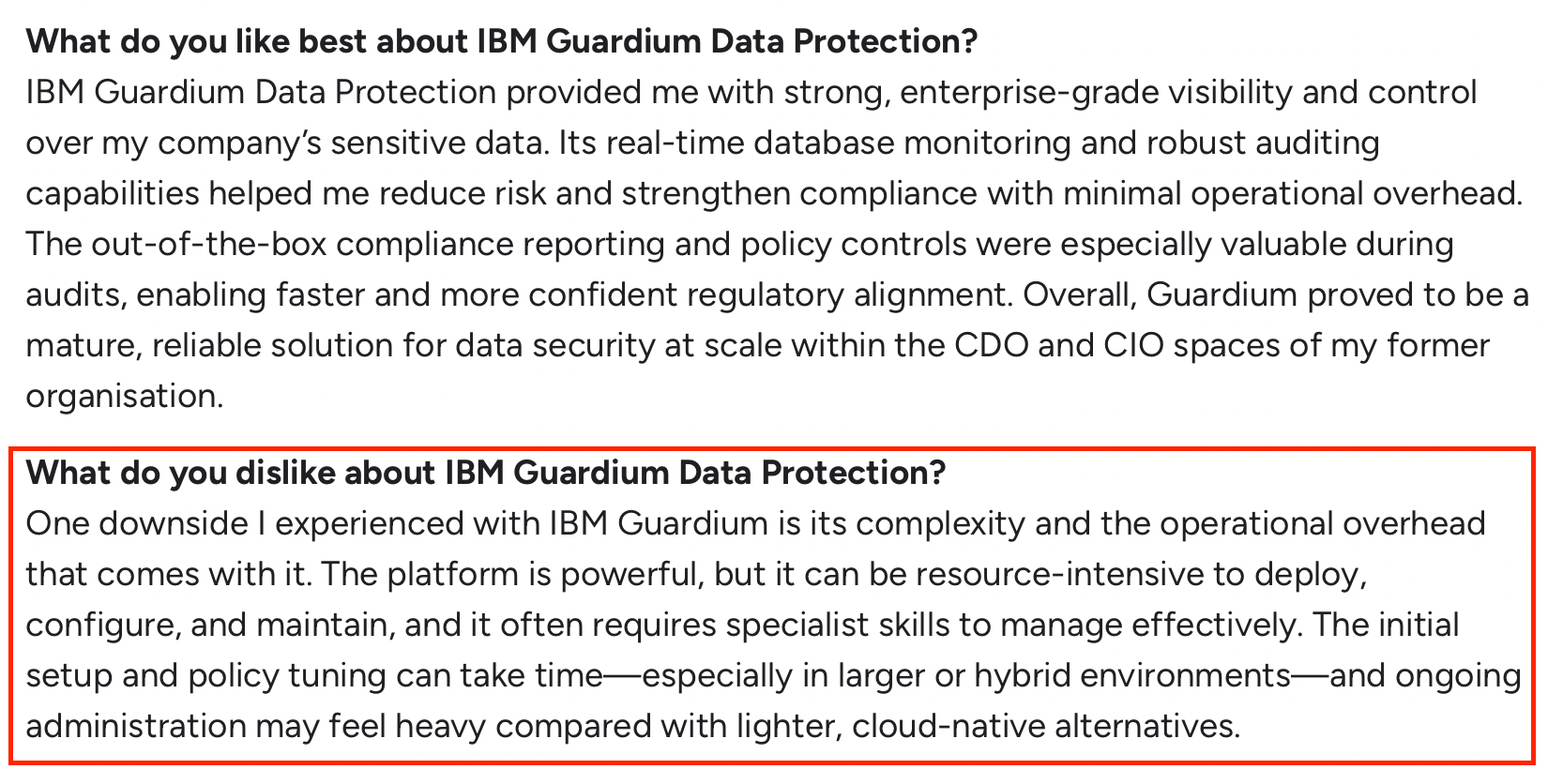
G2 review highlighting IBM Guardiumโ€™s complex deployment, maintenance, and resource-intensive setup.
This image shows the G2 review highlighting IBM Guardiumโ€™s complex deployment, maintenance, and resource-intensive setup.

Cons

  • Initial setup and configuration can be complex
    โ€
  • Requires technical expertise to tune policies and alerts
    โ€
  • UI can feel dated compared to newer privacy platforms
    โ€
  • Can be resource-heavy if not optimized well
    โ€
  • Not ideal if your main need is consent management, DSAR automation, or DPDPA-specific workflows

โ€

10. PrivacyEngine โ€” Best for DPDP Training, Risk Management, and Privacy Program Operations
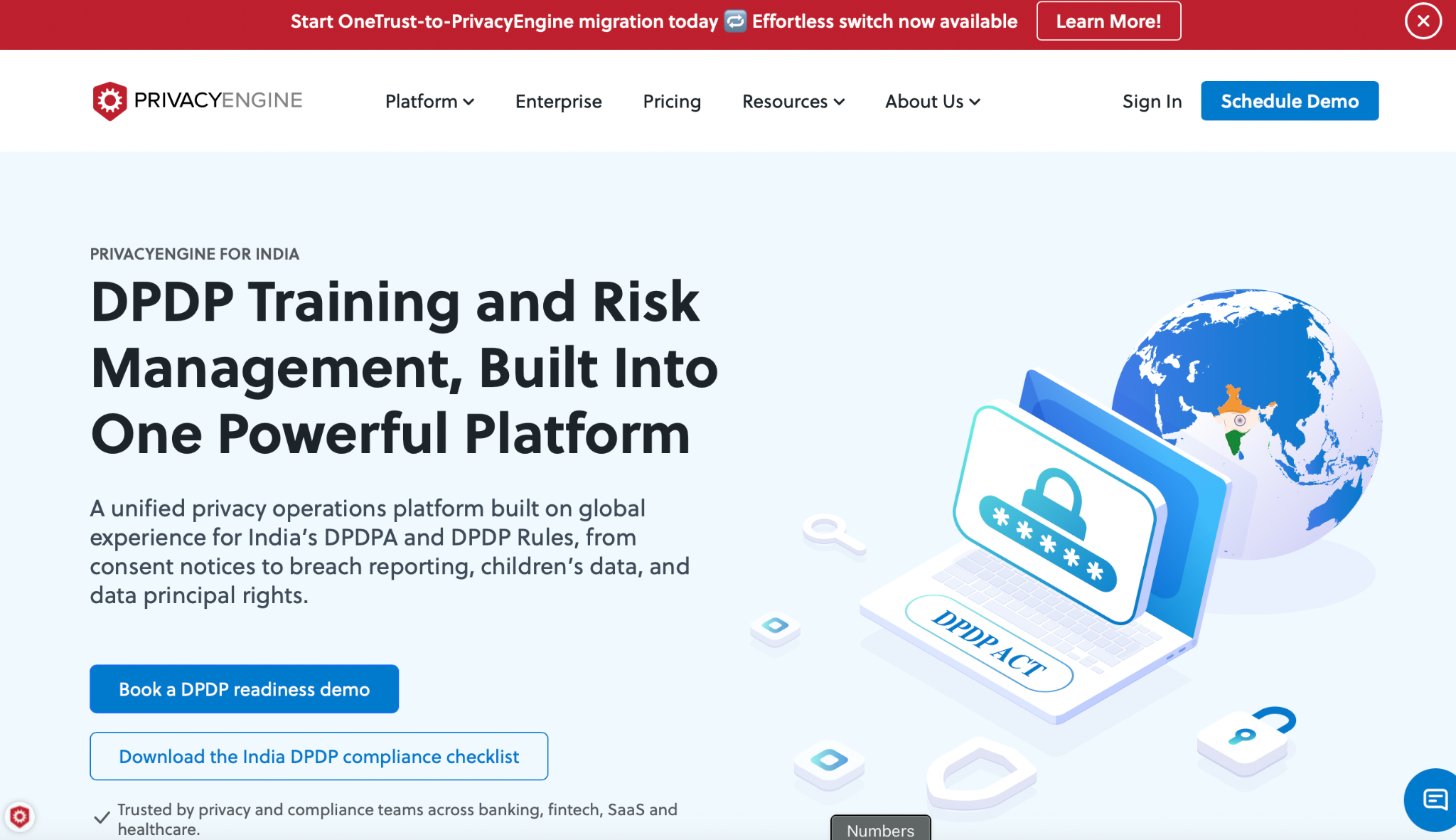
PrivacyEngine Homepage
This image shows the PrivacyEngine Homepage

PrivacyEngine is a privacy operations platform built for organizations that want to manage DPDP, GDPR, risk assessments, breach workflows, training, and audit evidence from one place.

For Indian enterprises, PrivacyEngine is useful because it has a dedicated India-focused DPDPA offering. The platform supports workflows around:

  • consent notices
    โ€
  • data principal rights
    โ€
  • breach reporting
    โ€
  • childrenโ€™s data
    โ€
  • vendor and cross-border data management
    โ€
  • DPDP training
    โ€
  • risk management
    โ€
  • Significant Data Fiduciary governance

What makes PrivacyEngine different is its focus on turning compliance into a live operating program.ย 

Instead of only storing policies or assessment templates, it helps teams assign owners, track actions, manage risks, document evidence, and keep leadership updated on DPDP readiness.

It also includes training modules, which can be useful if you need to educate internal teams on DPDP responsibilities instead of keeping privacy knowledge limited to legal or compliance teams.

Key Features

  • DPDP readiness and gap analysis
    โ€
  • Consent and notice management
    โ€
  • Data principal request management
    โ€
  • Breach and incident management
    โ€
  • Vendor and cross-border data management
    โ€
  • RoPA and DPIA workflows
    โ€
  • Risk management dashboards
    โ€
  • DPDP training modules
    โ€
  • Governance, reporting, and audit evidence

Best For

  • mid-market and enterprise teams
    โ€
  • DPOs and compliance teams
    โ€
  • BFSI, fintech, SaaS, and healthcare companies
    โ€
  • organizations needing DPDP training plus operational workflows
    โ€
  • teams migrating from spreadsheet-based privacy management

Pros

  • Easy-to-use templates for DPIAs, risk assessments, policies, and supplier due diligence
    โ€
  • Built-in training modules help educate employees and track completion
    โ€
  • Strong audit trails for privacy actions, risks, incidents, and documentation
    โ€
  • Helpful support team with quick responses, according to users
    โ€
  • Good fit for GDPR and DPDP program management
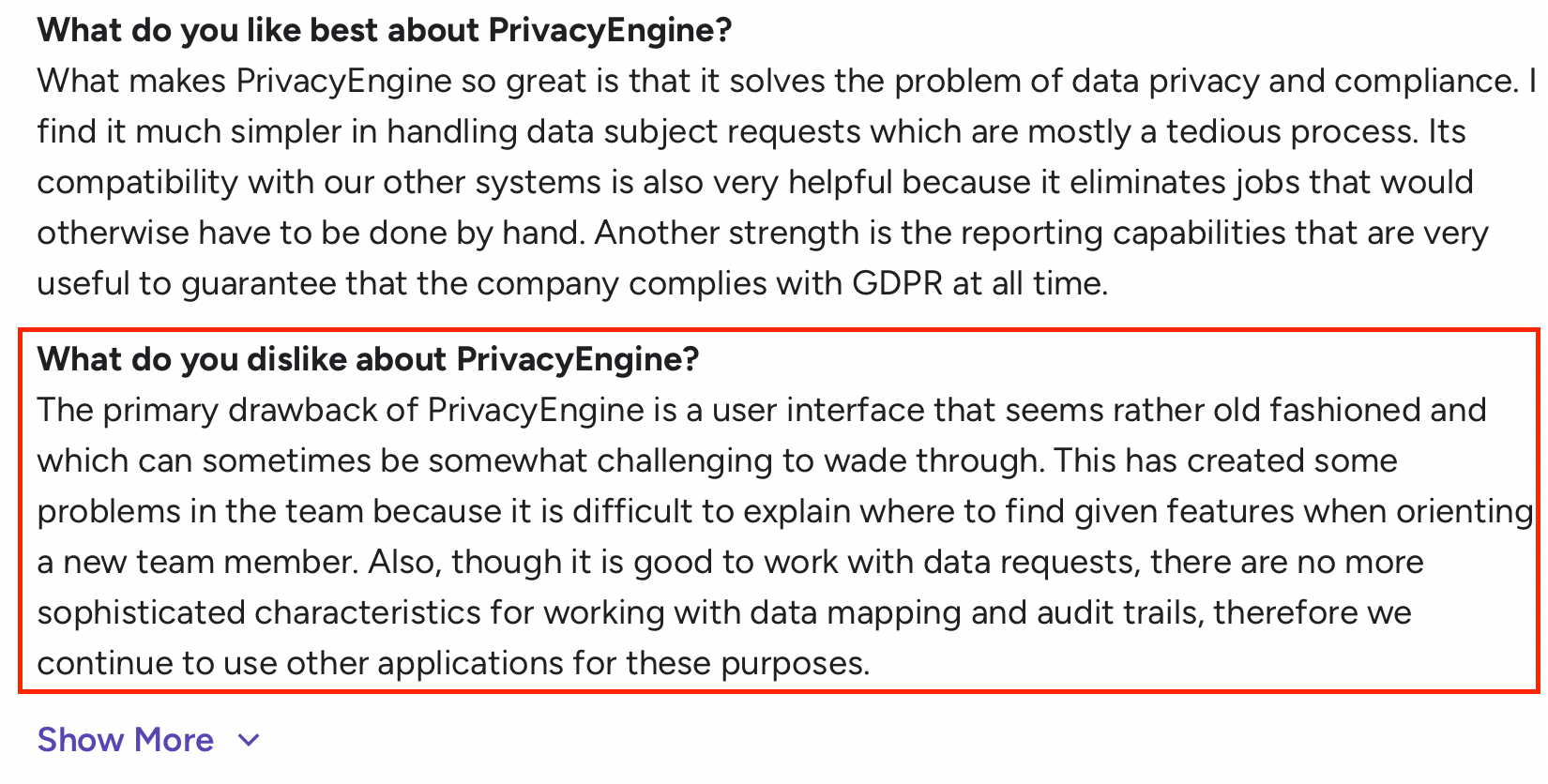
G2 review highlighting PrivacyEngineโ€™s outdated interface and limited advanced data mapping features.
This image shows the G2 review highlighting PrivacyEngineโ€™s outdated interface and limited advanced data mapping features.

Cons

  • Reporting and dashboard customization could be more flexible
    โ€
  • Advanced features may have a learning curve at first
    โ€
  • Some areas can feel slightly slow or dated compared to newer platforms

Which Data Privacy Management Platform Should You Choose?

If You Need... Best Platforms
If you need India-first DPDPA workflows
Redacto Privy Seqrite Consentin
If you need global multi-regulation governance
OneTrust TrustArc Securiti
If you need strong data discovery & intelligence
BigID Securiti
If you need security and privacy together
Seqrite IBM Guardium
If you need faster deployment and lower customization
Redacto Privy Consentin
If you need AI governance & AI risk visibility
Securiti BigID OneTrust
If you need vendor risk & DPIA workflows
Redacto TrustArc PrivacyEngine
If you need audit readiness & compliance reporting
OneTrust IBM Guardium TrustArc

โ€

Conclusion

DPDPA compliance is no longer just a legal or policy discussion.

Enterprises now need operational privacy infrastructure that can actually manage consent, vendor risk, DSARs, breach workflows, audit readiness, and governance across systems.

In this guide, you saw:

  • what enterprise data privacy management platforms actually do
    โ€
  • which features matter most for DPDPA compliance
    โ€
  • the difference between India-native and global privacy platforms
    โ€
  • which tools fit different enterprise use cases best

One thing becomes clear very quickly during evaluation: most privacy challenges are operational now, not theoretical.

That is why it is important to:

  • start with data discovery and consent workflows first
    โ€
  • test platforms against real DPDP use cases, not just demo environments
    โ€
  • evaluate deployment complexity and integration effort early
    โ€
  • involve legal, compliance, security, and engineering teams together during evaluation

If your enterprise is looking for a faster, India-first approach to DPDPA compliance with consent management, vendor risk, DPIA, DSAR, and governance workflows in one platform, Redacto is one of the strongest platforms to evaluate in 2026.


Frequently asked ย questions

AK
Product Designer
This is the most obvious creative techniques and endless whiteboard is just perfect for it. The basis of brainstorming is a generating ideas in a group situation based on the principle of suspending judgment โ€“ a principle which scientific research has proved to be highly productive in individual effort as well as group effort.

Contact Us

Thank you! Your submission has been received!
Oops! Something went wrong while submitting the form.

Your Trusted partner