Personalized Outbound Strategy
Get The Right Outbound Strategy In Minutes
Enter your email to get a custom plan & stack recommendation for your business
It's being carefully crafted by AI
Please check your mailbox in 5 minutes
%20Redacto%20logo_New.png)



Privacy Impact Assessments (PIA) are now a key part of DPDPA compliance for Indian companies.
But running them manually is slow and hard to scale.
Most teams still rely on spreadsheets, which makes risk assessment inconsistent and difficult to track.
This is why AI PIA tools are becoming important.
They help automate risk identification, standardize workflows, and generate audit-ready reports without manual effort.
In this guide, we compare the best AI-powered Privacy Impact Assessment tools for Indian companies based on automation, compliance coverage, and pricing, so you can choose the right one for your use case.
Covers basics, but limited AI automation depth.
If the goal is to automate DPIA and manage full DPDPA workflows in one place, platforms built specifically for Indian compliance tend to be easier to implement and scale.
A Privacy Impact Assessment (PIA), also called a DPIA, is a structured process used to identify and reduce privacy risks in how personal data is collected, processed, and stored.
Under India’s DPDPA, companies are expected to assess data risks before starting high-risk processing activities.
This includes handling sensitive personal data, large-scale data processing, or using new technologies.
A typical PIA includes:
Understanding what data is collected, where it comes from, and how it flows across systems
Identifying potential risks to user privacy, such as data leaks, misuse, or over-collection
Defining controls to reduce risks, like encryption, access controls, or data minimization
Creating audit-ready reports that show compliance and decision-making
In simple terms, a PIA helps companies answer:
“Is this data processing safe, necessary, and compliant?”
Most companies started with manual DPIA processes using spreadsheets and documents.
This works at a small scale, but breaks quickly as data grows.
Common problems include:
At the same time, regulatory expectations under DPDPA are increasing.
Companies need faster, repeatable, and audit-ready processes.
This is where AI-powered PIA tools are helping.
They improve DPIA workflows by:
AI helps identify and score risks based on data type and usage
Standardized PIA formats aligned with compliance requirements
Assign tasks, track approvals, and manage assessments across teams
Track changes in data processing and update risk assessments over time
As a result, teams can move from manual, one-time assessments to continuous compliance workflows.
To help you choose the right tool, we evaluated each platform based on factors that matter for Indian companies.
Whether the tool supports workflows and requirements relevant to Indian regulations
How effectively the platform automates risk detection, scoring, and reporting
Whether it also includes consent management, DSAR handling, and vendor risk management
Time required to set up, integrate, and start running assessments
Clarity of pricing and overall cost relative to features offered
These criteria focus on practical usability, not just feature lists, so you can compare tools based on real implementation needs.
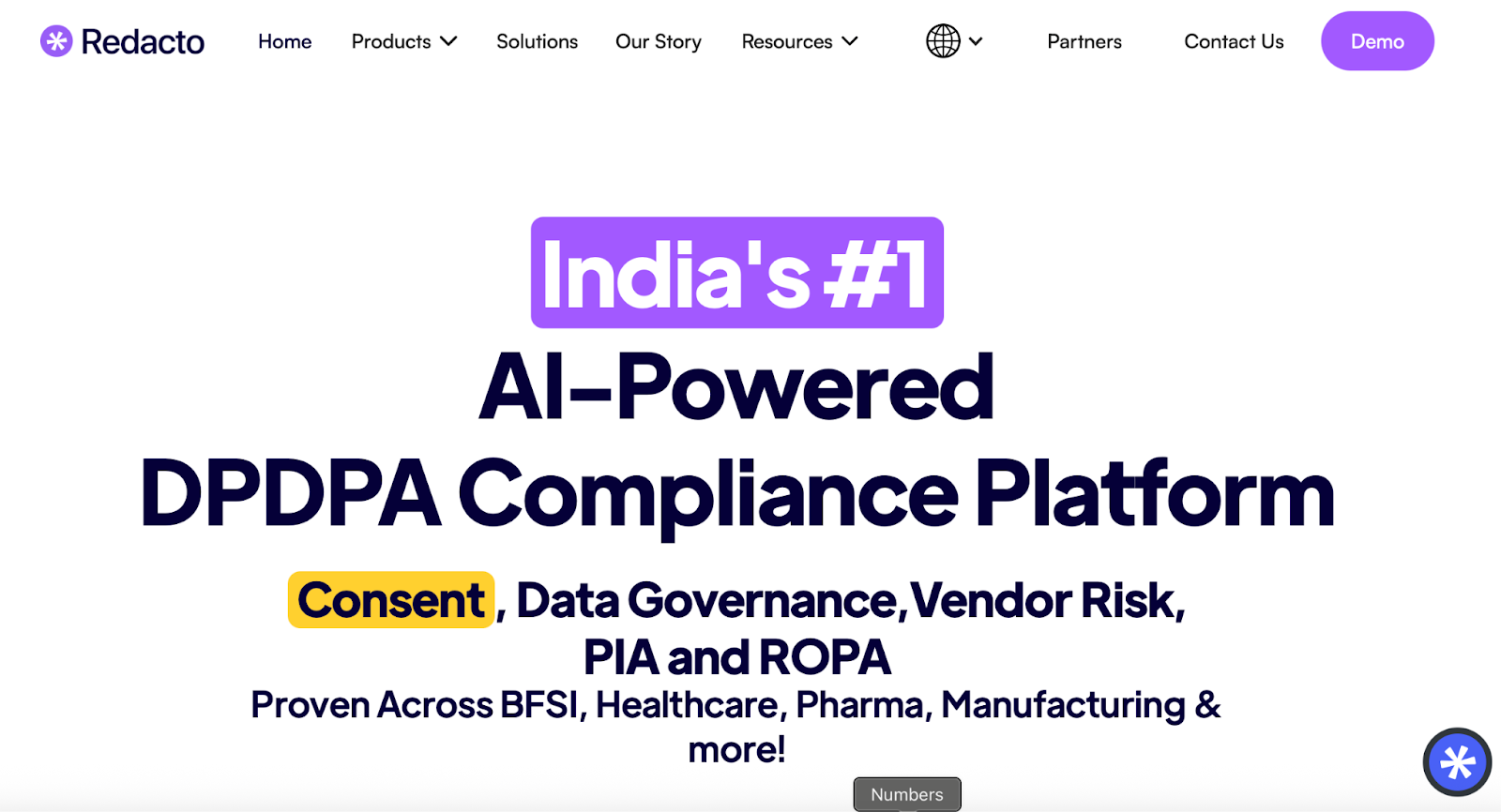
Redacto is an AI-powered privacy platform designed specifically for Indian companies working toward DPDPA compliance.
It focuses on automating Privacy Impact Assessments (PIA/DPIA) through structured workflows, pre-built templates, and risk scoring.
Instead of running assessments manually, teams can use guided flows that standardize how risks are identified, evaluated, and documented.
The platform also goes beyond DPIA.
It includes modules for consent management, vendor risk assessment, DSAR handling, and data governance.
This makes it useful for companies that want to manage multiple compliance workflows in one place instead of using separate tools.
Redacto is designed with Indian regulatory requirements in mind.
This includes workflows aligned with DPDPA expectations and support for cross-border data considerations.
Companies looking for an AI-driven platform to manage DPIA and broader DPDPA compliance in one system.
Enter your email to get a custom plan & stack recommendation for your business
Please check your mailbox in 5 minutes

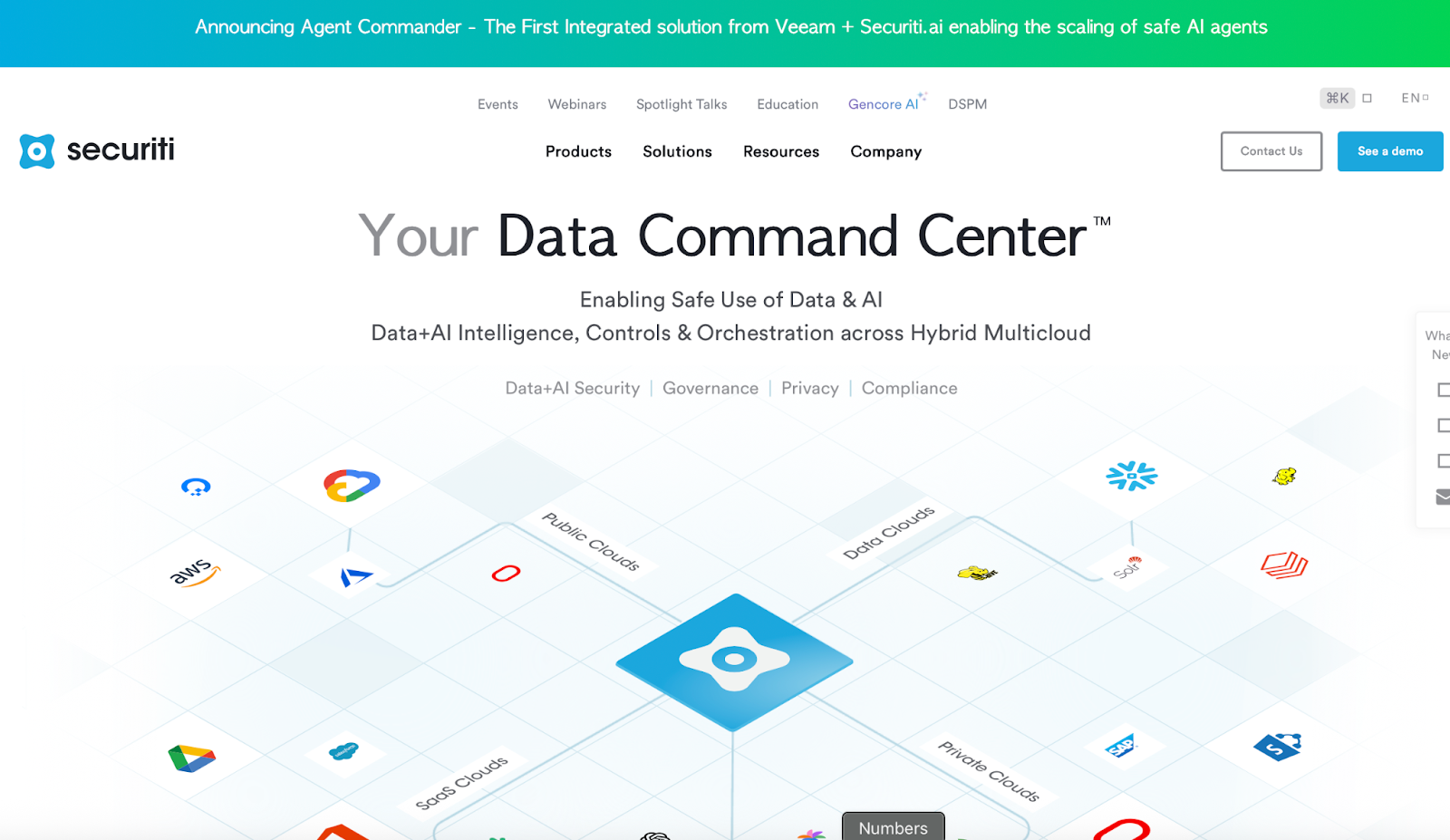
Securiti.ai is a global privacy platform that positions itself as an AI-driven data governance and compliance solution.
It offers advanced capabilities across data discovery, classification, and privacy risk management.
DPIA workflows are supported as part of a larger platform that focuses on managing data risk across multiple regulatory frameworks, including GDPR and other global standards.
The platform is designed for large enterprises that deal with high volumes of data across systems.
It uses AI to identify sensitive data, map data flows, and automate parts of compliance workflows.
While Securiti.ai provides strong automation capabilities, its workflows are more global in nature.
This means Indian companies may need to adapt certain processes to align fully with DPDPA requirements.
Large enterprises managing global data privacy and compliance requirements.
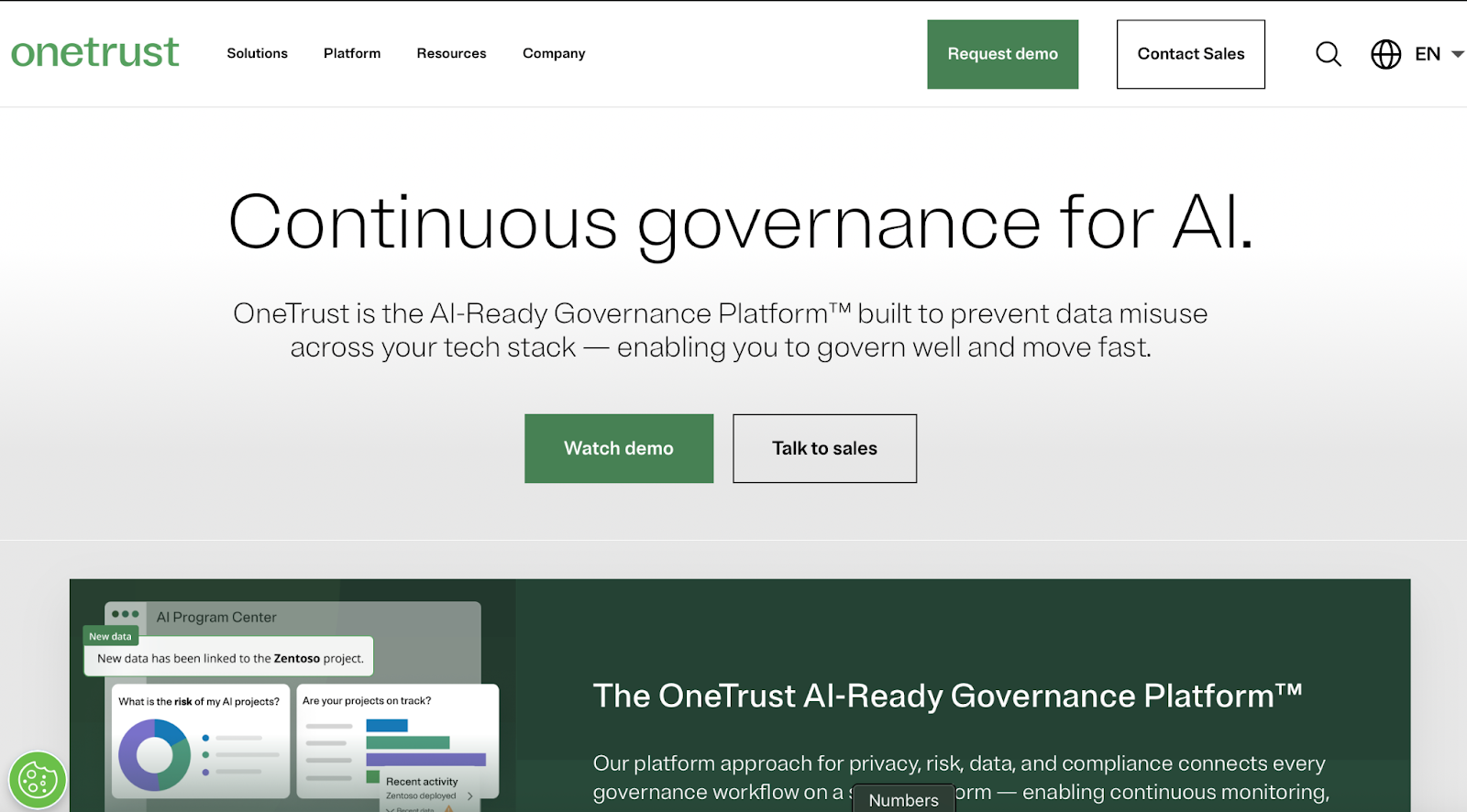
OneTrust is one of the most widely used privacy compliance platforms globally.
It offers structured DPIA workflows as part of a broader governance, risk, and compliance suite.
The platform provides tools for managing privacy programs, including data mapping, risk assessments, consent management, and third-party risk.
DPIA workflows are standardized and customizable, making it suitable for organizations that need formal governance structures.
OneTrust is commonly used by large enterprises and multinational companies.
Its strength lies in its mature ecosystem and ability to support multiple regulatory frameworks from a single platform.
However, the platform is primarily built around GDPR and global compliance needs.
Indian companies may need additional customization to fully align with DPDPA-specific workflows.
Enterprises looking for a global privacy governance platform with standardized DPIA processes.
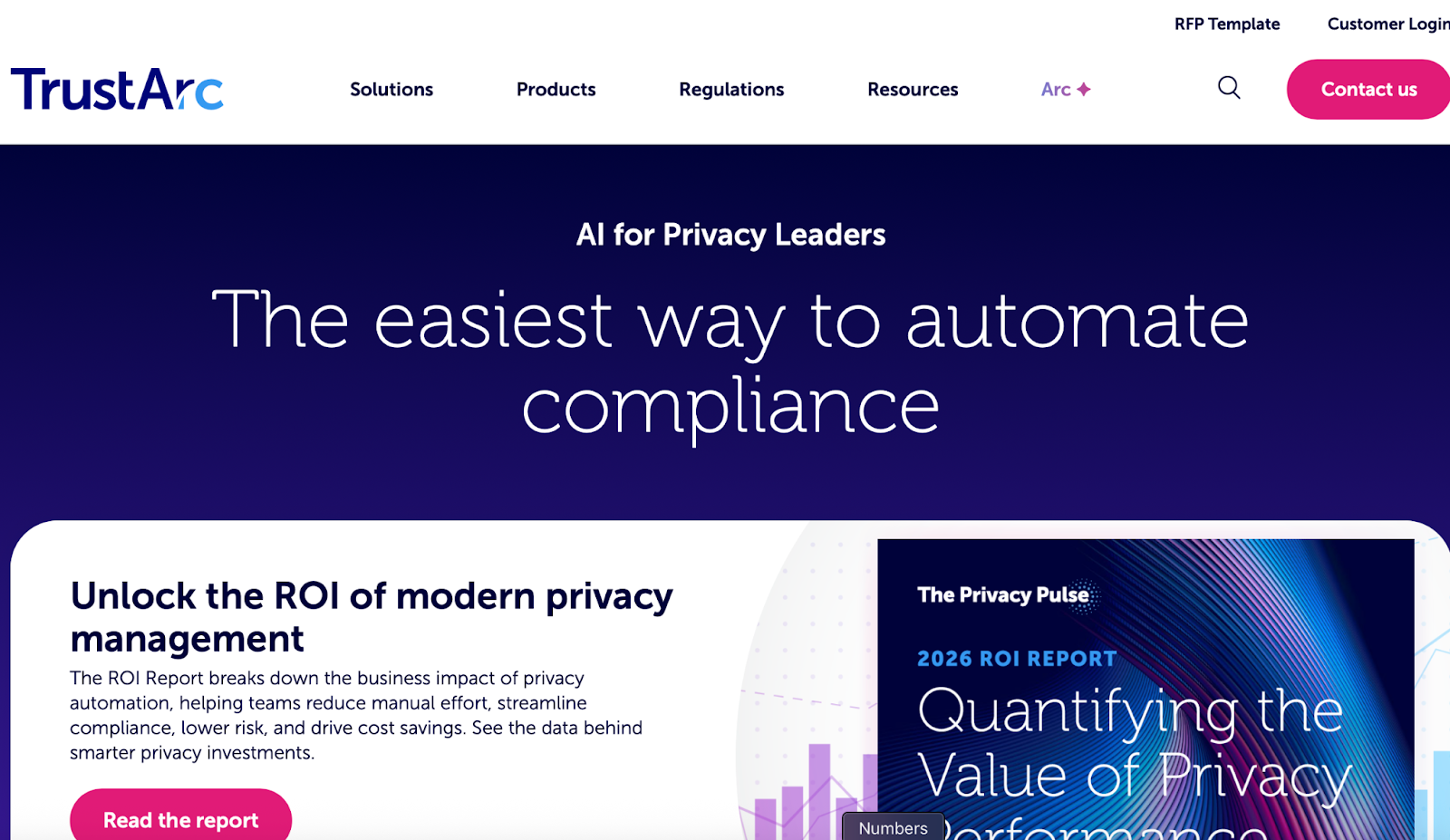
TrustArc is a long-established privacy compliance platform focused on governance and risk management.
It offers structured DPIA workflows along with tools for data mapping, assessments, and regulatory reporting.
The platform is designed to help organizations manage compliance programs through predefined frameworks and documentation processes.
TrustArc is often used by enterprises that need formalized compliance workflows and audit-ready documentation.
It provides a stable and well-defined structure for managing privacy risks.
However, compared to newer platforms, TrustArc places less emphasis on AI-driven automation.
Many workflows still rely on manual inputs and predefined templates rather than dynamic risk scoring or automation.
Typically enterprise-level (custom pricing)
Organizations that prefer structured, framework-driven compliance processes.
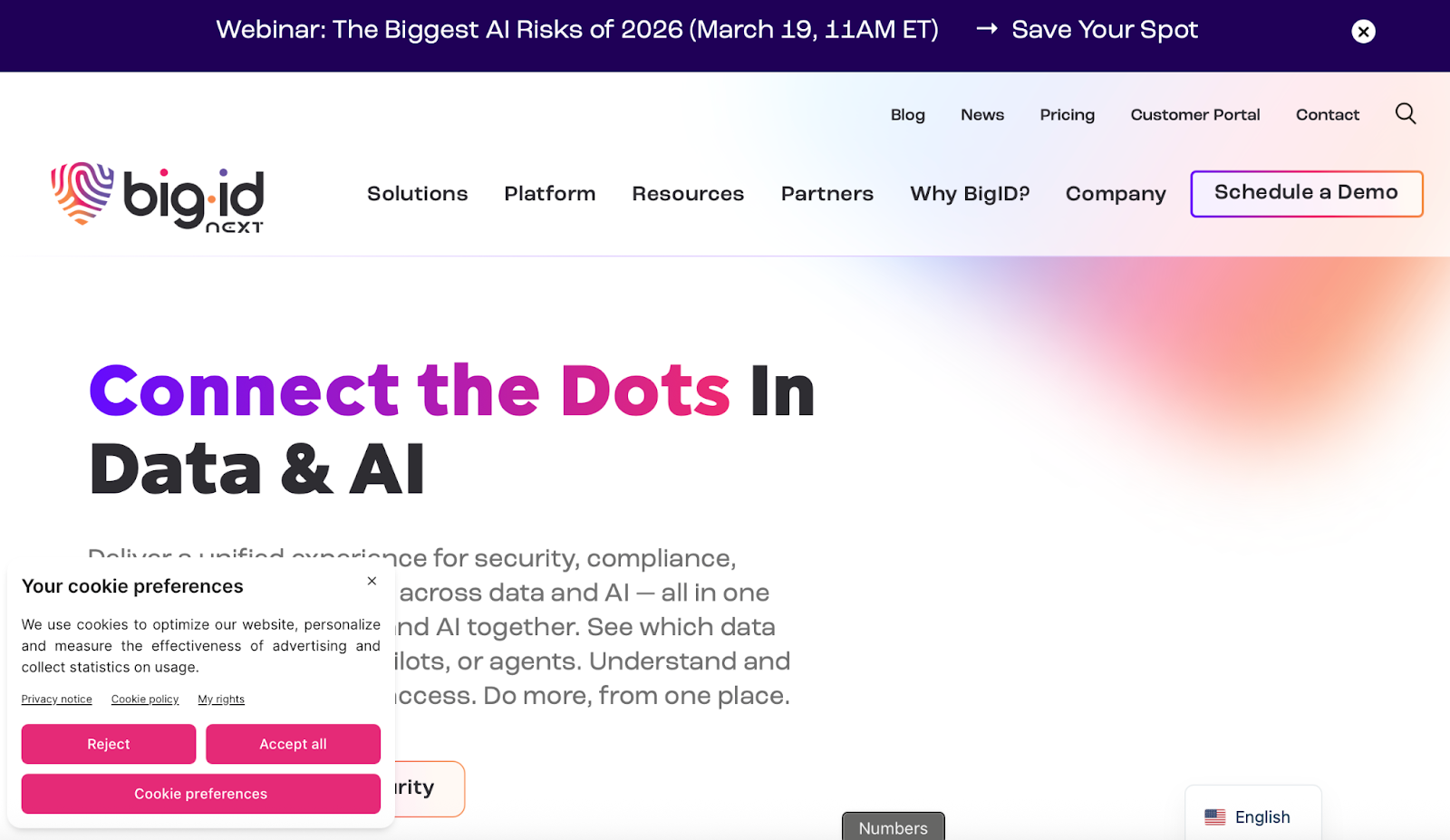
BigID is primarily known for its data discovery and classification capabilities.
It helps organizations understand where their data is stored, how it is used, and what risks are associated with it.
The platform supports DPIA workflows by providing visibility into sensitive data and enabling risk assessments based on data usage.
This makes it useful for companies that deal with large datasets and need detailed data intelligence.
BigID is often used in data-heavy environments where understanding data flow is the first step toward compliance.
However, it is not designed as a full privacy compliance platform.
Companies may need additional tools to manage consent, DSAR requests, and broader governance workflows.
Typically ₹1Cr+ annually
Organizations that need deep data visibility before implementing compliance workflows.
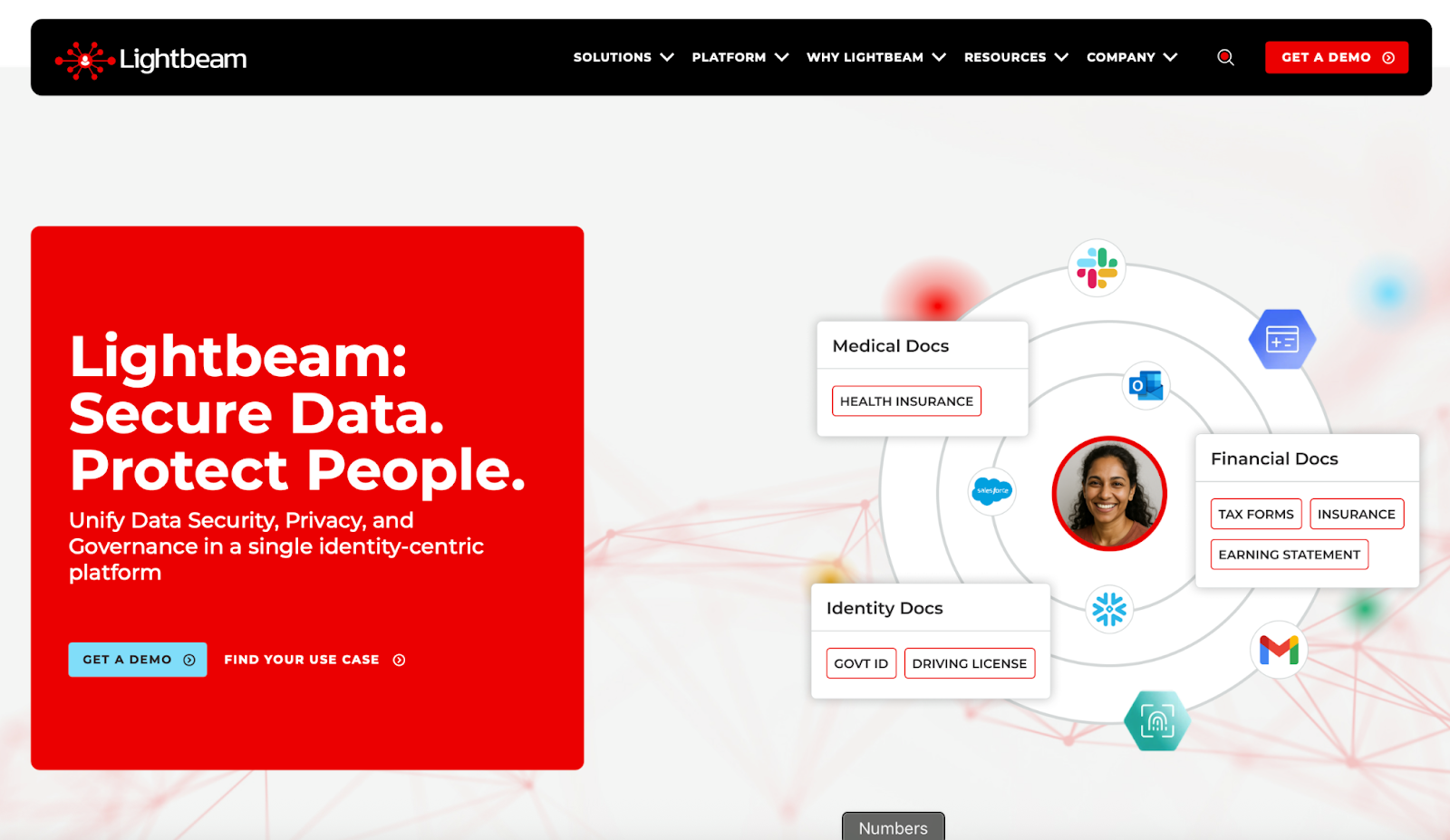
Lightbeam is a PrivacyOps platform focused on helping companies automate privacy workflows, including DPIA processes.
It provides tools for data mapping, risk assessments, and compliance tracking.
DPIA workflows are supported through structured templates and automation features, making it easier to manage assessments across teams.
Lightbeam is designed to simplify privacy operations by bringing multiple compliance tasks into a single system.
It focuses on usability and workflow automation rather than deep data intelligence.
While it covers a wide range of compliance features, its alignment with Indian regulations may not be as strong as platforms built specifically for DPDPA.
Companies looking for a general-purpose privacy operations platform.
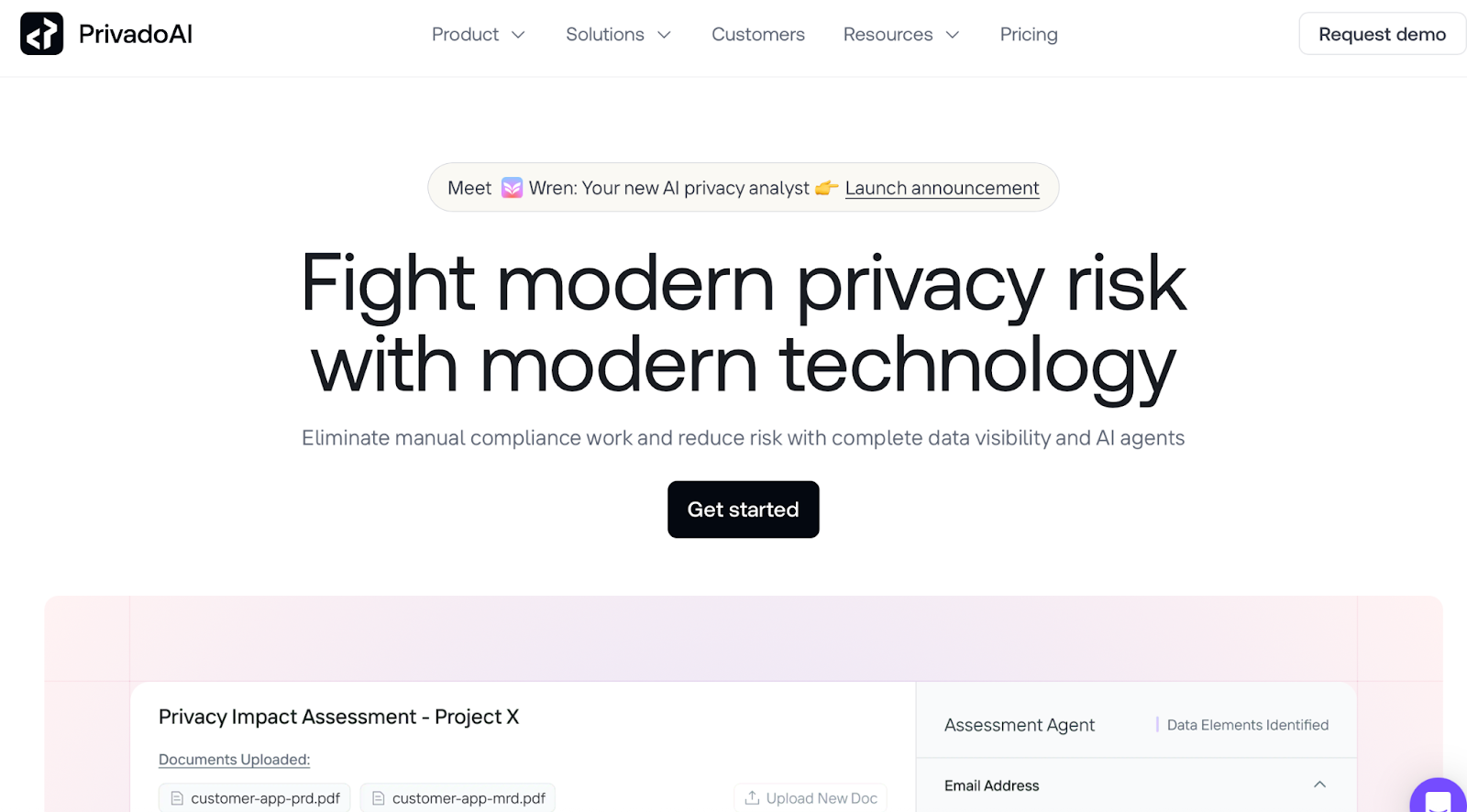
Privado is a privacy tool designed primarily for engineering and development teams.
It focuses on analyzing how personal data is handled within applications and codebases.
The platform provides visibility into data flows at the code level, helping teams identify privacy risks early in the development process.
It also supports basic DPIA workflows by linking data usage to risk assessments.
Privado is useful for companies that want to integrate privacy into their development lifecycle.
However, it is not designed as a full governance platform.
It does not cover broader compliance areas such as consent management, DSAR handling, or vendor risk in depth.
Engineering teams focused on privacy in product development.
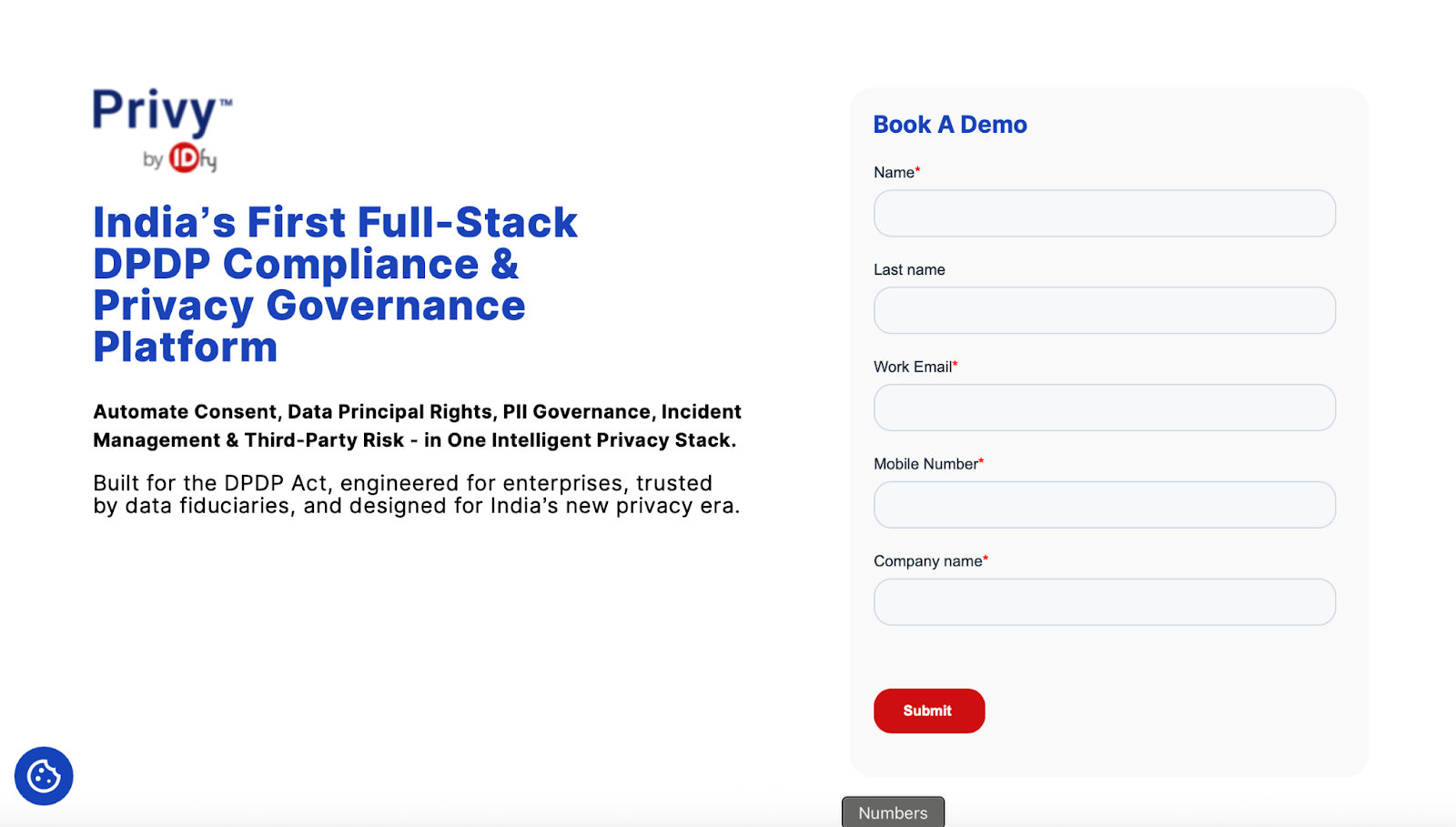
IDfy’s Privy platform is designed for Indian companies looking to manage privacy compliance, including DPIA workflows.
It offers features across consent management, risk assessments, and data governance.
The platform is aligned with Indian regulatory requirements, making it easier to implement DPDPA-related workflows.
Privy is often used by enterprises that require structured compliance processes along with identity verification and risk management capabilities.
While it provides strong regulatory alignment, the platform is more enterprise-focused.
This can make it heavier to implement for smaller teams.
Indian enterprises seeking a compliance platform aligned with local regulations.
Consentin focuses on consent management and basic compliance workflows.
It provides tools for managing user consent, tracking data usage, and supporting compliance processes.
DPIA capabilities are included but are not the primary focus of the platform.
Consentin is positioned as a more affordable option compared to enterprise tools.
It is suitable for companies that need basic compliance coverage without heavy automation.
However, its AI capabilities for DPIA are limited compared to more advanced platforms.
Companies looking for a cost-effective entry into compliance tools.
Datasafeguard is a mid-market privacy platform that offers a balanced set of compliance features, including DPIA workflows.
It supports data mapping, risk assessments, and governance processes, making it suitable for companies that need structured compliance without enterprise-level complexity.
The platform aims to provide a practical approach to privacy management by combining essential features in one system.
However, its AI capabilities may not be as advanced as newer AI-first platforms.
Mid-sized companies looking for a practical compliance solution.
Privasapien focuses on privacy governance and compliance management.
It provides structured workflows for DPIA, data mapping, and risk assessments.
The platform is designed to help organizations manage compliance through standardized processes and documentation.
Privasapien is suitable for companies that need a governance-focused approach to privacy, with clear workflows and reporting.
However, like many traditional platforms, it relies more on structured processes than deep AI automation.
Organizations focused on structured privacy governance.
PrivEzi is an Indian privacy compliance tool with a focus on regulated industries such as BFSI.
It provides features for managing compliance workflows, including DPIA, data governance, and risk assessments.
The platform is designed to meet industry-specific requirements.
PrivEzi is often used by organizations that need compliance solutions tailored to specific sectors.
However, its broader AI capabilities and automation depth may be limited compared to newer platforms.
Organizations in regulated industries with specific compliance needs.
Enter your email to get a custom plan & stack recommendation for your business
Please check your mailbox in 5 minutes
Choosing the right AI-powered PIA tool depends on your company’s compliance needs and how you plan to scale DPDPA workflows.
Manual DPIA processes are difficult to manage over time and often lead to gaps in risk assessment and documentation.
AI-powered tools help standardize assessments, reduce manual effort, and make compliance easier to maintain.
Different tools solve different parts of the problem.
Some focus on global governance, some on data discovery, and others on specific workflows like consent or engineering visibility.
But platforms that combine PIA with broader compliance workflows can reduce complexity and help teams manage everything in one place.
If you’re evaluating tools, it helps to see how they work in real scenarios before making a decision.
👉 See how Redacto handles PIA and full DPDPA workflows in one system, book a 20-minute demo


.jpg)