Personalized Outbound Strategy
Get The Right Outbound Strategy In Minutes
Enter your email to get a custom plan & stack recommendation for your business
It's being carefully crafted by AI
Please check your mailbox in 5 minutes
%20Redacto%20logo_New.png)



Many organizations preparing for DPDPA compliance in India start by looking at platforms like OneTrust.
It is one of the most well-known privacy governance tools used globally.
But once teams begin evaluating it, a few practical questions usually come up.
Is OneTrust the right fit for DPDPA workflows?
Is the pricing justified for Indian deployments?
Are there platforms designed more specifically for India’s compliance needs?
That is why we created this guide.
In this article, we compare the top OneTrust alternatives for DPDPA compliance in India.
We break down their features, pricing, and ideal use cases, so you can understand which platform fits your organization best.
If you are a CISO, CTO, privacy officer, or compliance team preparing for DPDPA, this guide will help you quickly evaluate the most relevant tools available in 2026 and choose the right platform with confidence.
Why this matters in 2026: India notified the DPDP Rules, 2025 in November 2025, which moved the DPDP Act into operational rollout.
Some rules took effect immediately, while other provisions have phased implementation timelines.
Disclaimer: Information in this guide is based on vendor documentation and public sources and may not reflect the latest product updates or custom enterprise pricing.
OneTrust is a privacy and data governance platform used by many large companies.
It helps organizations manage privacy programs and meet regulatory requirements.
The platform provides tools for several key compliance tasks.
Organizations can identify where personal data exists across systems and track how it is used.
Because of these features, it is widely used for global regulations like GDPR and CCPA.
However, many companies evaluating DPDPA compliance start looking at alternatives.
What Happens If You Don't Comply with DPDPA Requirements
Because of this, many organizations explore other platforms that offer simpler deployments, clearer pricing, or tools designed specifically for DPDPA compliance.
In the next section, we will look at some of the most notable alternatives available today.
We compared these tools based on:
This article is intended to help readers compare platform fit, not replace legal advice.
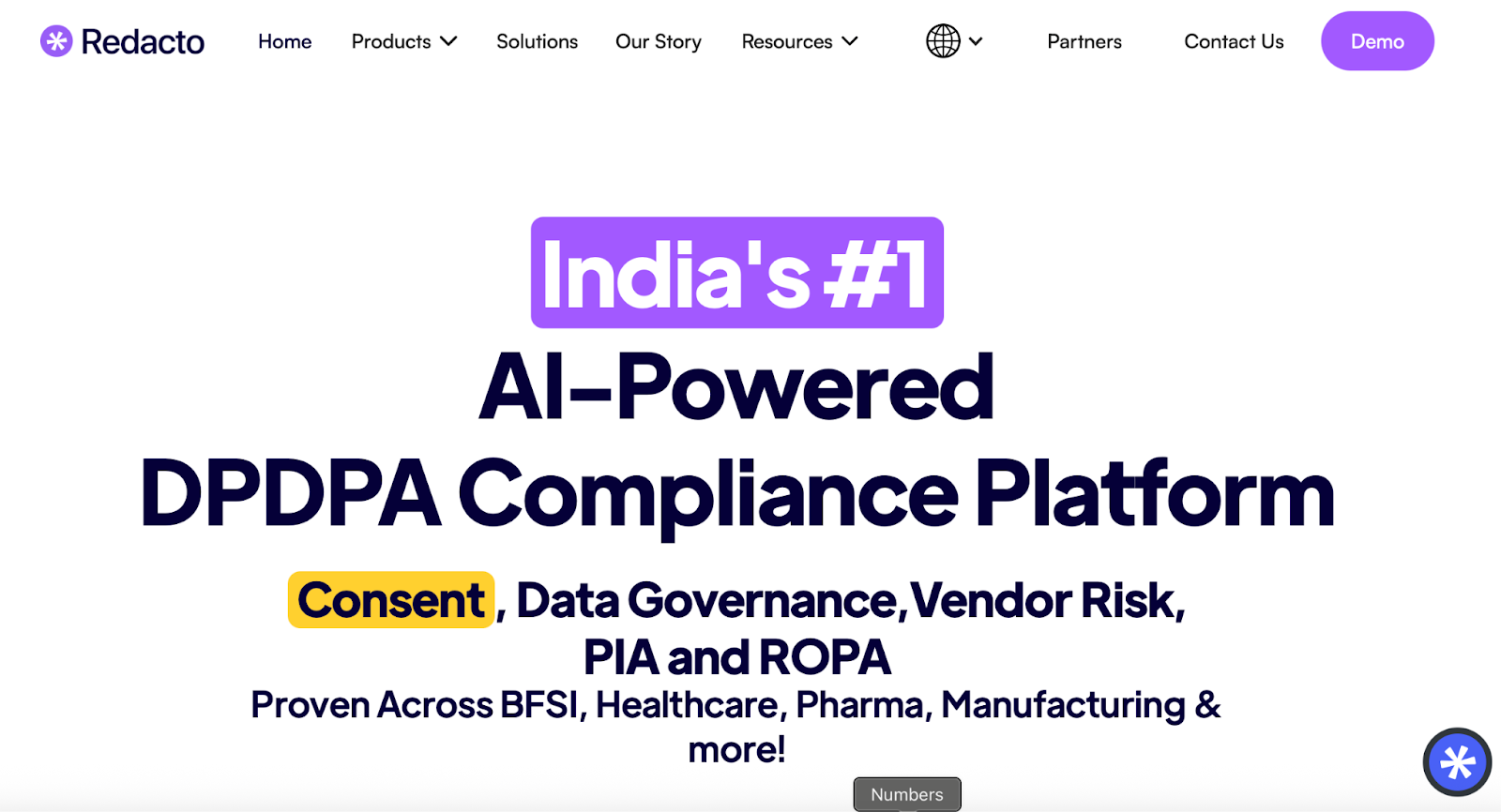
Redacto is an AI privacy and compliance platform built with DPDPA workflows in mind.
Instead of using multiple tools for consent, governance, and vendor risk, Redacto brings everything into a single privacy management platform.
Organizations can manage consent collection, data governance, privacy impact assessments, and vendor risk workflows from one dashboard.
The platform also uses AI-assisted automation to reduce manual compliance work.
This approach helps teams move faster when preparing for DPDPA enforcement, especially when privacy programs need to scale across multiple systems.
Redacto focuses heavily on DPDPA-specific compliance workflows.
The platform supports 7000+ consent integrations, which helps organizations connect their existing systems quickly.
It is also ranked among the top consent platforms in the MeitY consent framework, making it particularly relevant for Indian privacy programs.
Because automation is built into many workflows, teams can complete tasks like vendor risk assessments and DPIA reviews much faster than traditional manual processes.
Approx ₹35L+ annually, depending on deployment and scale.
Indian enterprises preparing for DPDPA compliance rollout.
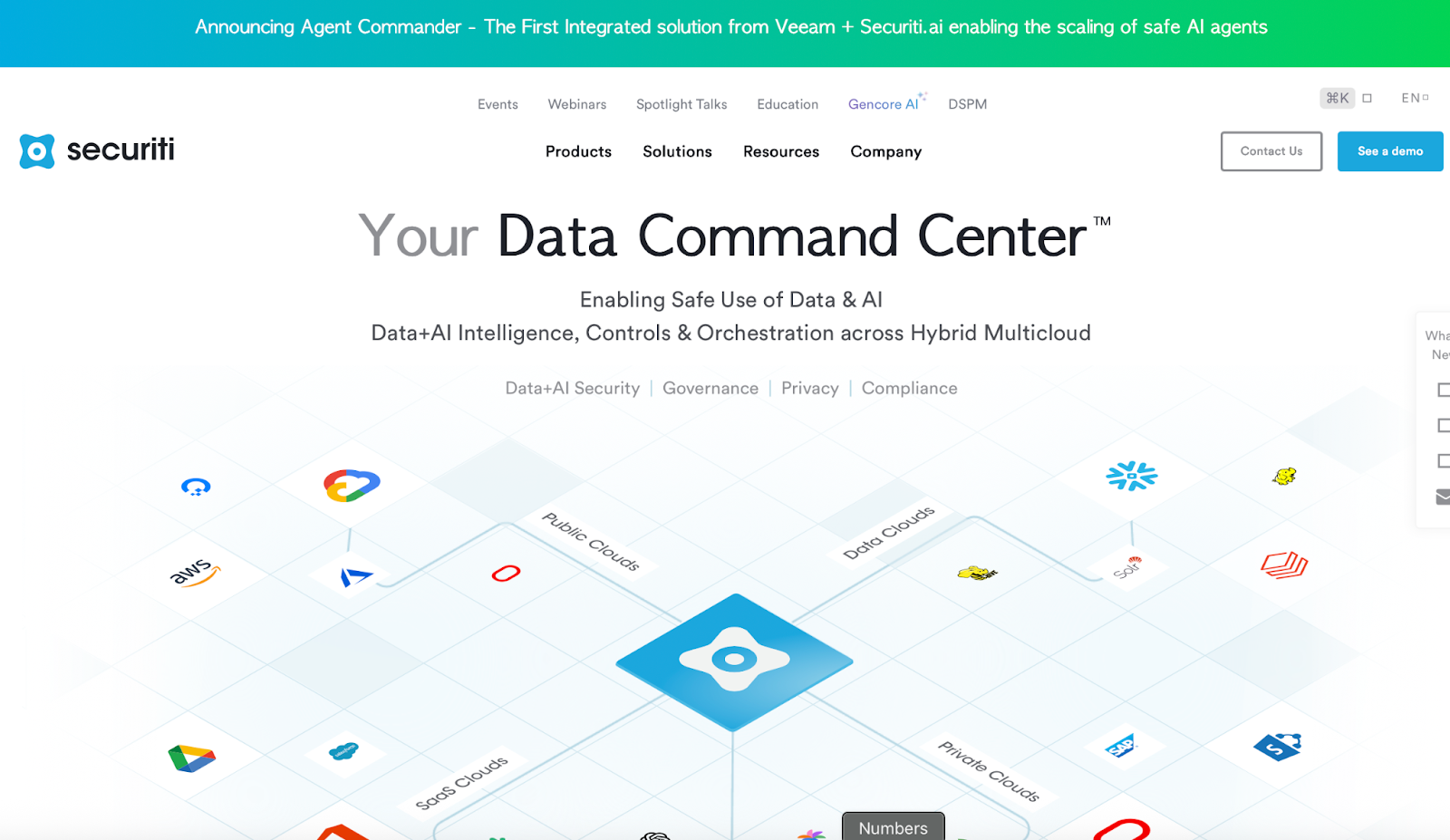
Securiti is a data privacy and governance platform designed for large enterprises that manage multiple regulations across different regions.
The platform helps organizations automate privacy compliance tasks, manage data governance programs, and monitor how personal data moves across systems.
Many companies use Securiti when they need to manage regulations like GDPR, CCPA, and other global privacy lawsin one place.
Approx ₹75L+ annually depending on scale and modules.
Large enterprises managing multiple global privacy regulations.
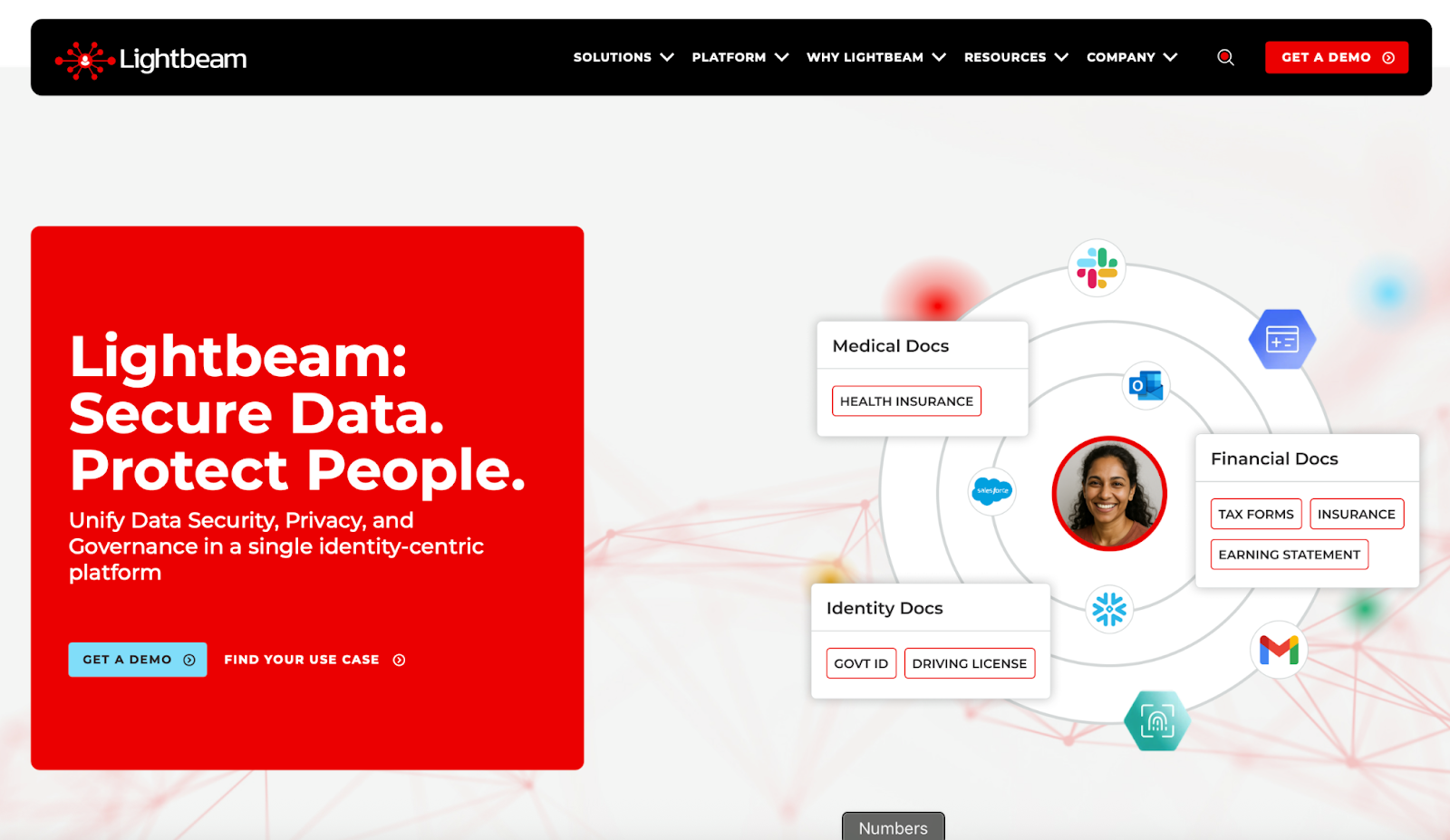
Lightbeam focuses heavily on data discovery and real-time data mapping, helping organizations understand where sensitive data exists across systems.
For companies that struggle with identifying personal data across cloud platforms, internal systems, and third-party applications, Lightbeam provides tools to visualize and monitor these data flows.
This capability is useful for organizations building data governance and compliance programs.
Approx ₹50L+ annually.
Organizations prioritizing data discovery and privacy monitoring.
BigID is designed for companies that manage very large data environments across cloud, SaaS, and enterprise infrastructure.
The platform focuses heavily on data discovery, classification, and governance, helping organizations understand where sensitive data lives and how it is used.
This makes it particularly useful for companies handling large volumes of customer or operational data.
Approx ₹1Cr+ annually depending on deployment.
Large enterprises are managing massive and complex data ecosystems.
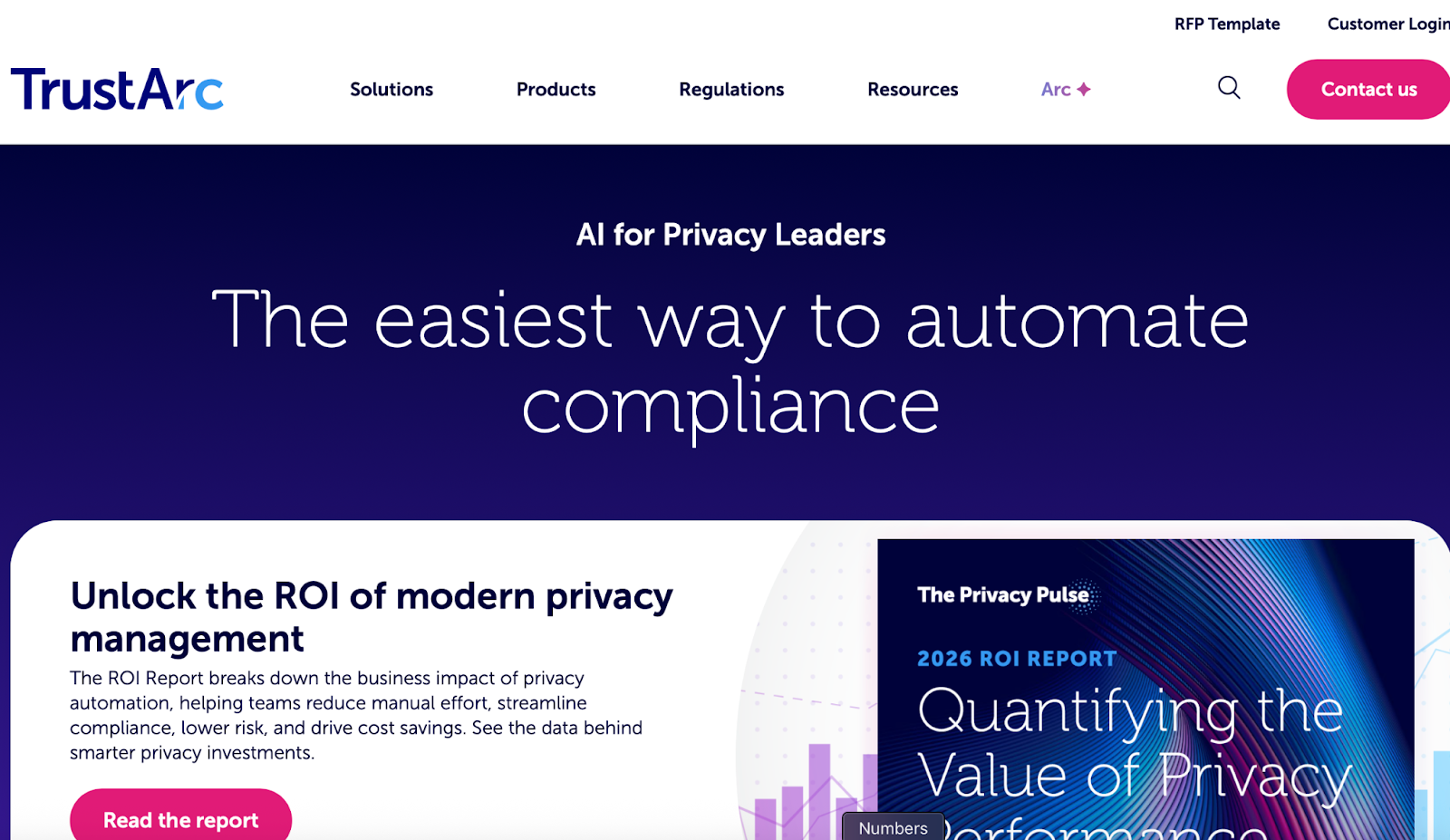
TrustArc is one of the older privacy management platforms used by organizations running mature privacy governance programs.
The platform provides tools for consent management, privacy assessments, vendor risk management, and compliance reporting.
Companies that already have dedicated privacy teams often use TrustArc to structure and manage their governance frameworks.
Approx ₹75L+ annually.
Organizations with established privacy governance programs.
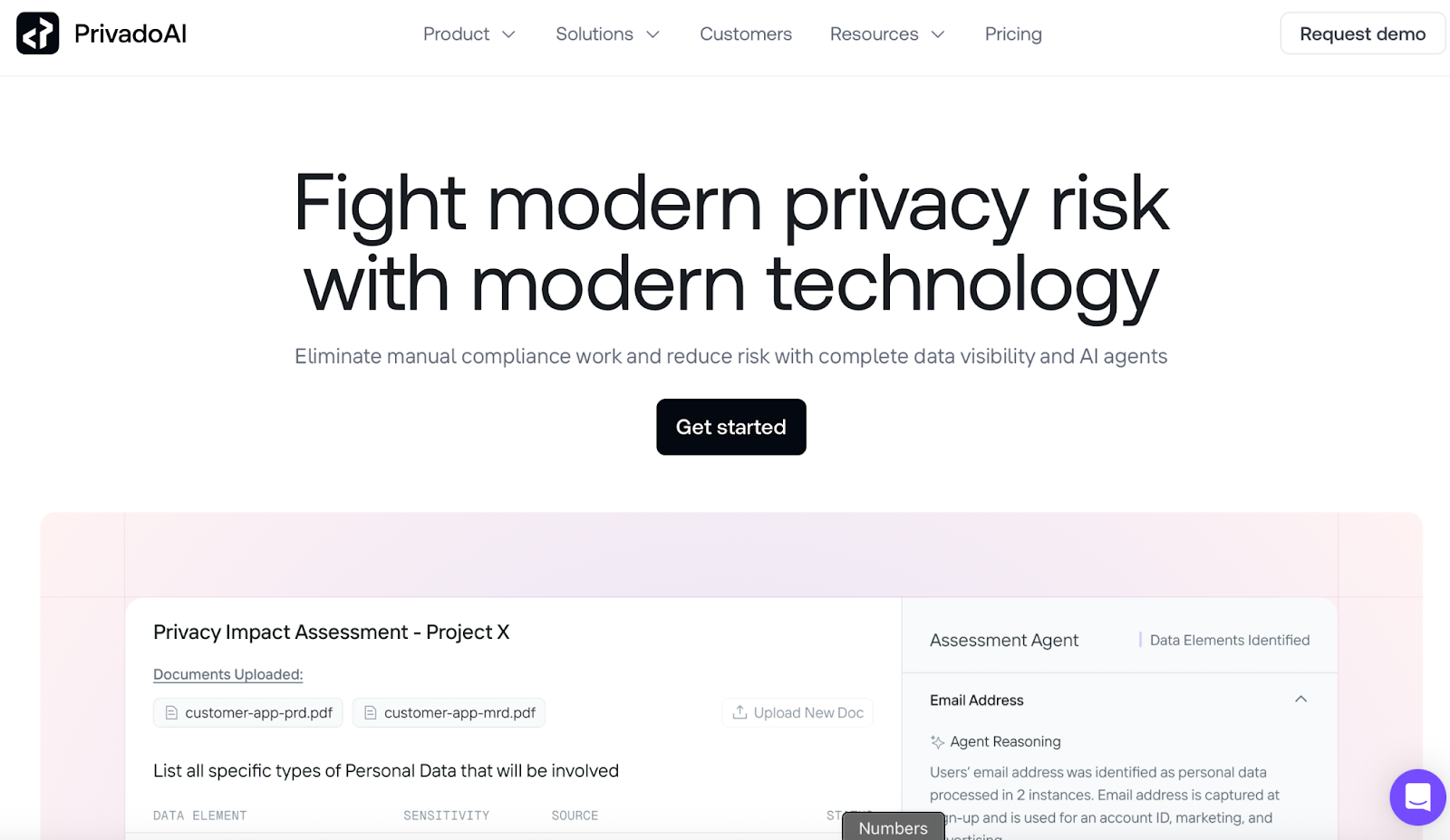
Privado focuses on helping engineering teams understand how personal data flows through applications and codebases.
Instead of relying only on manual data mapping, the platform scans code repositories to identify where personal data is collected and processed.
This makes it particularly useful for technology companies and SaaS platforms building privacy-aware products.
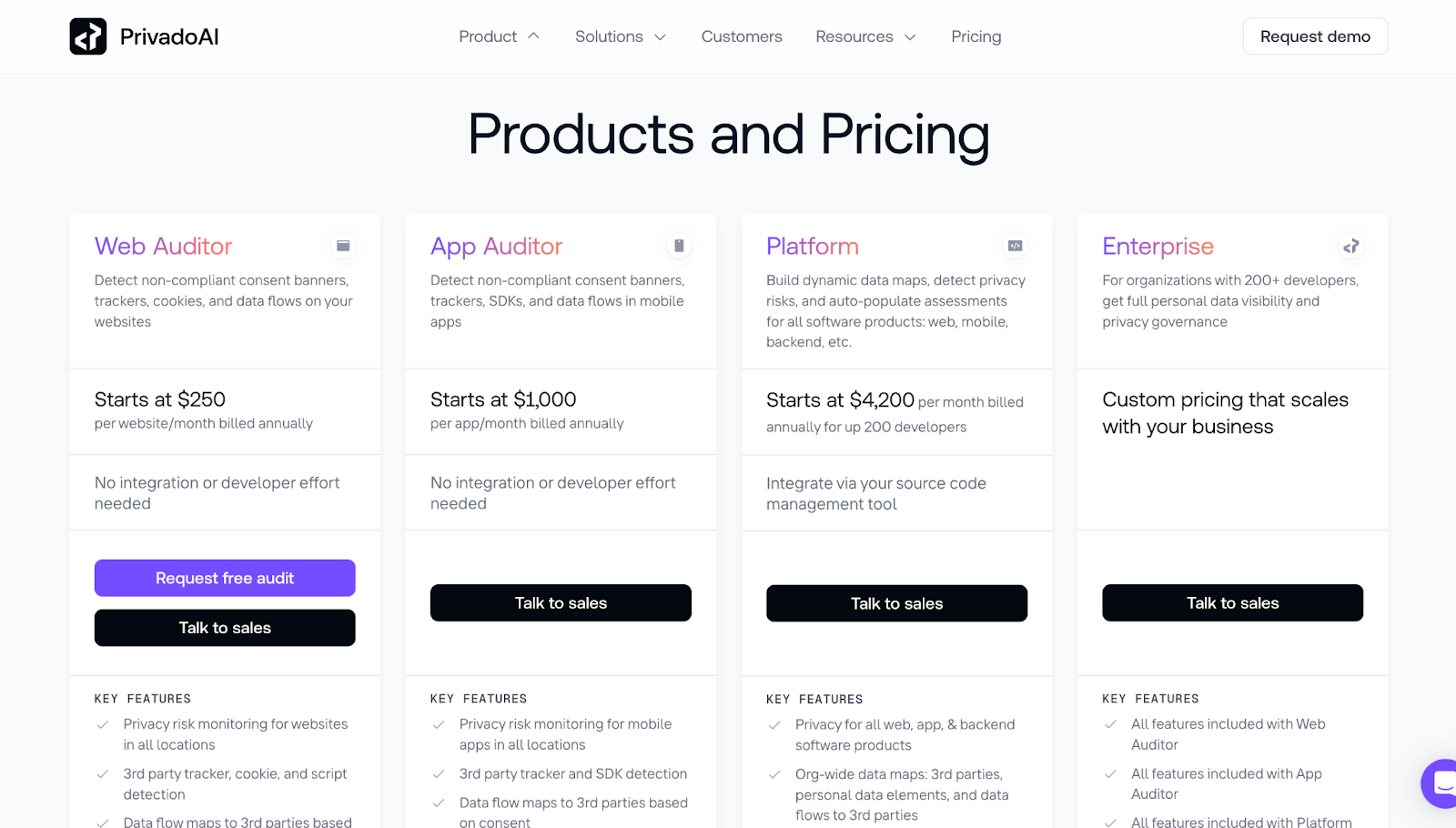
Custom pricing for core enterprise privacy products.
Privado does show public pricing for some auditing modules, such as website auditing starting at $250 per website/month billed annually, but enterprise platform pricing is generally quote-based.
Approx ₹40L+ annually.
Engineering teams building privacy-first software products.
The right choice depends on what your organization actually needs from a privacy platform.
If you need a broad enterprise platform for privacy, governance, consent, and risk workflows, OneTrust is still one of the most established global options.
It is not just a GDPR-focused tool.
It positions itself as a broader governance platform covering privacy, consent, data, risk, and AI governance.
If your priority is India-specific DPDP compliance, it makes sense to look at platforms that explicitly position themselves around DPDPA workflows such as consent management, rights handling, PII governance, incident management, and third-party risk.
For example, IDfy’s Privy is positioned as a DPDP compliance and privacy governance platform for Indian businesses.
If your focus is on data discovery, mapping, and data visibility across systems, then tools built around discovery-led privacy operations may be more suitable than governance-heavy platforms.
If your company is engineering-led and wants code-level visibility into how personal data moves through applications, then a developer-focused tool like Privado is usually the stronger fit.
In the end, the best OneTrust alternative depends on whether your main need is enterprise governance, India-specific DPDP readiness, data discovery, or engineering-level privacy visibility.
Enter your email to get a custom plan & stack recommendation for your business
Please check your mailbox in 5 minutes

In this article, we looked at the top OneTrust alternatives for DPDPA compliance in India and compared their features, pricing, and best use cases.
OneTrust remains a strong privacy and governance platform, especially for organizations running broader global compliance programs.
However, its scope, deployment complexity, and enterprise orientation may not suit every company evaluating tools mainly for DPDPA readiness in India.
That is why many organizations explore other options before choosing a tool.
Some platforms are stronger in enterprise governance, some in data discovery and mapping, and some position themselves more directly around DPDPA-related compliance workflows in India.
The right OneTrust alternative depends on whether you need enterprise-wide governance, stronger data discovery, engineering-level visibility, or India-specific DPDPA workflows.
Teams evaluating tools in 2026 should compare platforms based on actual implementation needs, not just feature lists.
The DPDP Rules, 2025 have made this evaluation more practical and time-sensitive for Indian organizations.
If you want to see how it works, you can explore Redacto and book a demo to understand the platform better.